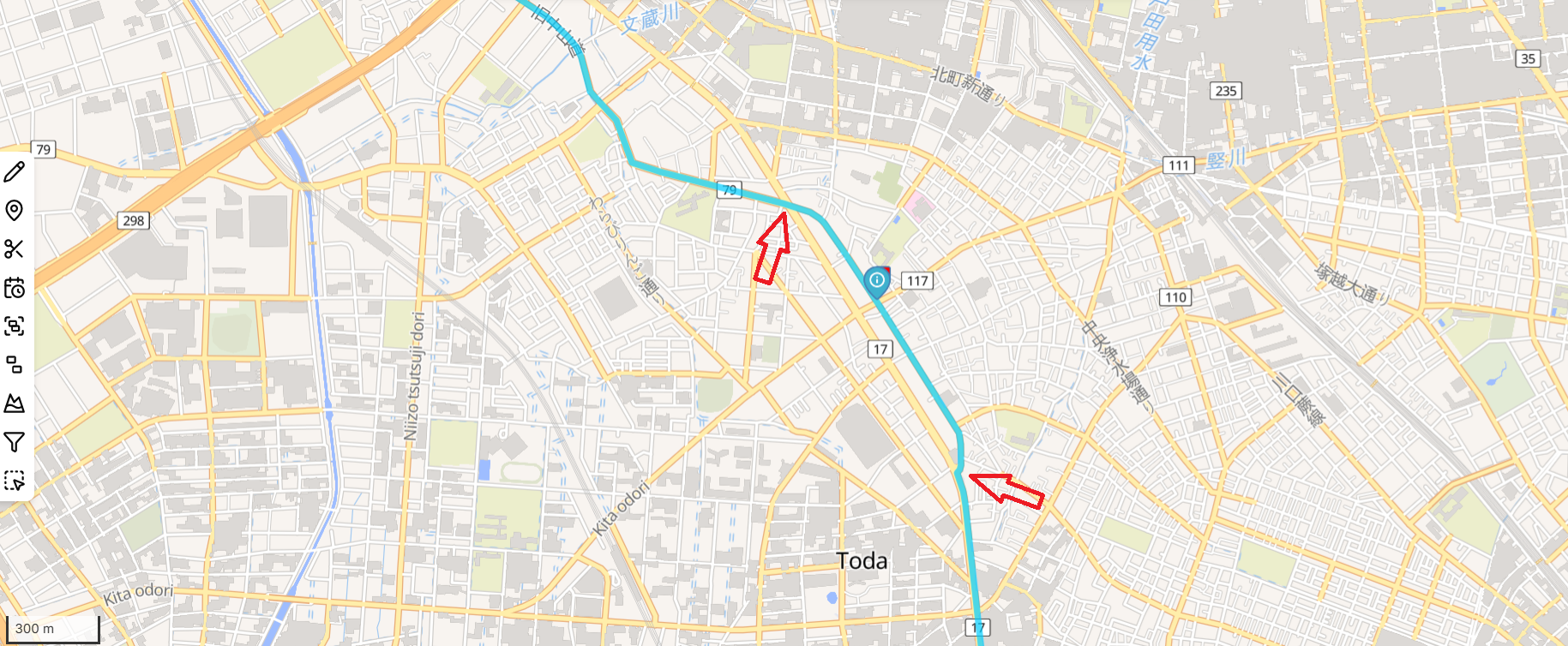
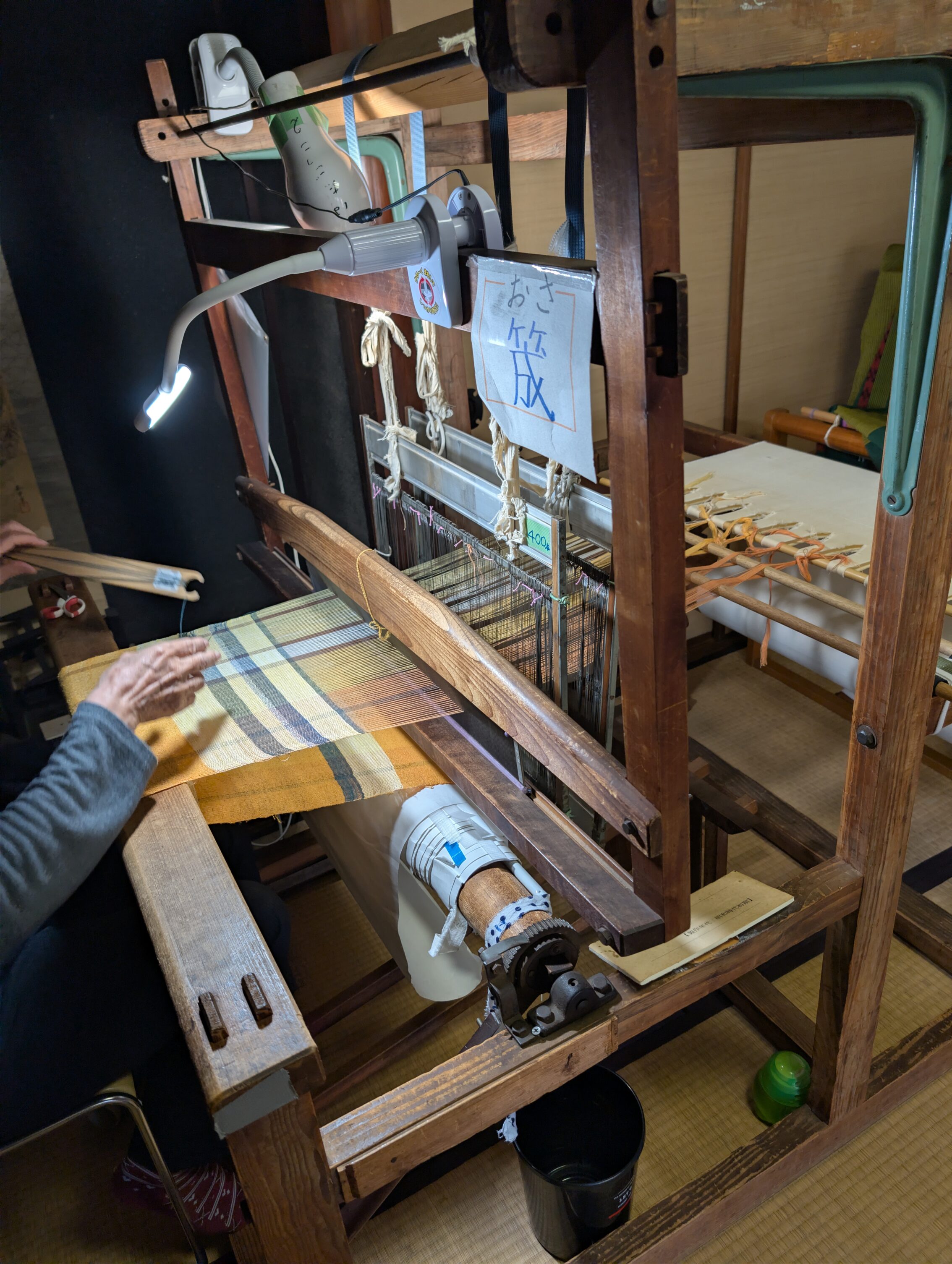
Warabi-shuku, the second post station from Tokyo, was famous for its weaving industry during the Edo period. There were several textile factories, store houses filled with cloth, cotton and threads, merchant houses selling their products, and a contingent of people, mostly women, working the looms. Because of all the flammable cloth, in addition to the wooden buildings, the people of the post town were extra careful about fires, and let build a system of moats and canals that separated every ten houses in the town. They also built a series of drawbridges that doubled as defensive measures, but also, according to legend, to stop the women working there from escaping. There is still a drawbridge left, or at least a facsimile of one in a modern wall on the street just north of the northernmost part of the post town. It is called the Tokumaru Family drawbridge (徳丸家の跳ね橋跡).
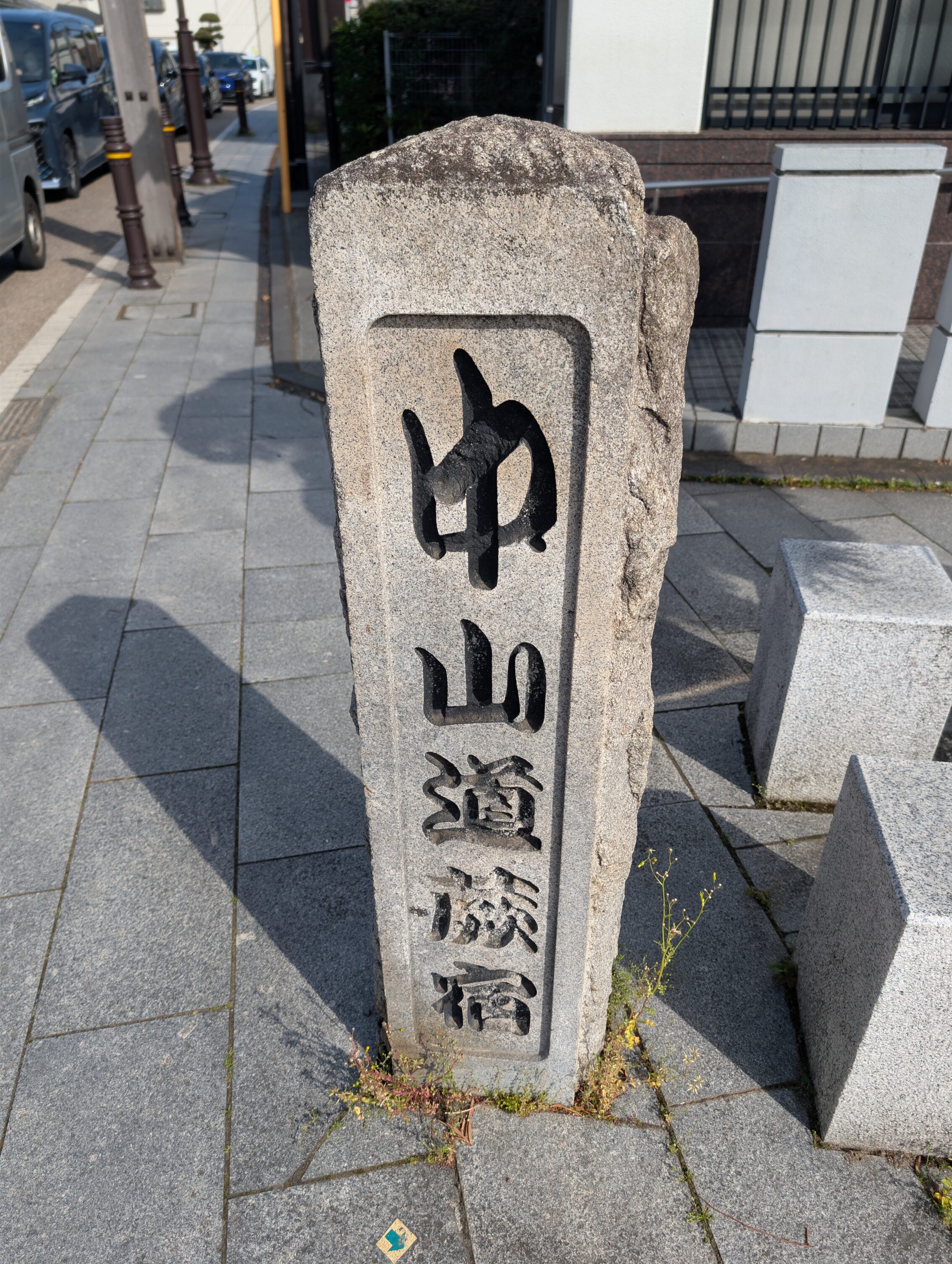
At both the north end and south end of the shukuba there are large difficult-to-miss stone stone markers indicating where the old post town begins and ends.
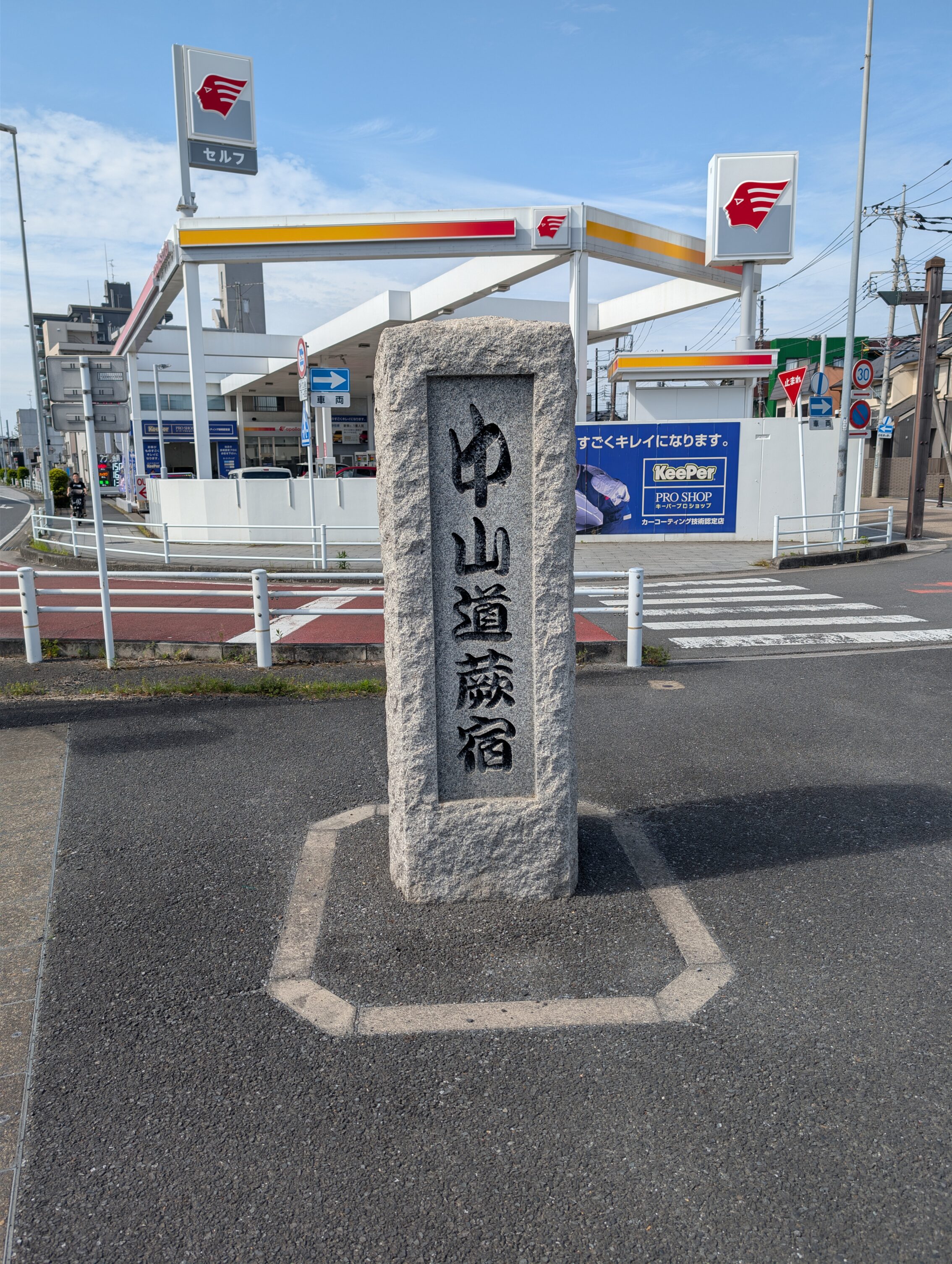
Between these two stone markers there is a wealth of things to see and do relating to Warabi-shuku, even though most of the old buildings have been replaced with modern ones.
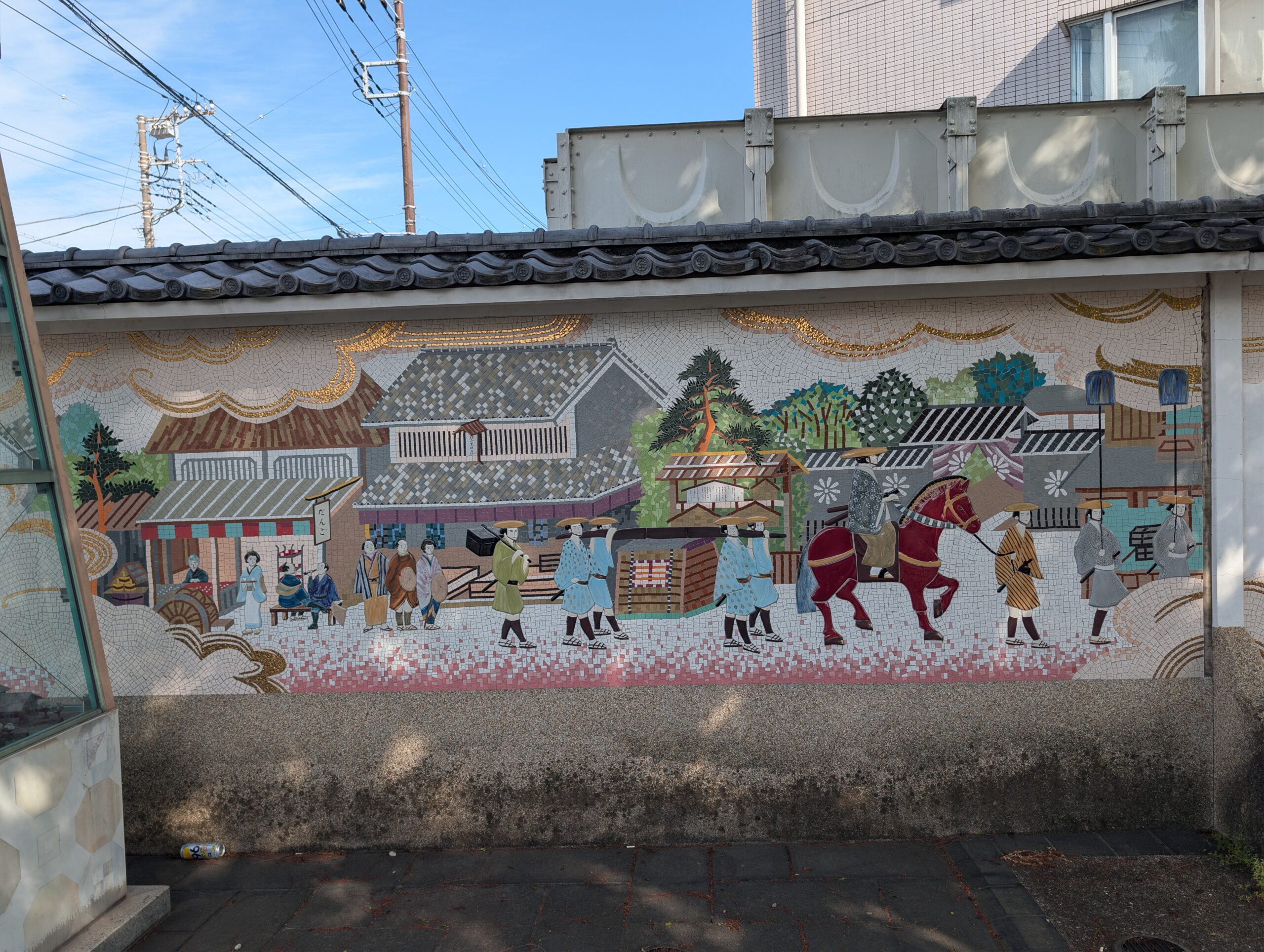
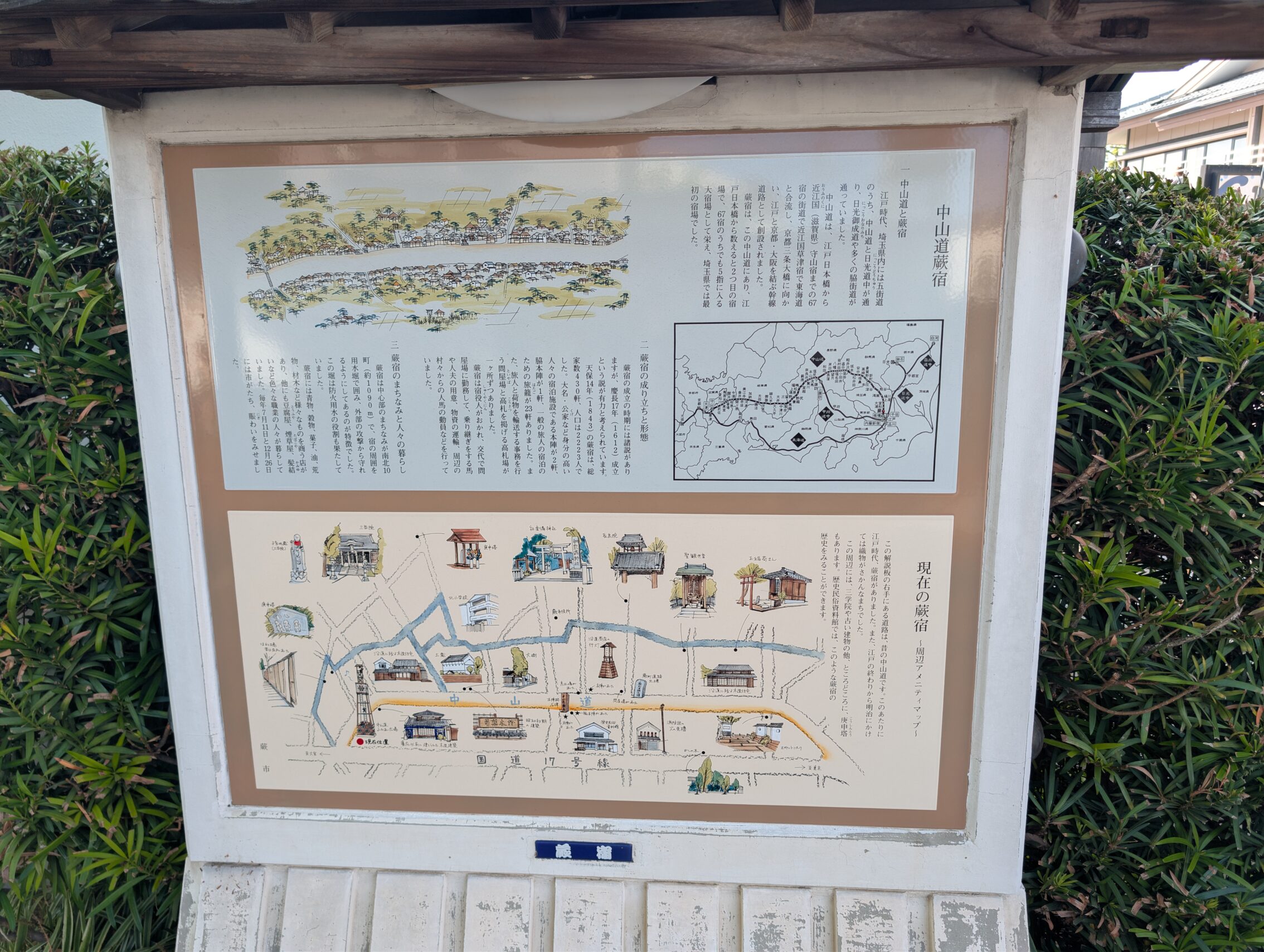
The Nakasendō community park is just by the northern end of the post station. In the park there is a map of the post town, a mosaic mural – parts of which are on the featured photo on this post, some benches where you can rest, a drinking fountain, as well as a small diorama inside the model of an old watch tower.
The left side of the mosaic mural in the park depicts the procession of the legendary princess and sometimes goddess Orihime, famed for being excellent at weaving, who together with a daimyō were travelling with their retinue towards Tokyo. This princess procession is celebrated in Warabi-shuku with a festival and a dress-up parade every November 3rd, and this homage to the princess can be seen on the right side of the mosaic.
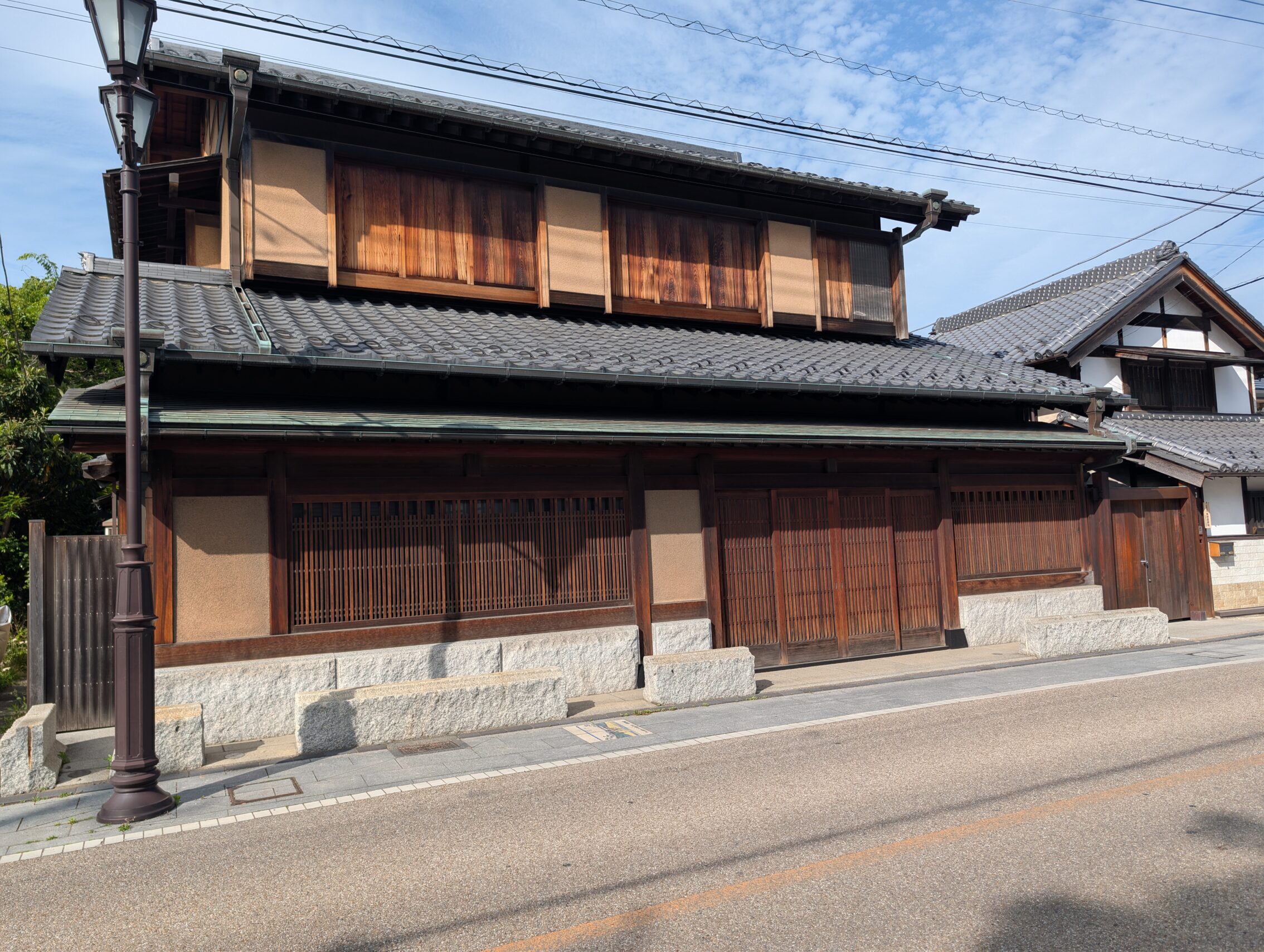
On the opposite side of the park, a bit further in along the post station road heading south is a great example of a preserved house.
Even further south of the park is the main house of the Warabi City Museum of History and Folklore, as well as the remains of one of the two honjin of this post town. The museum has among other things a wonderful diorama of what the whole post town used to look like, examples of what people ate during the Edo period, period-typically furnished rooms, and much more. It is housed in a rather modern building, but the it’s what’s inside that counts!
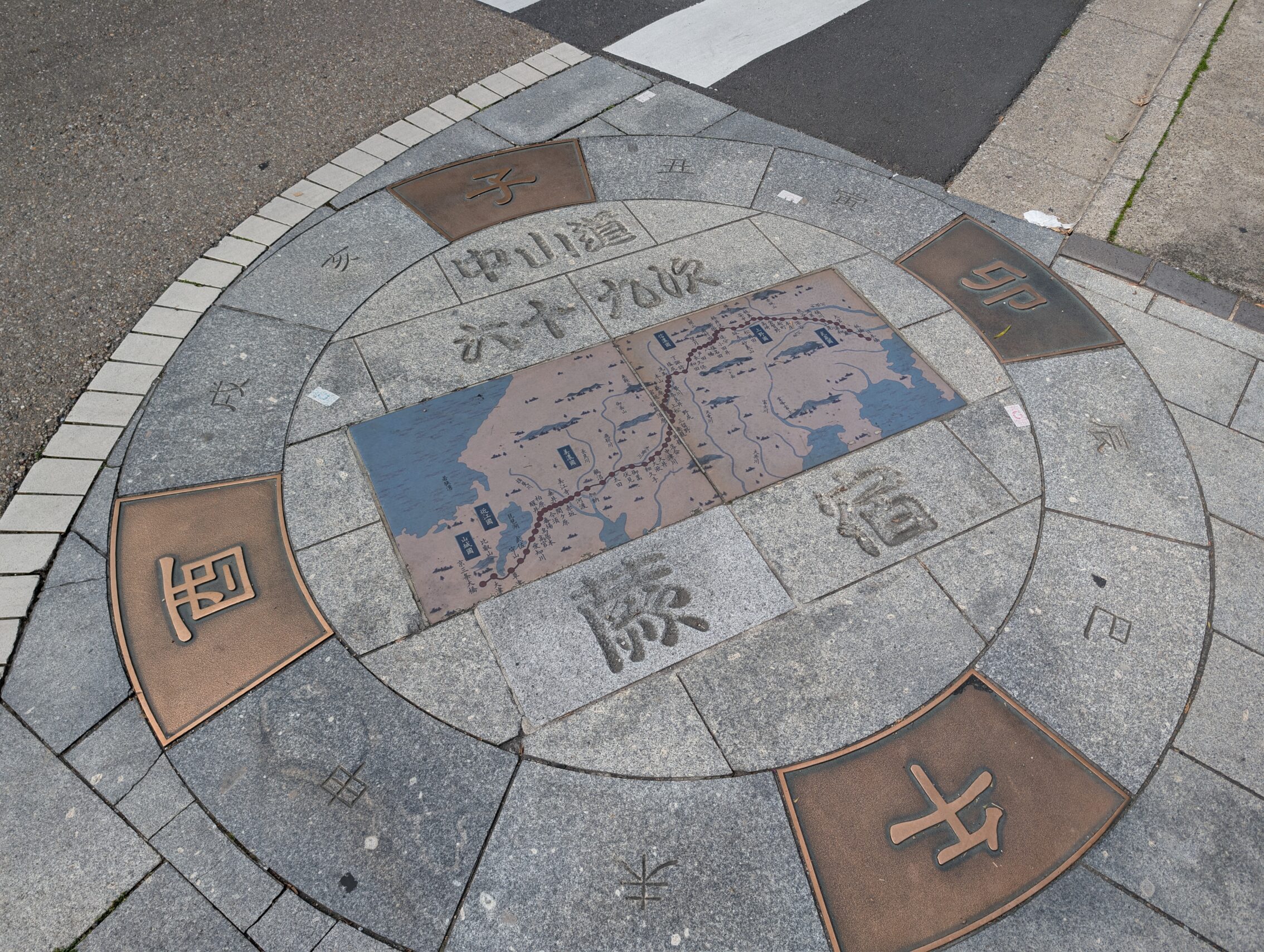
At a junction in the middle of the post town, there is a large compass rose set in the pavement, that includes a complete map of the whole Nakasendō as well as all the post stations.
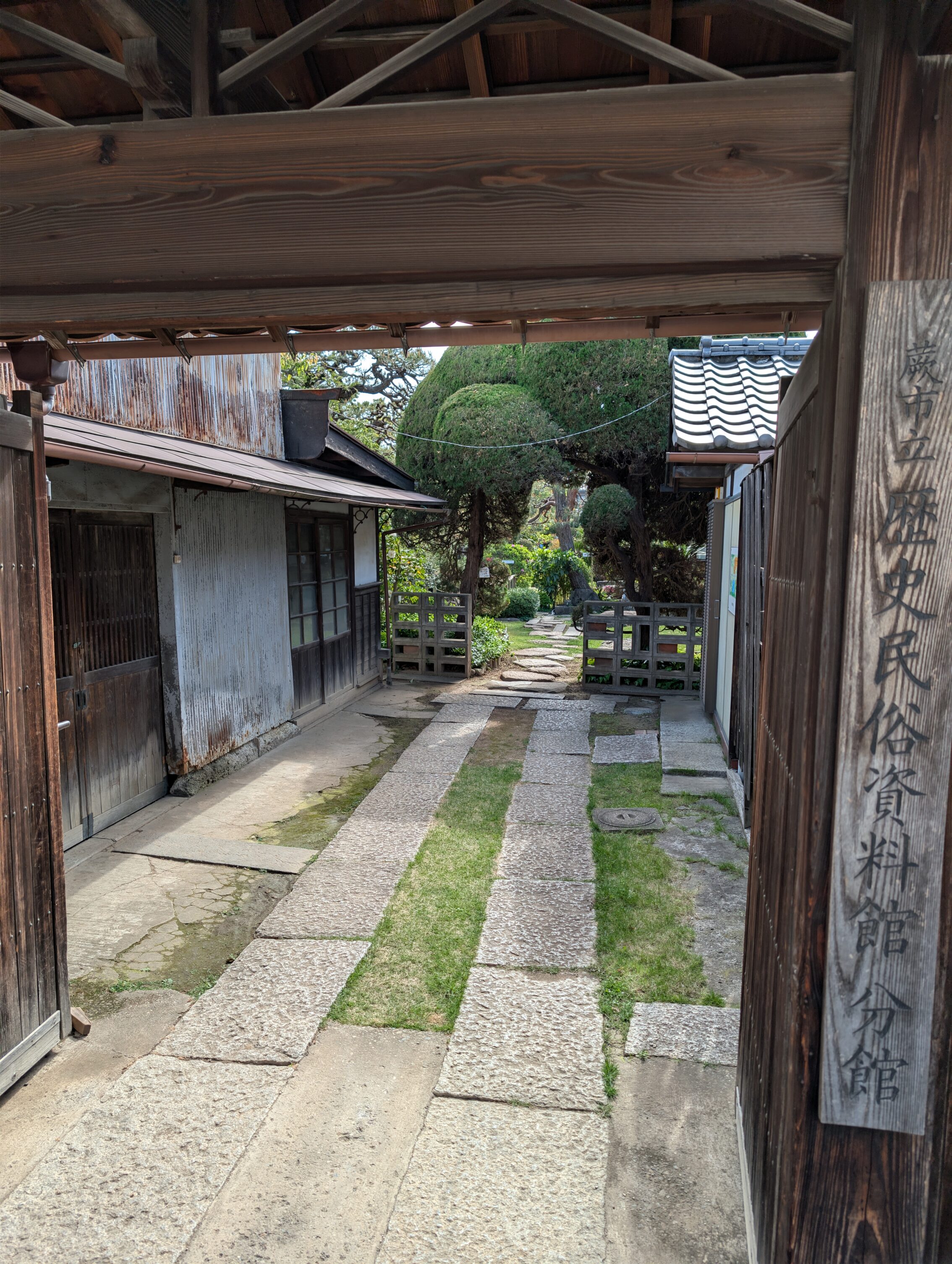
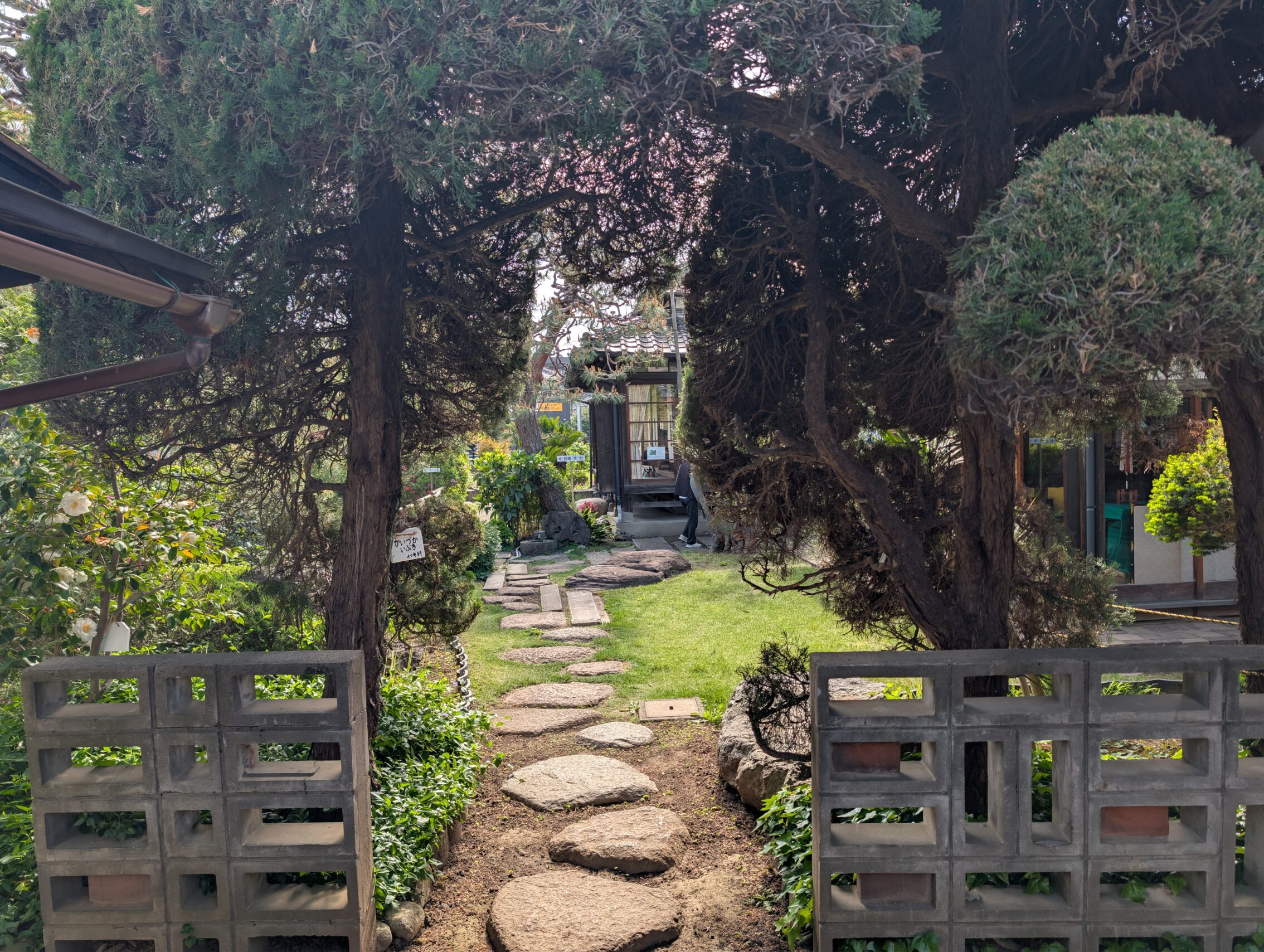
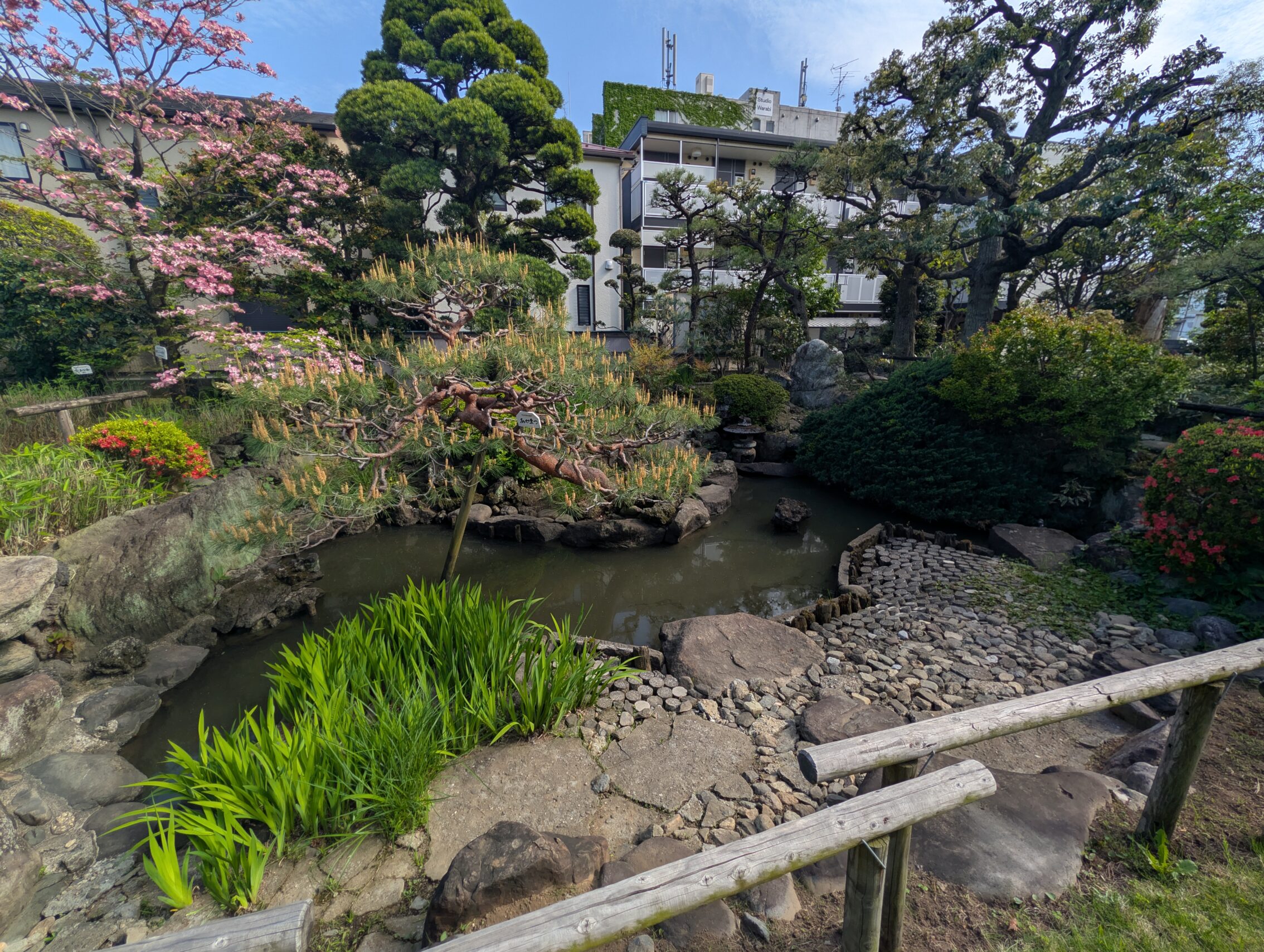
There is also an annex to the Warabi City Museum of History and Folklore a couple of hundred metres further south which is a preserved textile merchant house and storehouse that is open to the public. The house and the garden is a wonderful oasis that very much feels like stepping back in time.
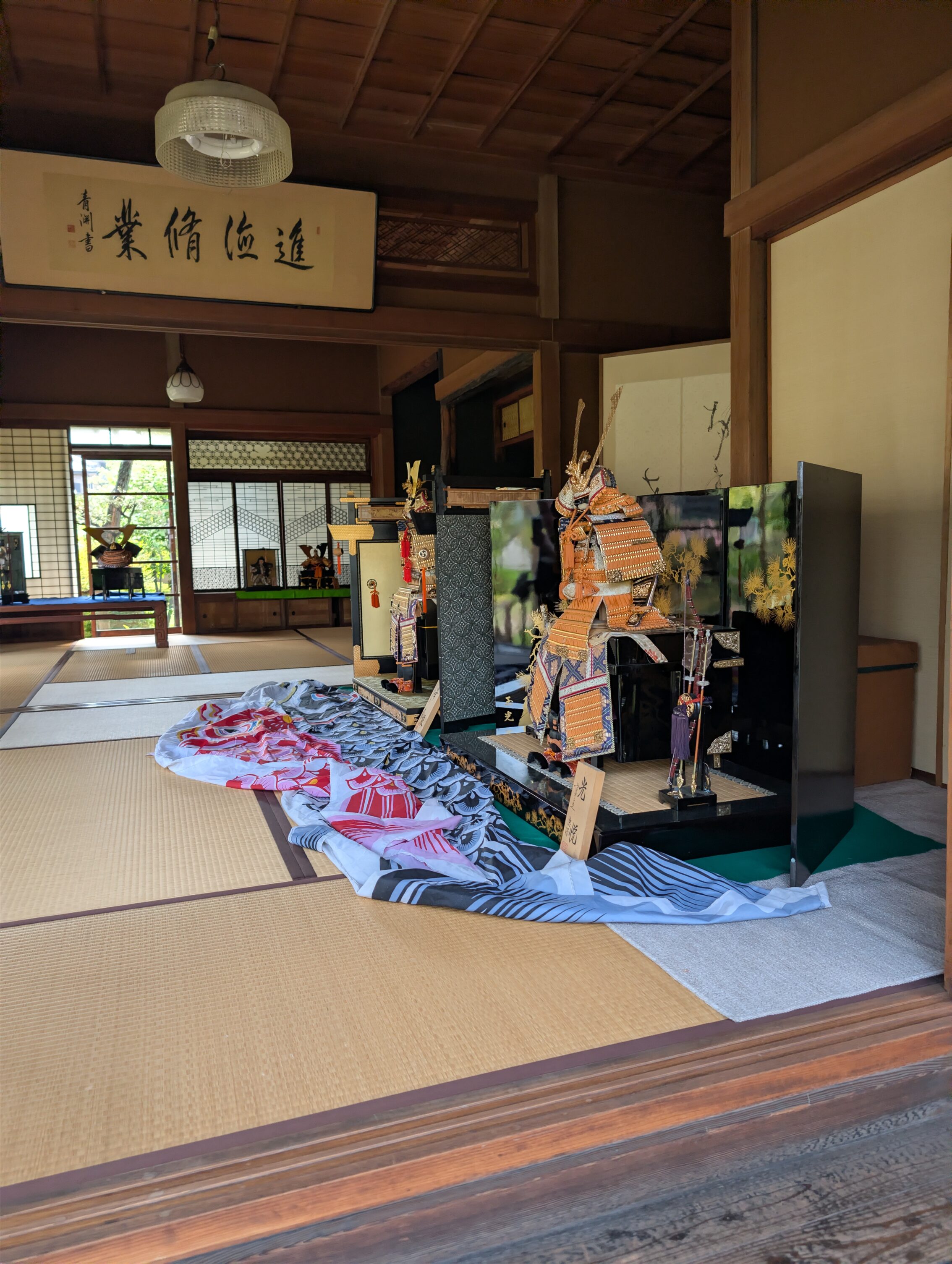
There are also coloured tiles embedded in the pavement on both sides of the street along the whole post station. Each one of these tiles depict one of the post station ukiyo-e woodblock prints from the book “The Sixty-nine Stations of the Kiso Kaido“. The book made by the famous artists Keisai Eisen and Utagawa Hiroshige was originally printed between 1835 and 1837. Some of them are a bit worn, but they give an excellent sense of the coming adventure if you are hiking from Tokyo, and a wonderful feeling of accomplishment if you have been hiking from Kyoto.
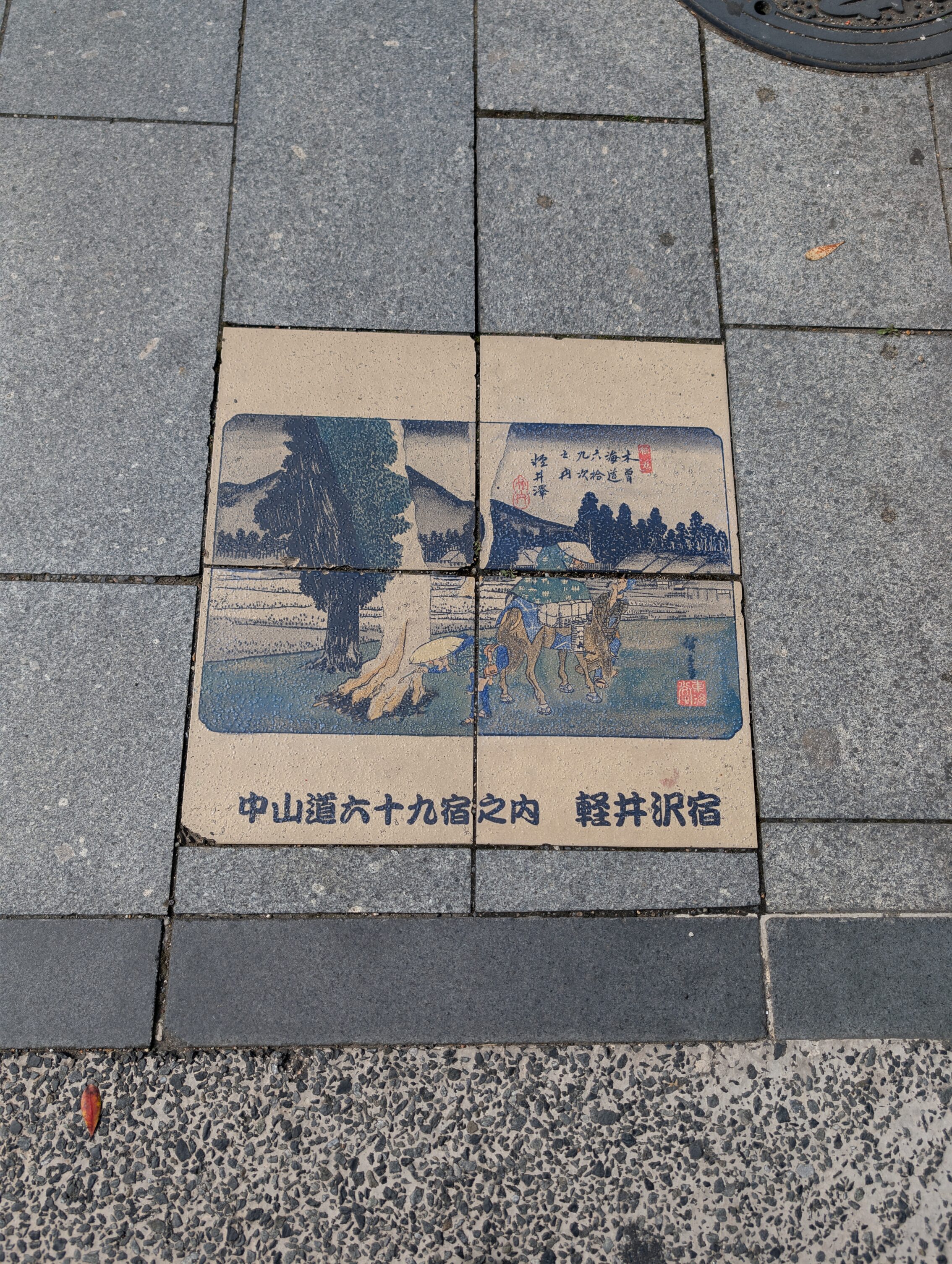
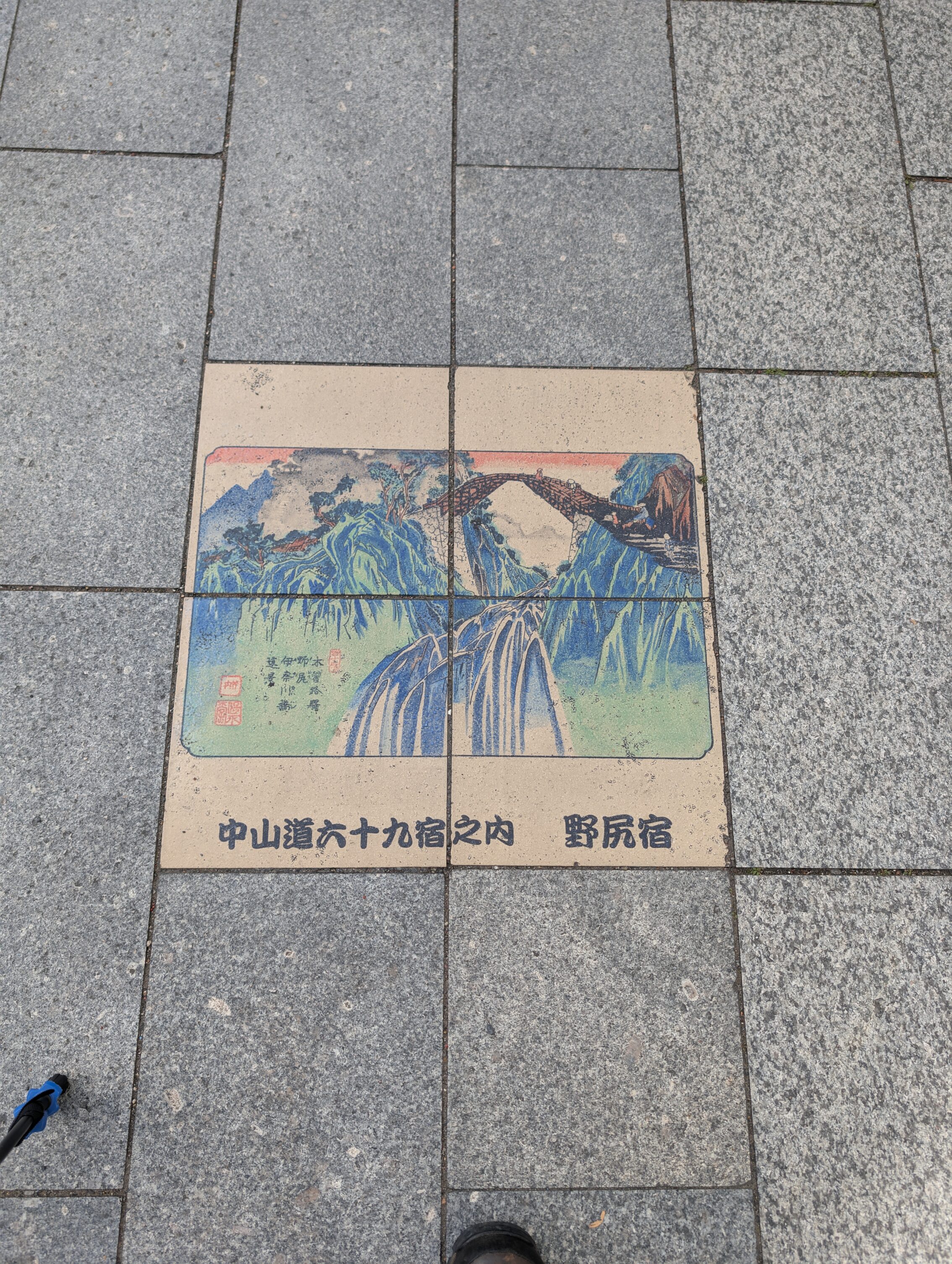
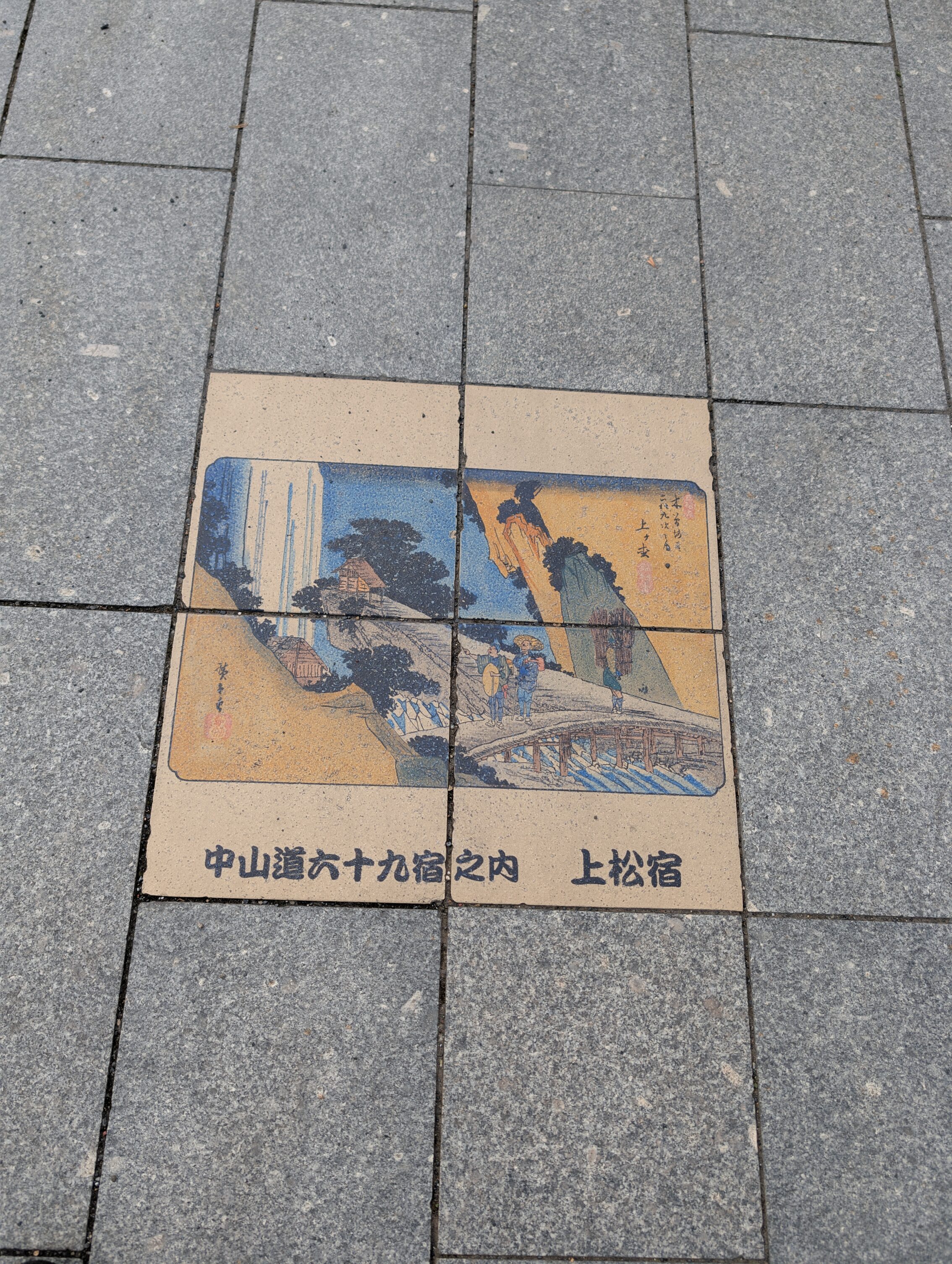
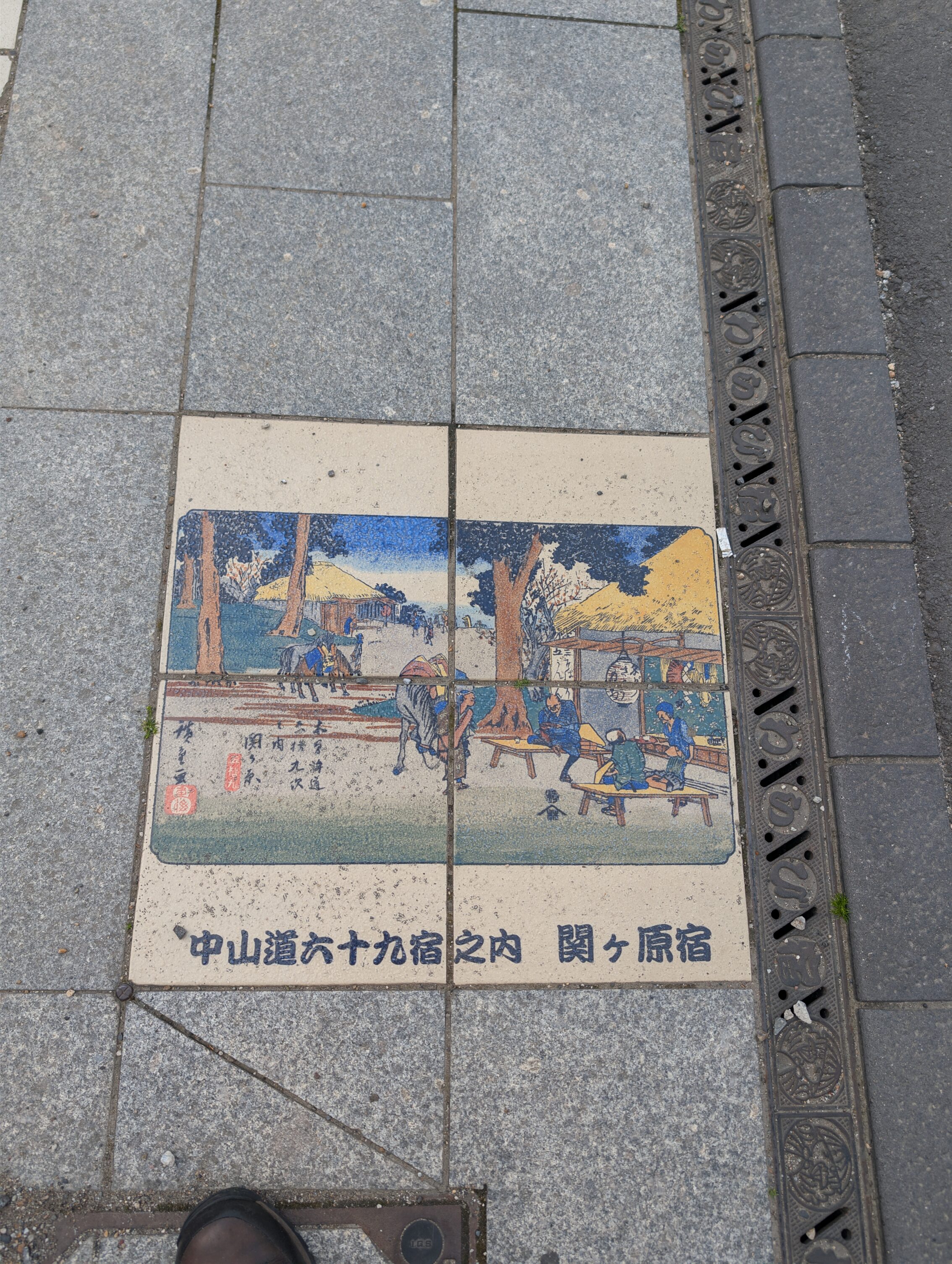
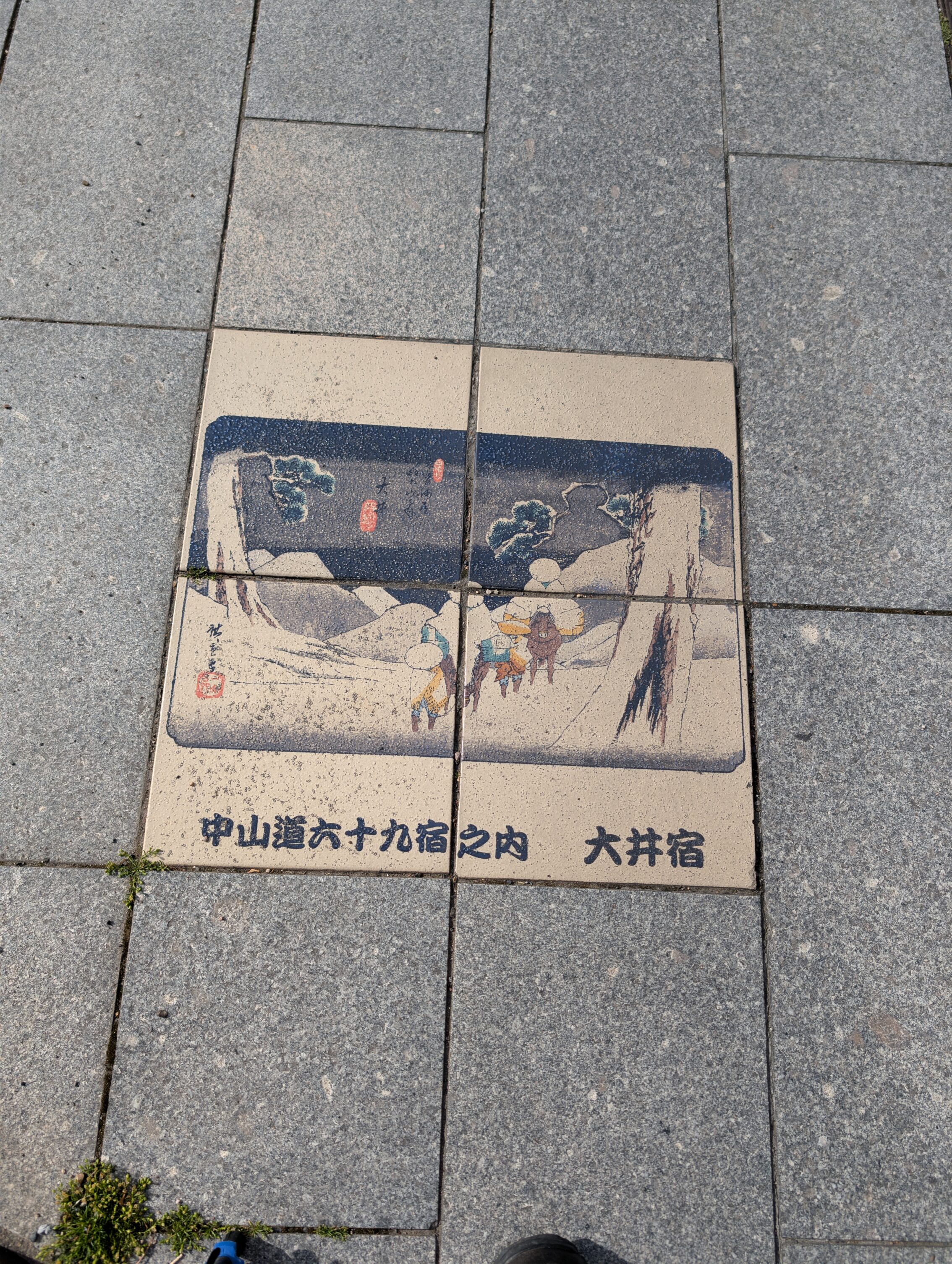
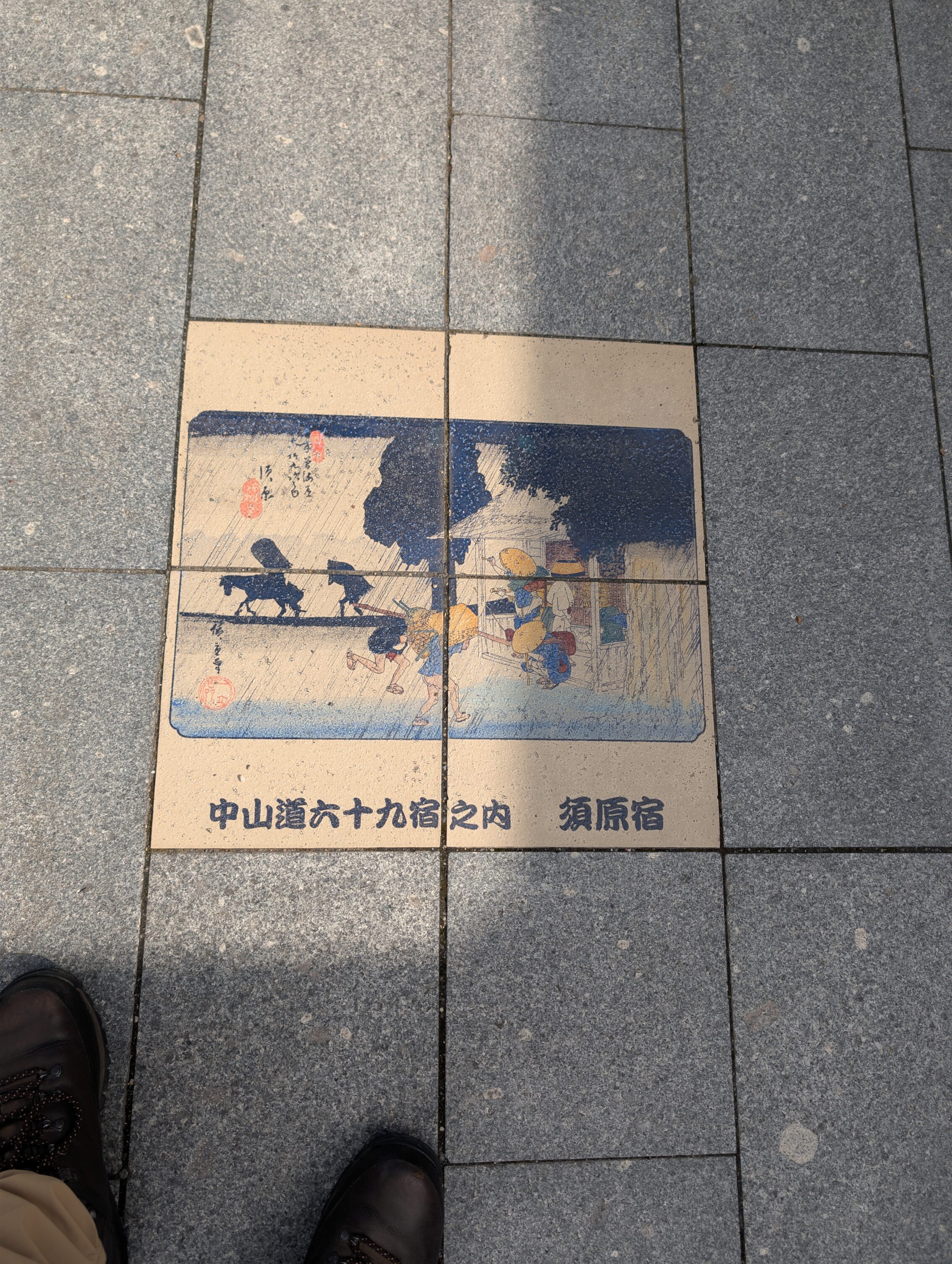
The tiles alternate between the sides of the street, ie the tiles for the first post station Itabashi is on the left side of the street coming from Tokyo, and the tiles for the second, Warabi itself, is on the right side, and so on.
According to a census made in 1843, Warabi-shuku had the following buildings.
2 honjin
1 waki-honjin
23 hatago and
430 houses
There is as mentioned above a lot to see and do in Warabi-shuku that relates to the Nakasendō and the Edo period. It is well worth a visit even if you’re not hiking along the old road!
Leave a Reply