The Nakasendō starts, or ends, in Tokyo, at the Nihonbashi bridge. This place has now become the designated kilometre zero of Japan. That means that all distances today are nominally measured from this place. The metal plate in the road on the bridge looks like this.
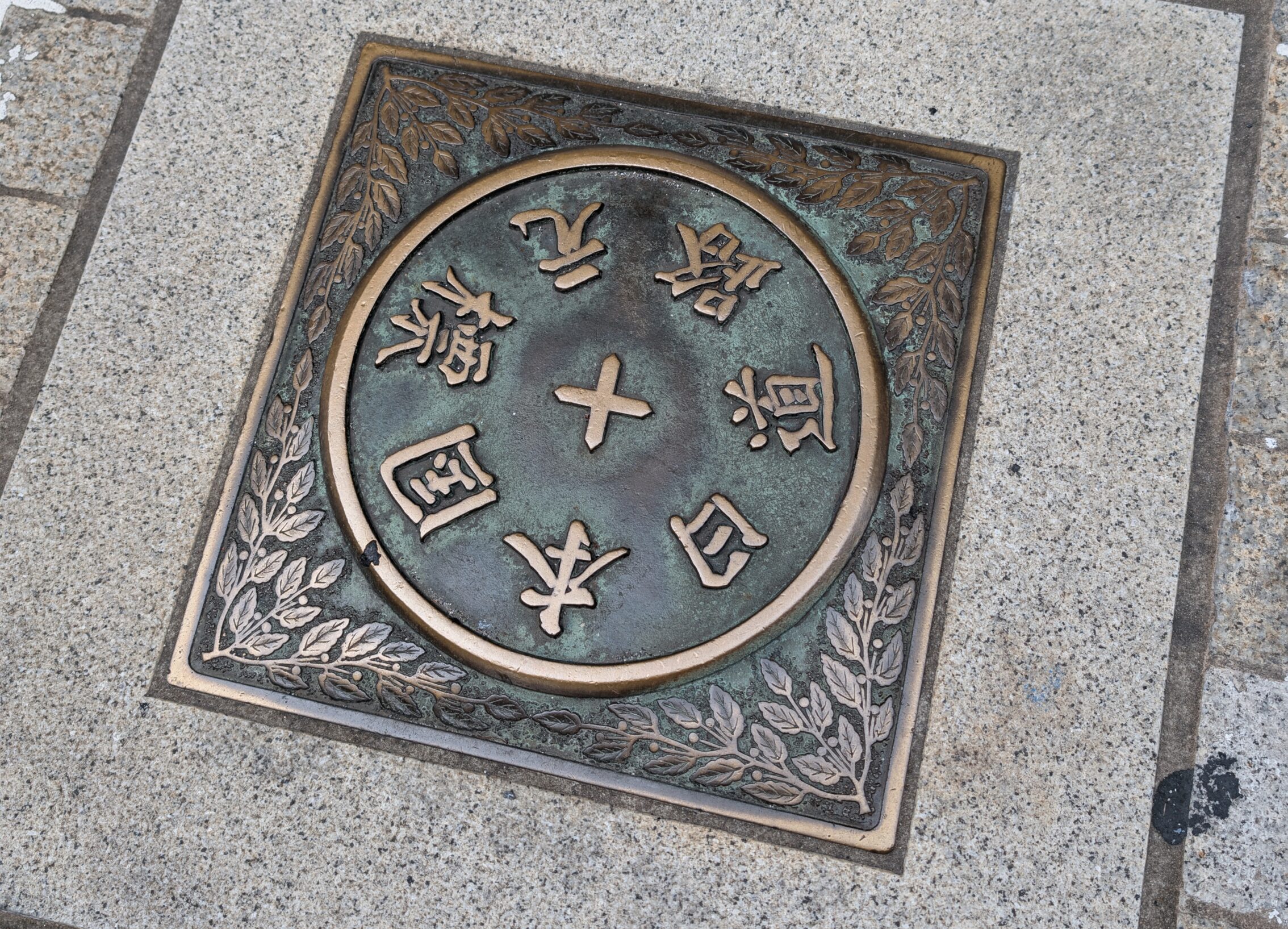
This plate isn’t particularly accessible as it is literally in the middle of the road among the cars, trucks and lorries. I waited for a bit for a lull in the traffic, and then ran out onto the street and took a few photos. If you don’t want to risk your life, however, there is a replica on the north side of the bridge!
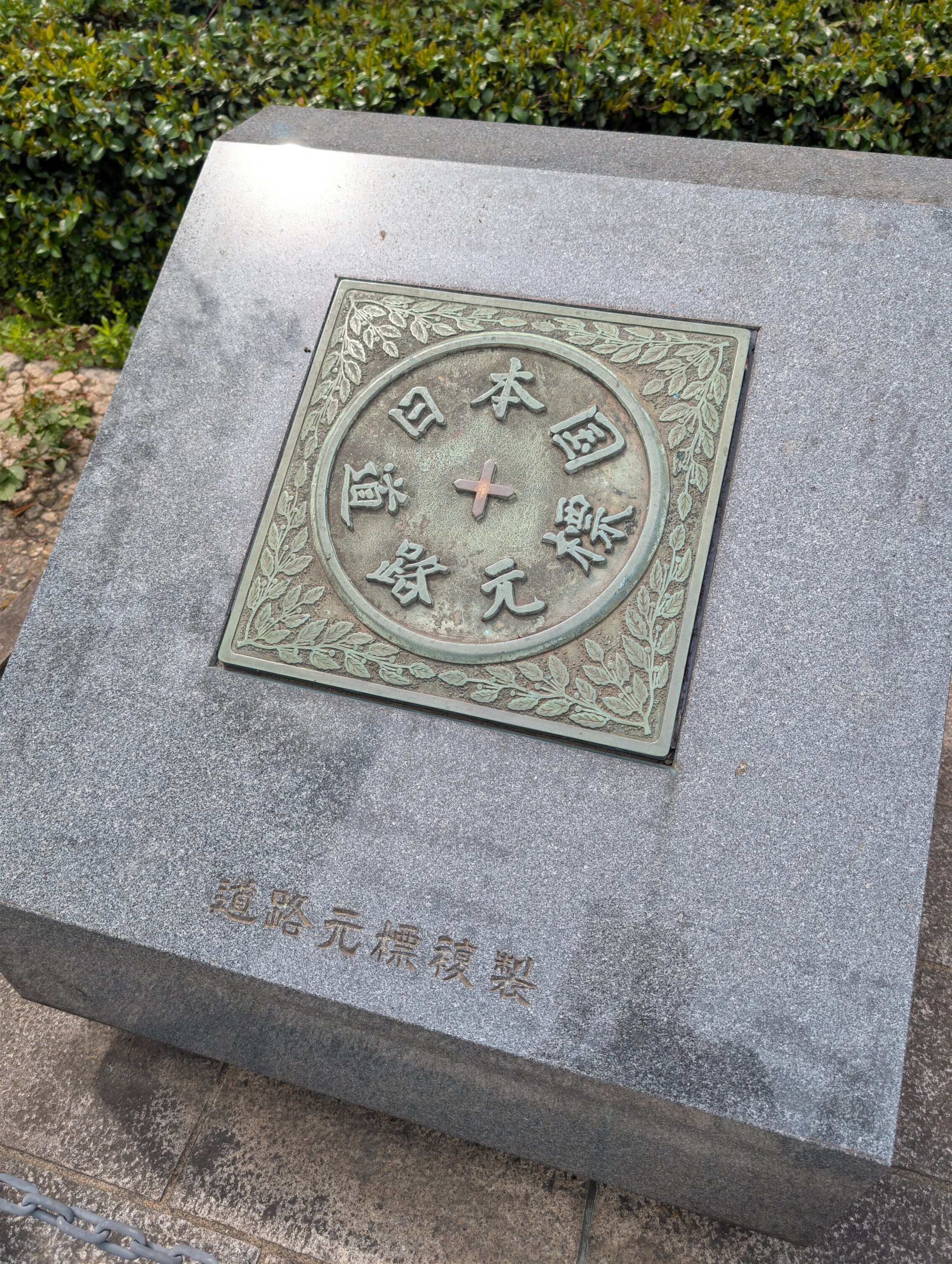
You might notice that the replica is rather worn in the middle. It seems that people to want to touch it even though it isn’t the /actual/ place, but off by maybe 50 metres. (I did too!) I suppose most people prefer to not risk their lives with the real one…
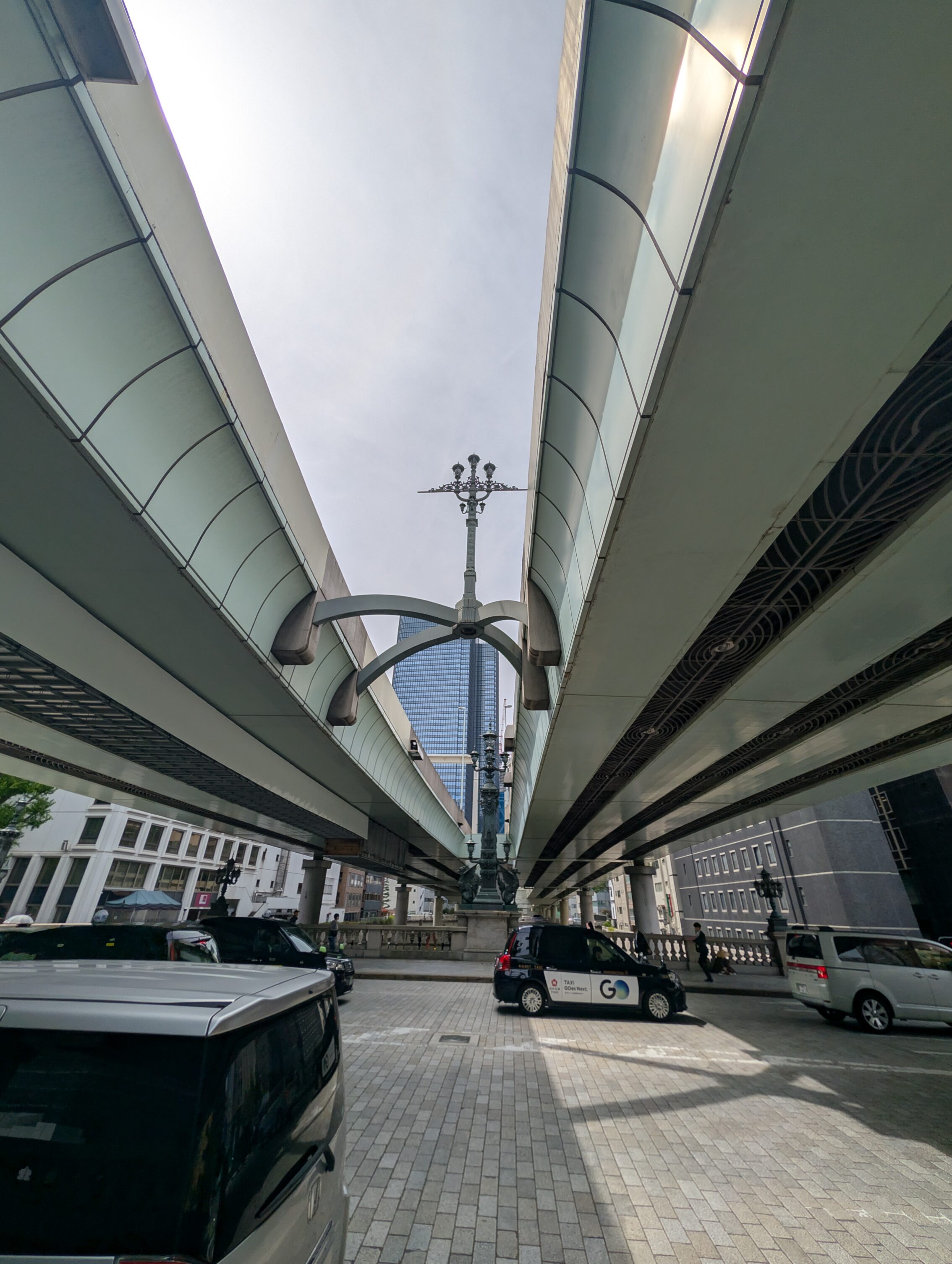
The bridge itself is rather curious as well. Sometime after WWII they built a motorway above everything, running along the canal, perpendicular to the bridge. I have heard that the motorway was part of a network of modern roads built for the Olympic Games of 1964 in Tokyo, but whatever the reason, this rather cool looking bridge above a bridge, at least from an engineering perspective, is now planned to be torn down. Sometime in the 2040s, a tunnel is meant to replace this thoroughfare, which means that in 15-20 years time the skies above the Nihonbashi bridge will be free again. During the Edo period you were able to see Mount Fuji from the bridge, but even if this other bridge is removed, I’m quite skeptical that view will present itself again unless they also demolish a couple of hundred huge houses.
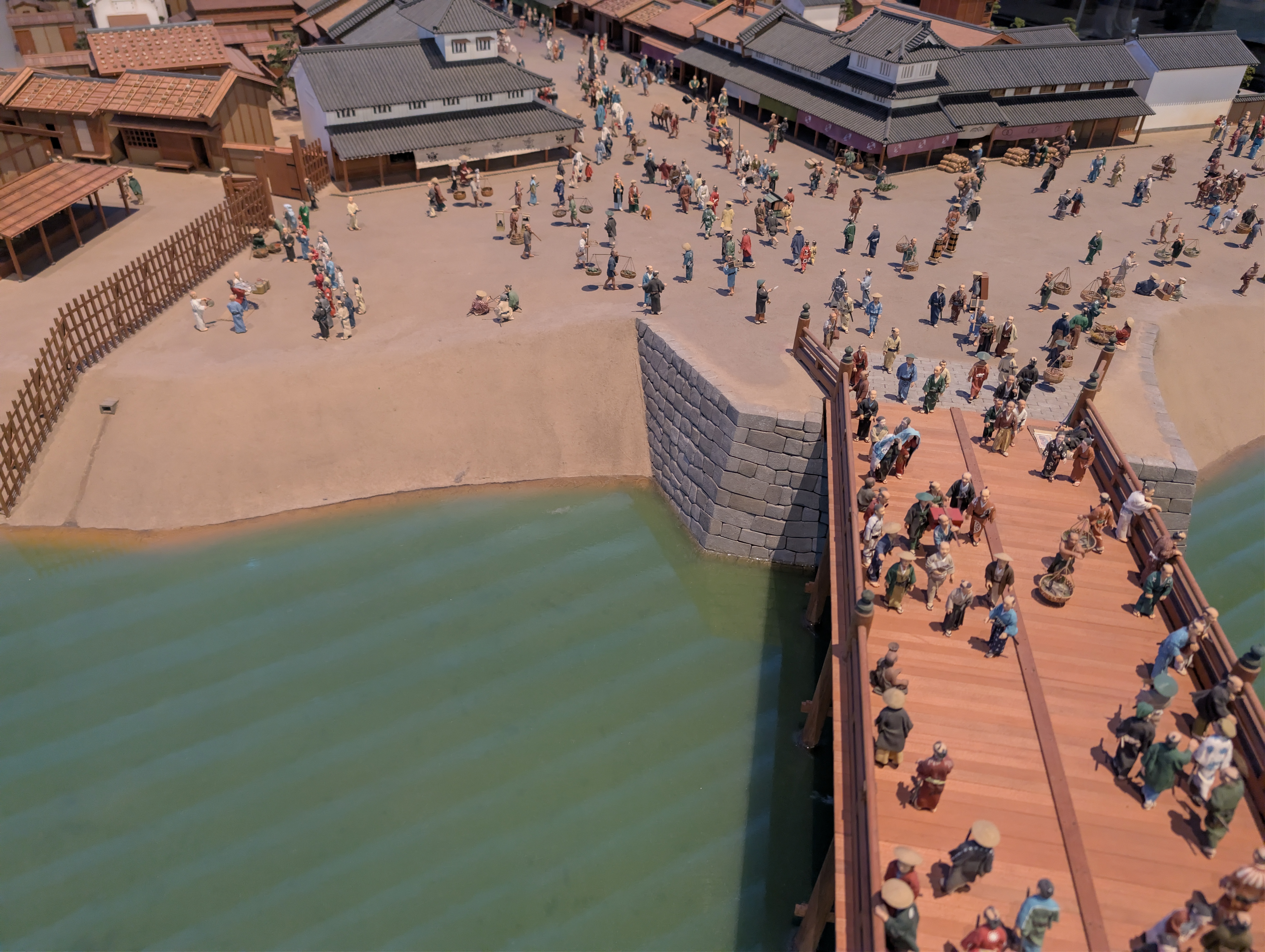
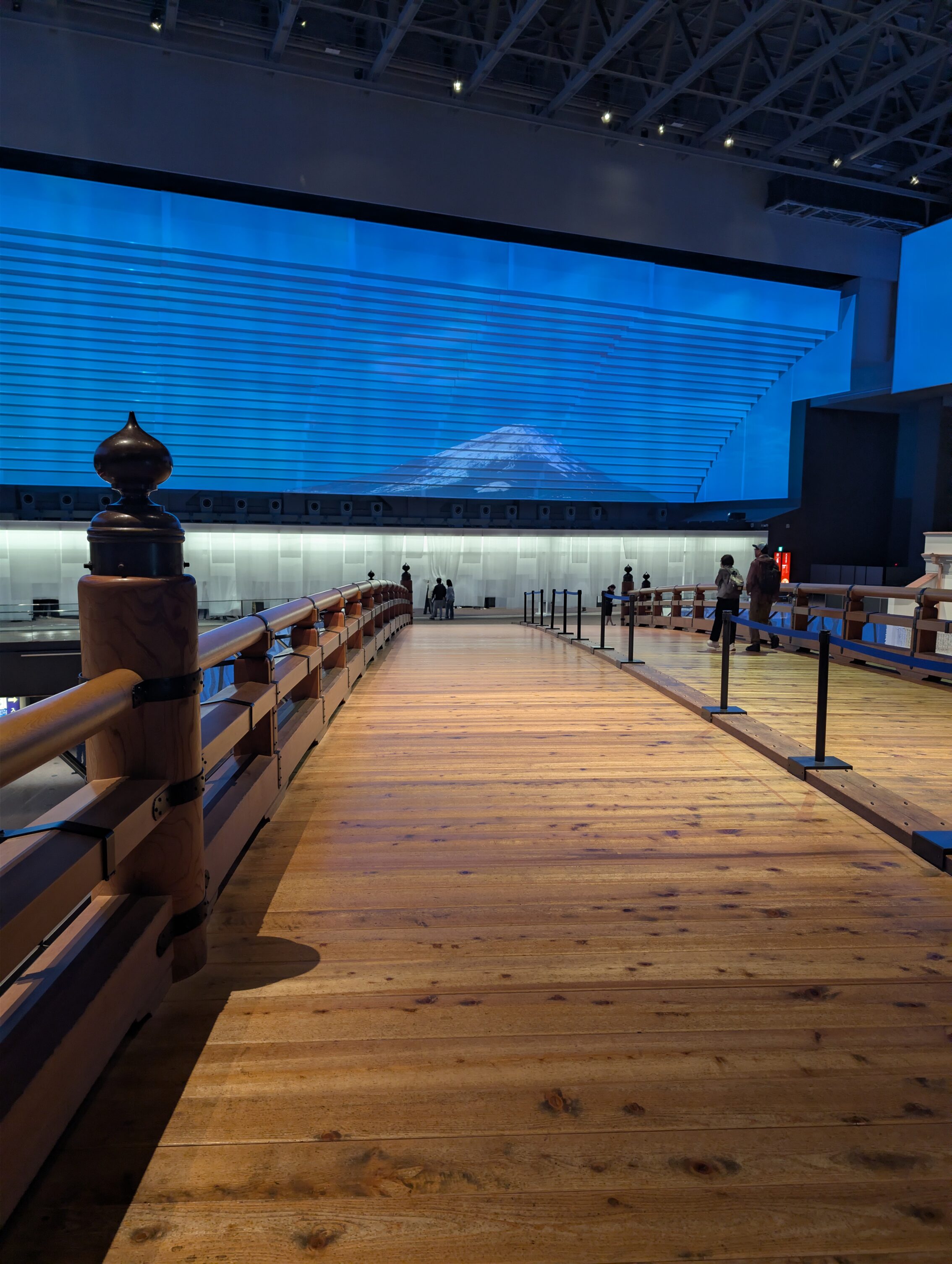
During the Edo period the bridge was made of wood, and was mostly for pedestrian traffic. In the newly opened Tokyo Edo museum they have a full-scale 1:1 replica of the bridge, or at least the northern part of it as it was supposed to have looked like in the early 19th century.
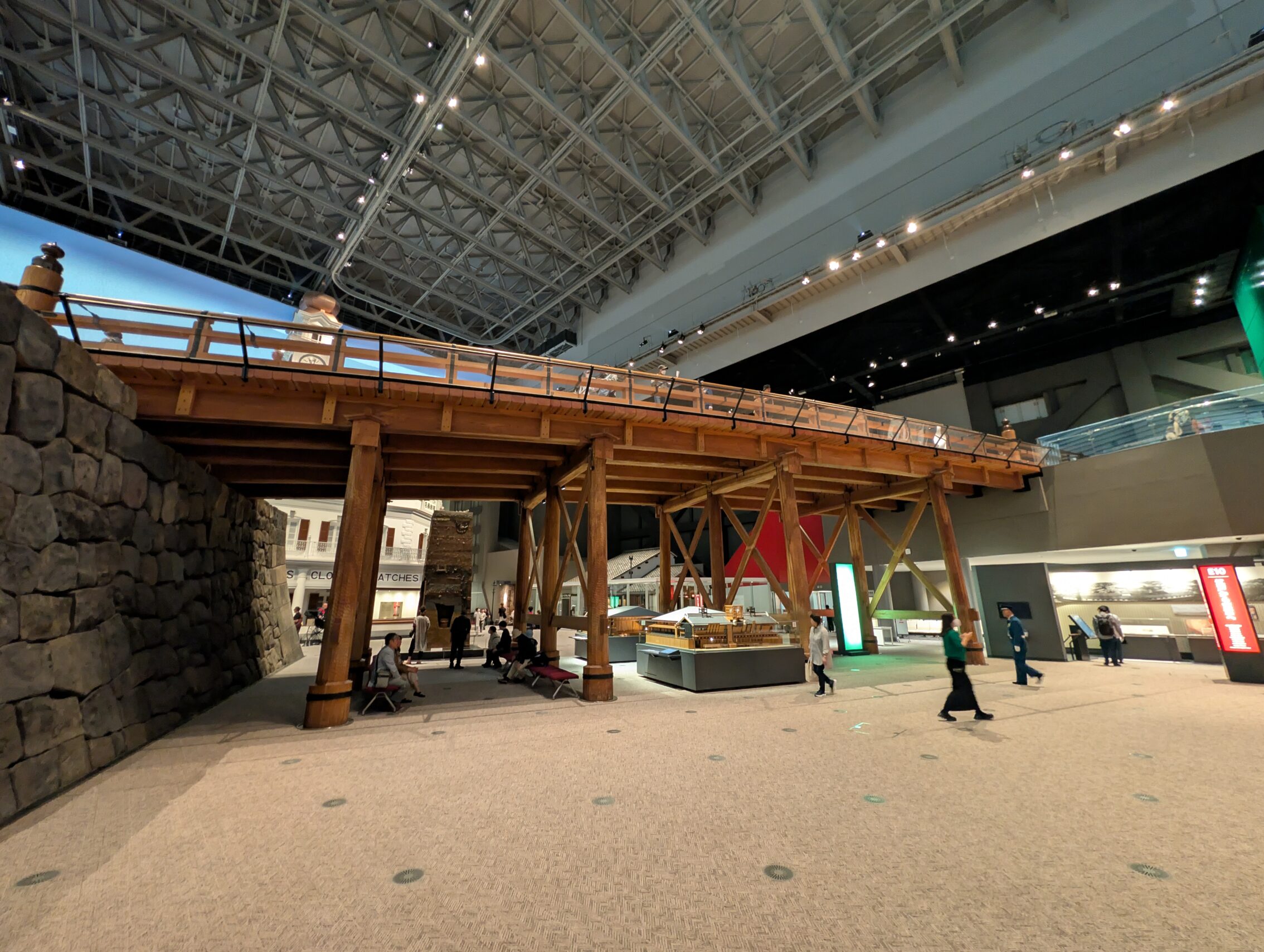
The replica bridge also looks astoundingly impressive from below. Honestly, the whole museum is very much worth visiting, and it opened again just a few weeks ago after several years of renovations.
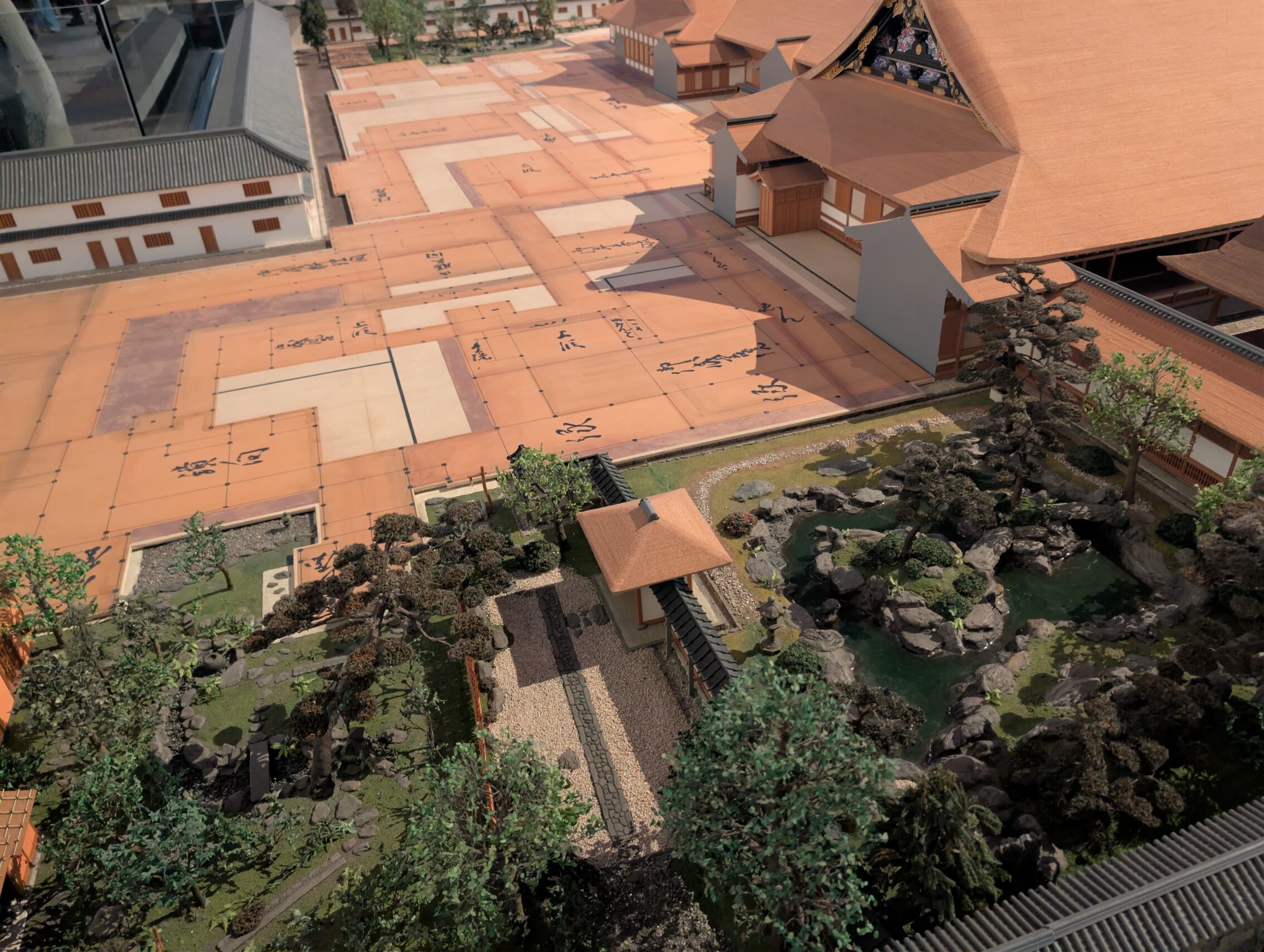
Finally, in the museum they have oodles of other smaller scale models as well, of most of everything from Edo during the Edo period, and at other times. Here’s a nice one, for instance, and the featured image at the top of this post shows another view.
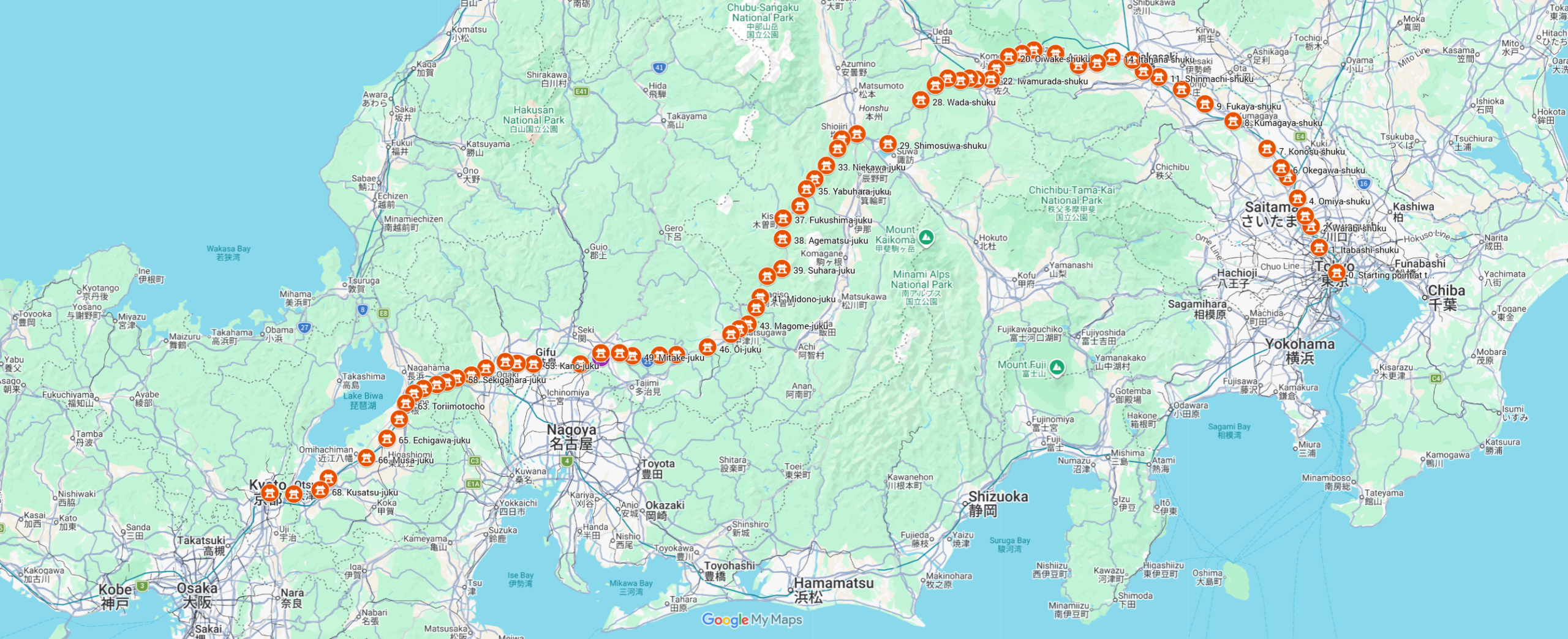
Long story short, the Nihonbashi bridge is where my hike starts. It will end in 30 or so days as I reach Kyoto. I hope you will enjoy reading about it, and the history of the Nakasendō and much more on this blog! 🙂
Leave a Reply