General
-
Slow internet
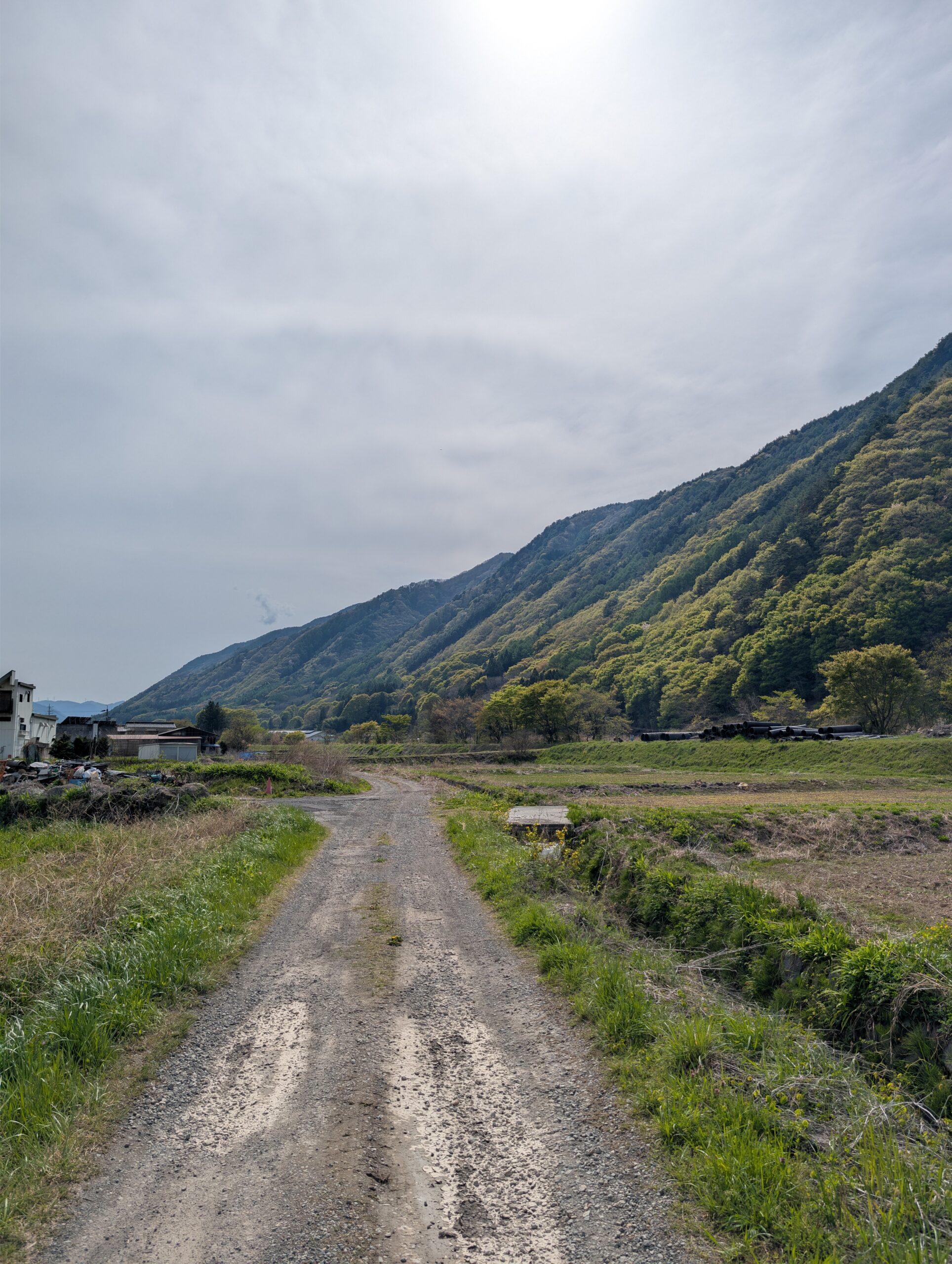
For the first time since I came to Japan I am stuck with an excruciatingly slow internet connection. The mobile connection out here in the foothills to the mountains is spotty, at best, and the WiFi at this otherwise lovely… …more
-

RSS – what the f is that?
I just added an RSS option on the main menu, ie the one with a brown background at the top and bottom of the site. RSS means “Real Simple Syndication” and is a stoneage-old technology where you can subscribe to… …more
-
Tech on the road
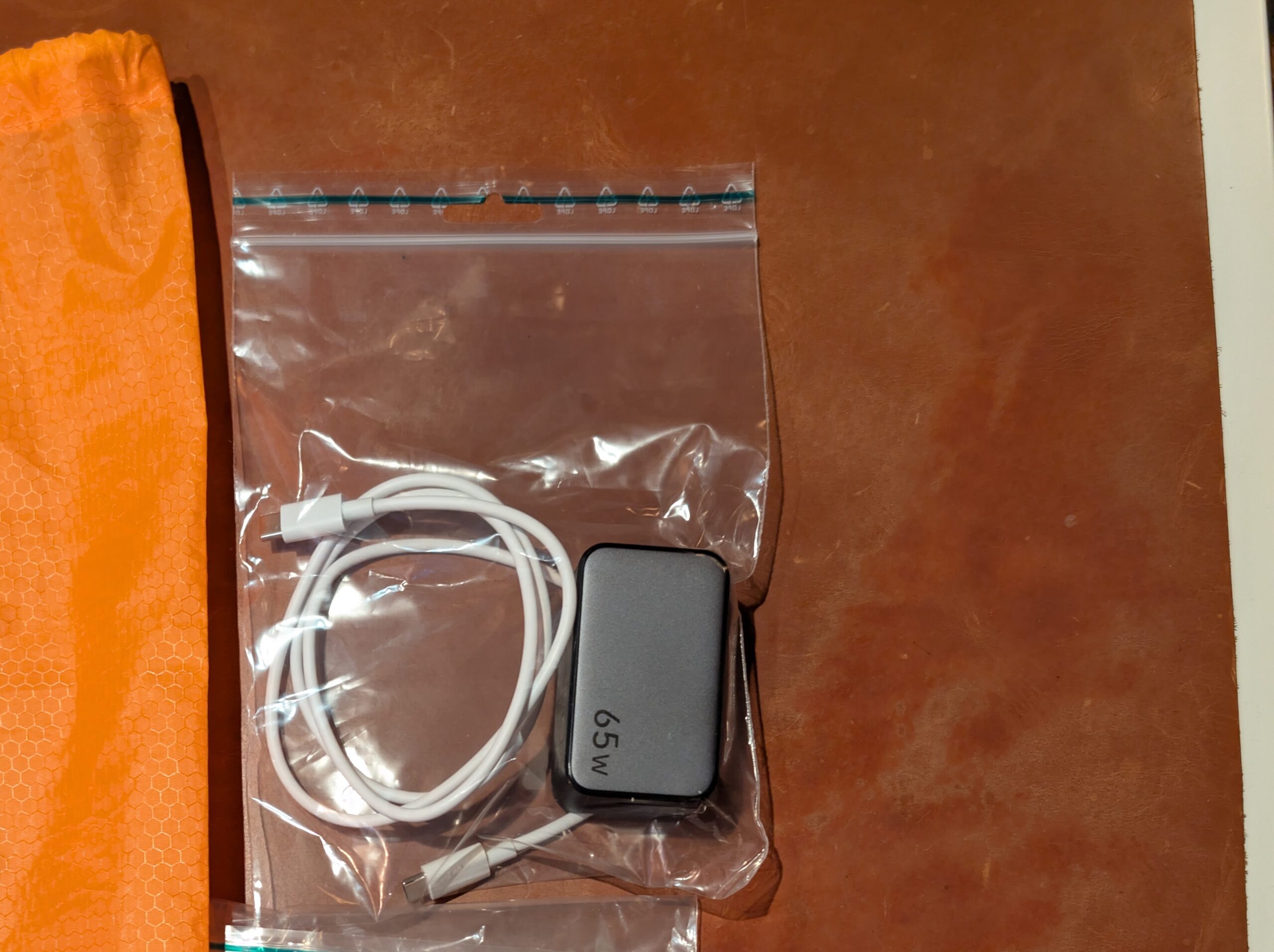
I’ve been inundated with questions (well, one person has asked) about what tech I have brought with me, and what digital services I use. First of all, I have a phone and a laptop. These two items help me with… …more
-
The start of the road
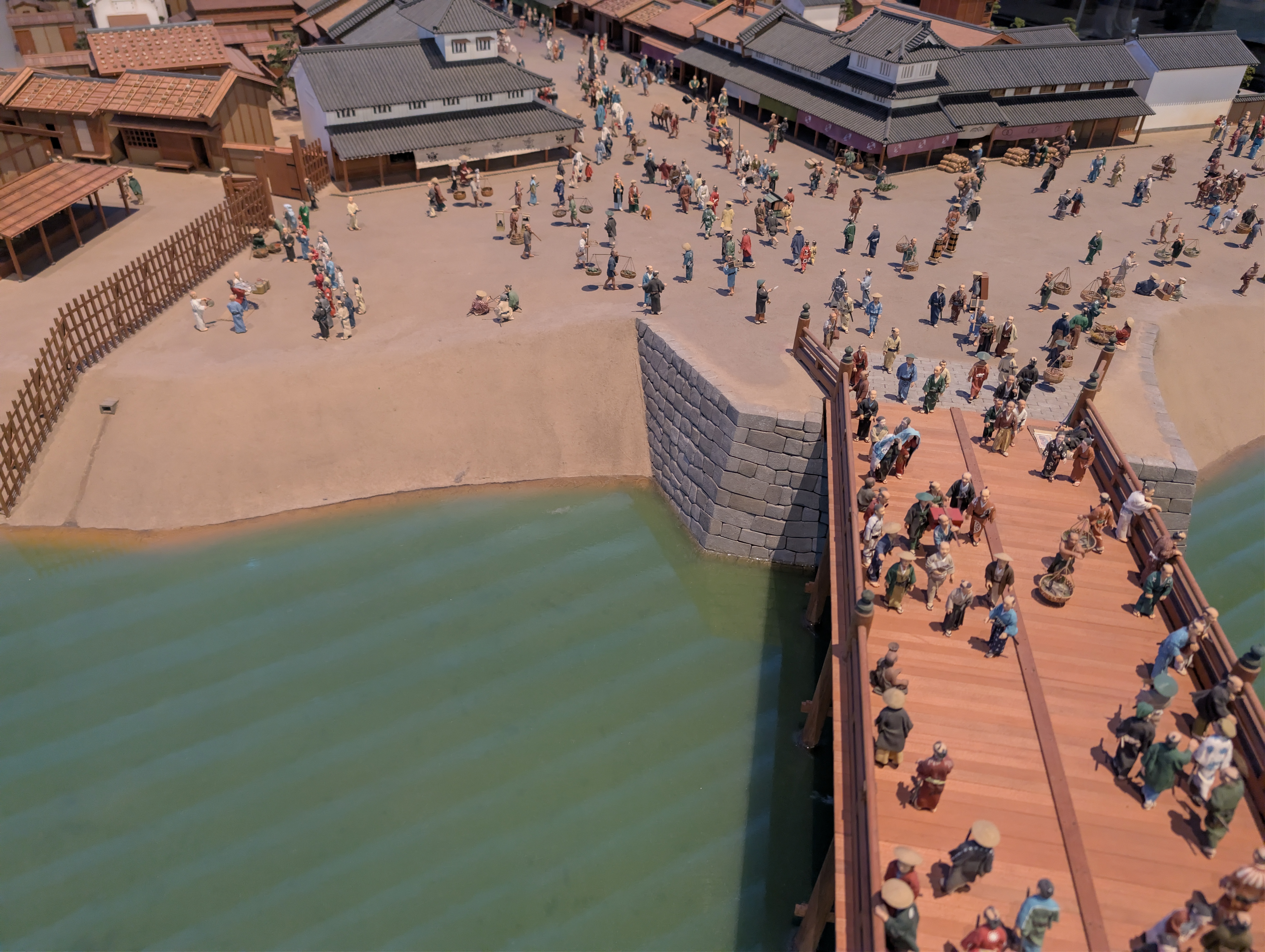
The Nakasendō starts, or ends, in Tokyo, at the Nihonbashi bridge. This place has now become the designated kilometre zero of Japan. That means that all distances today are nominally measured from this place. The metal plate in the road… …more
-
Packing woes
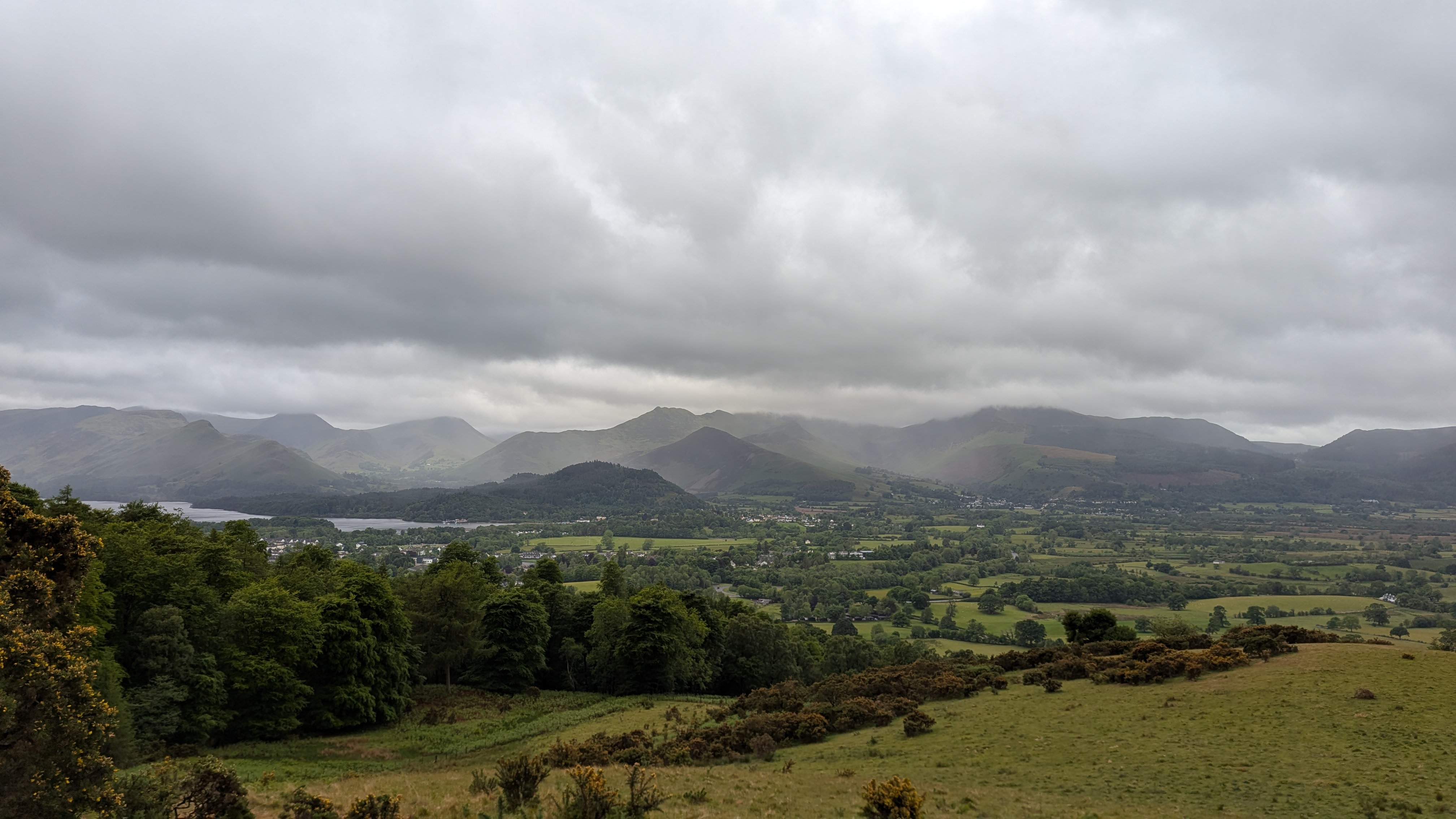
You obviously need to bring things when you are hiking. Depending on the landscape, terrain, weather, and your needs, the purpose of the trip, etc, the stuff you want bring will differ wildly. The featured image (above) is from Keswick,… …more
-
More resources
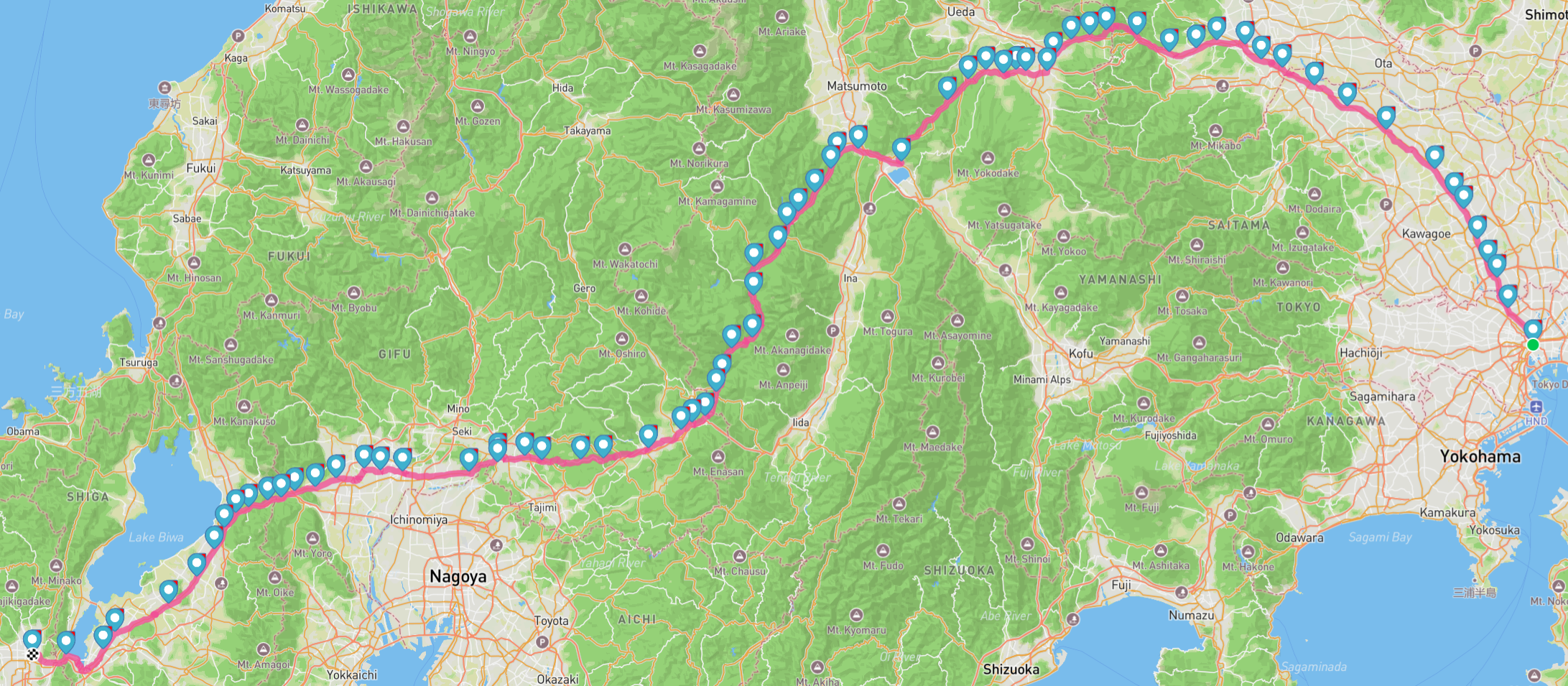
Just a quick note that the Resources page has been updated with a lot more GPX-files, including one for the complete Nakasendō track, and one for all the post stations. These tracks will be updated even further if need be,… …more
-
Things that can go wrong
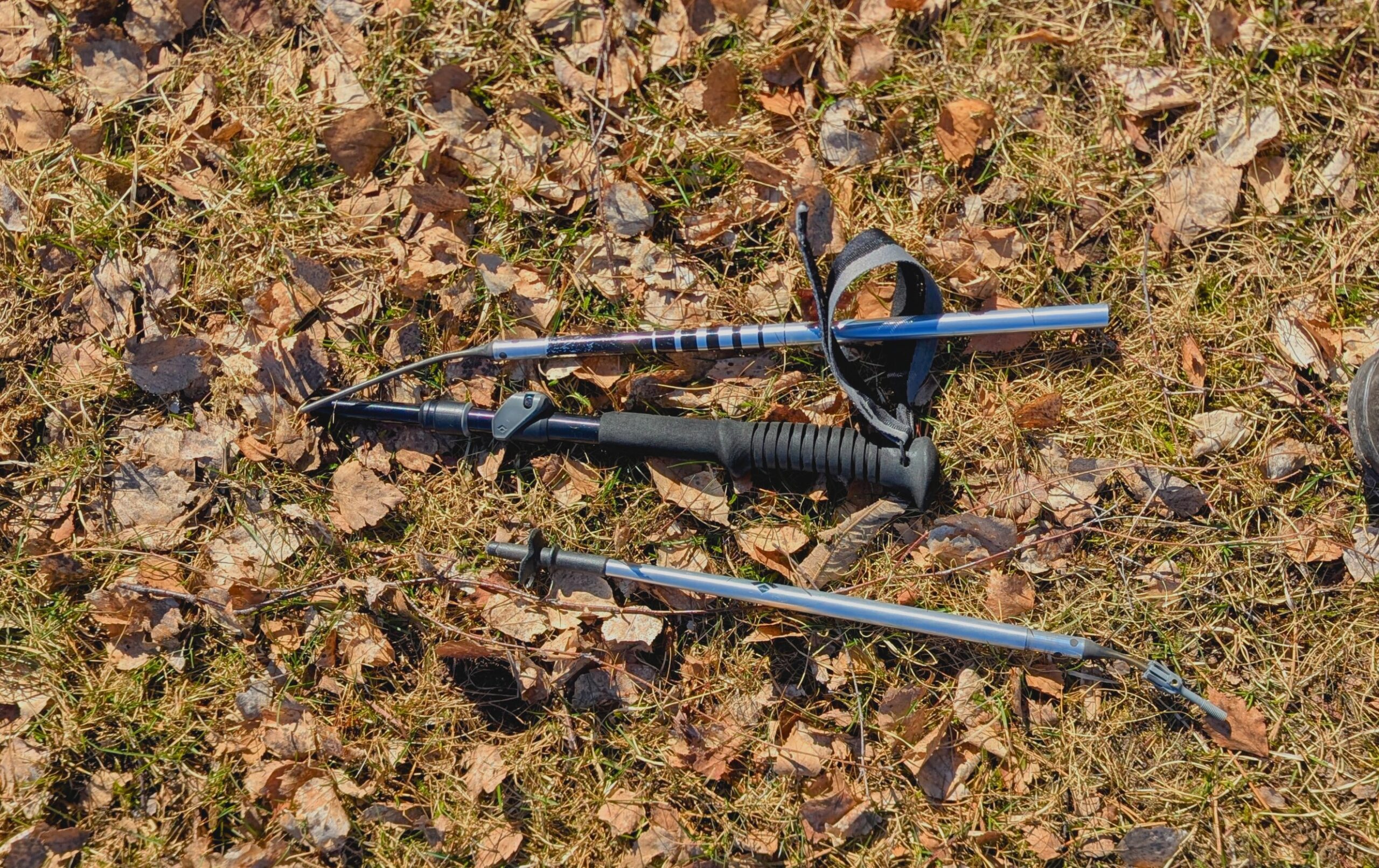
This blog isn’t meant to be about general hiking skills nor does it try and teach you how to be as good a hiker as possible. What constitutes good hiking practices varies considerably depending on the person speaking, and their… …more
-
The Edo-Tokyo museum
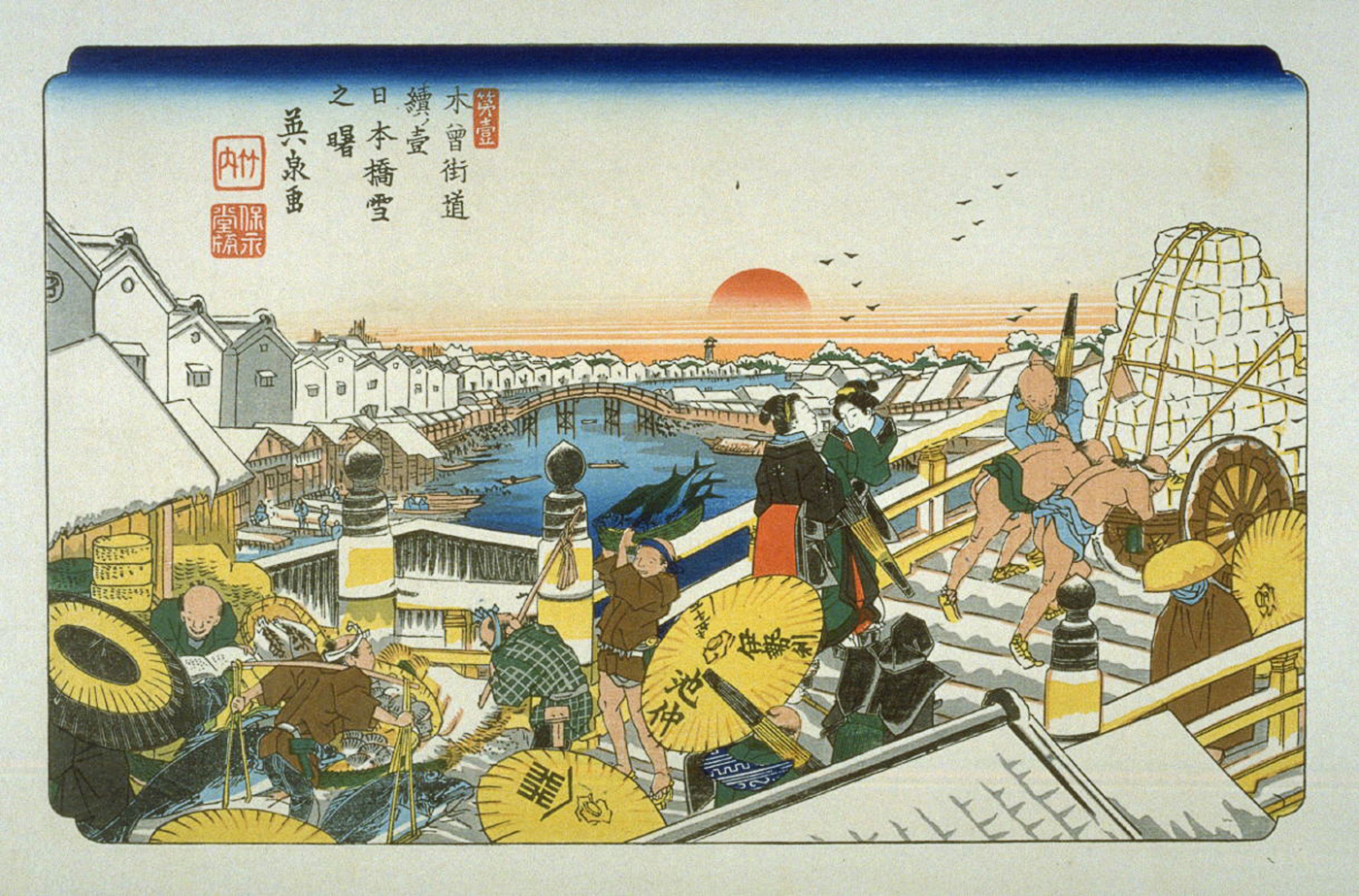
This museum specialises in the Edo period of the capital, and has exihibitions that might be of specific interest to Nakasendō hikers. First and foremost, they have a life-sized replica of the Nihonbashi bridge as it looked in the early… …more
-
Transliterations
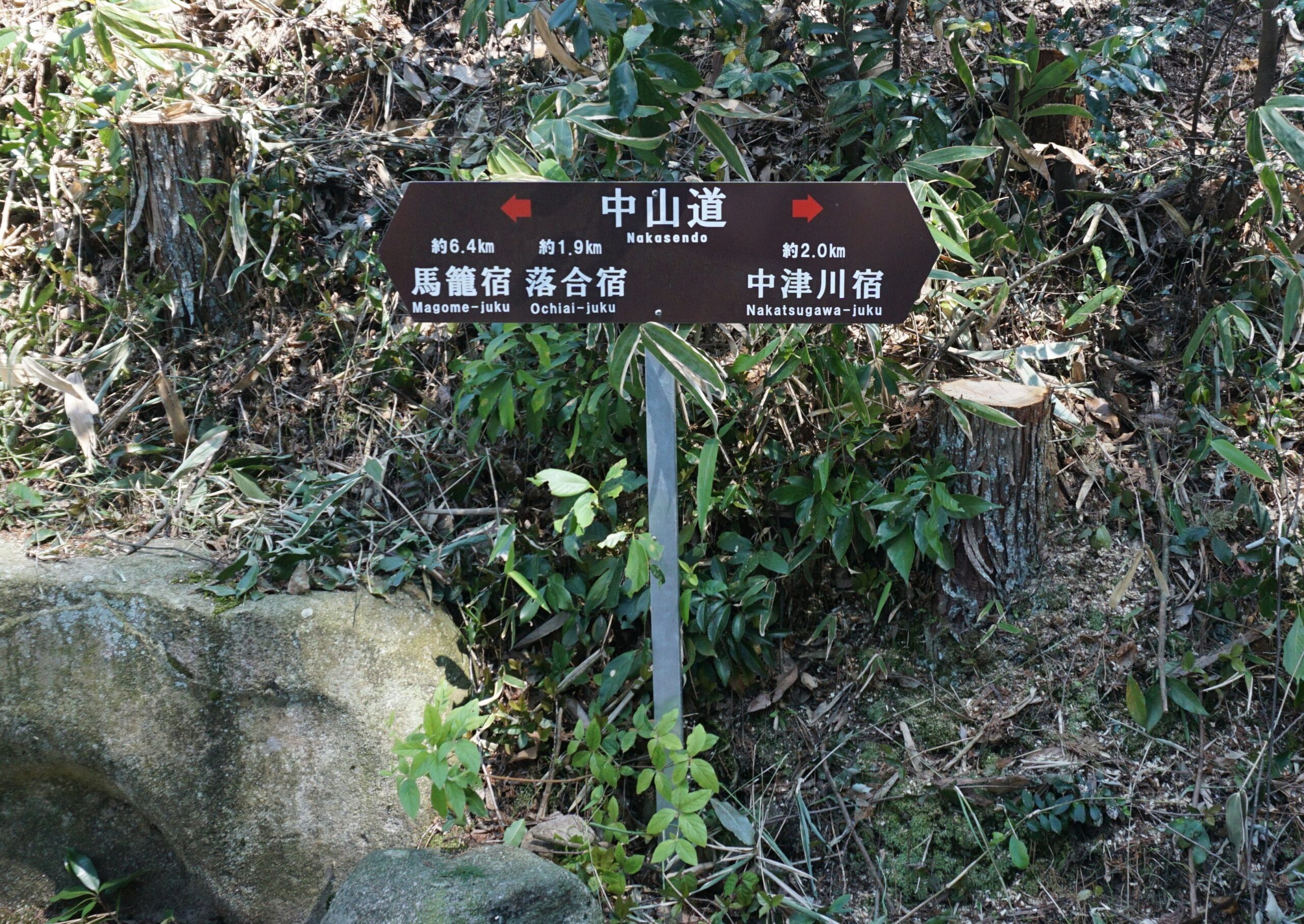
Is it “juku” or “shuku”? The kanji for post station, 宿, can be pronounced (and then transliterated into English) as either “juku” or “shuku” in Japanese, and you will see both varieties along the journey. These two transliterations are slightly… …more
-
Post stations
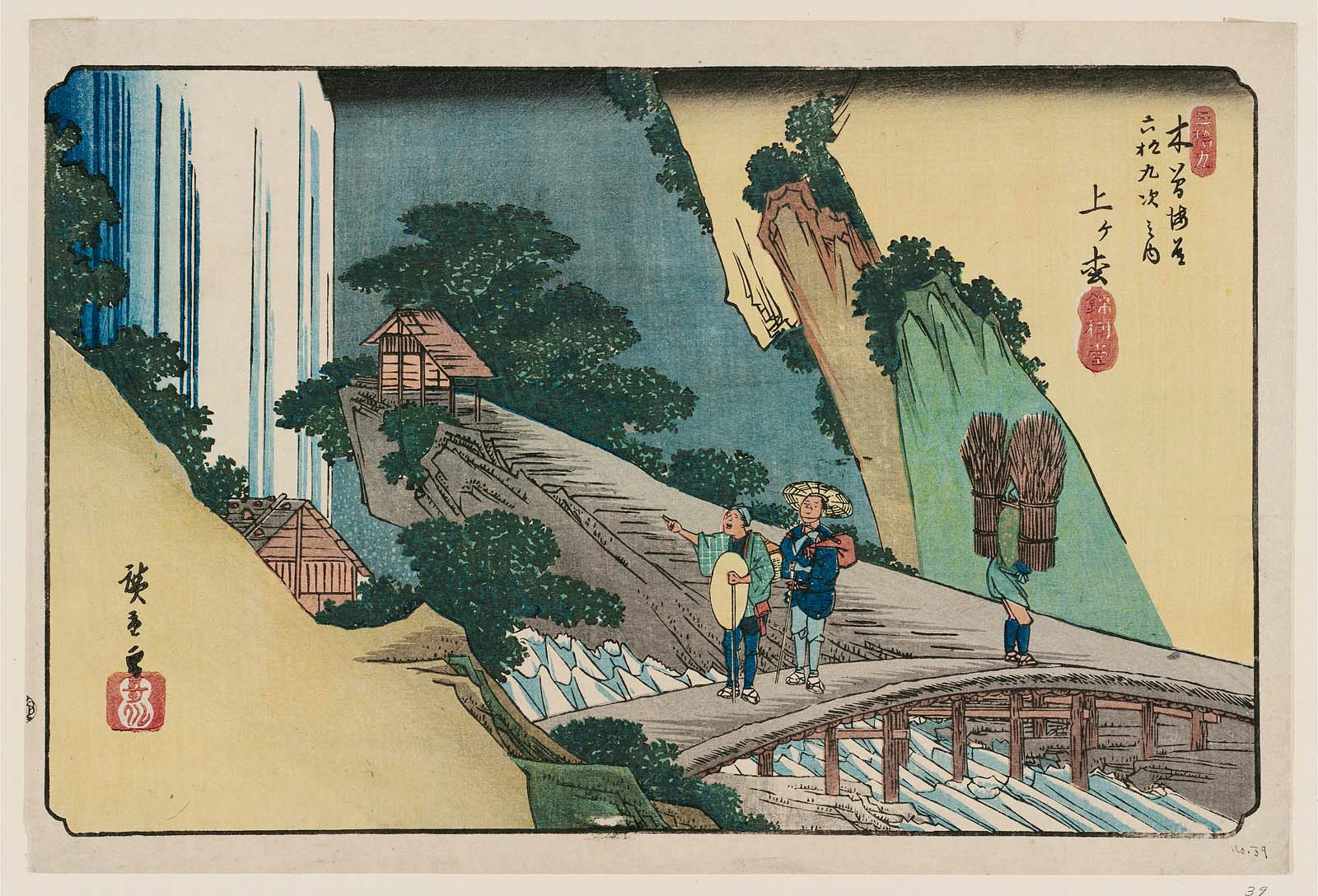
A shukuba, which can be translated to “post station”, or a “post town”, were mostly small towns or villages that served travellers along the road with places to eat, drink, rest, and to spend the night. They had a government… …more