Wada and Shiojiri
-
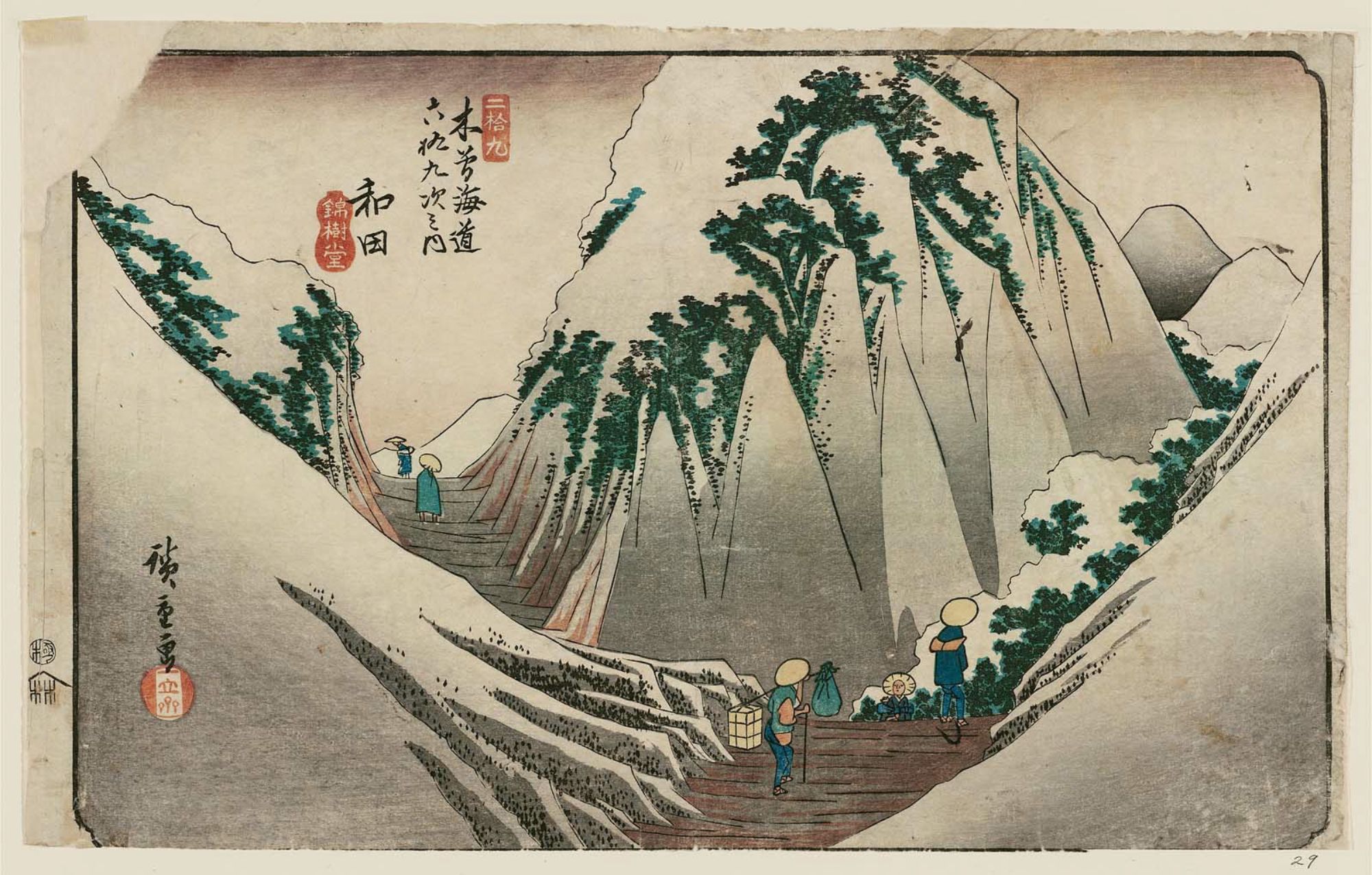
Sixty-nine Stations of the Kiso Kaidō
In the early to mid 19th century, the master artist Utagawa Hiroshige made a series of woodprints, ukiyo-e, of the 53 stations along the Tōkaidō road between Tokyo and Kyoto. In contrast to the Nakasendō, the Tōkaidō hugs the coast… …more
-
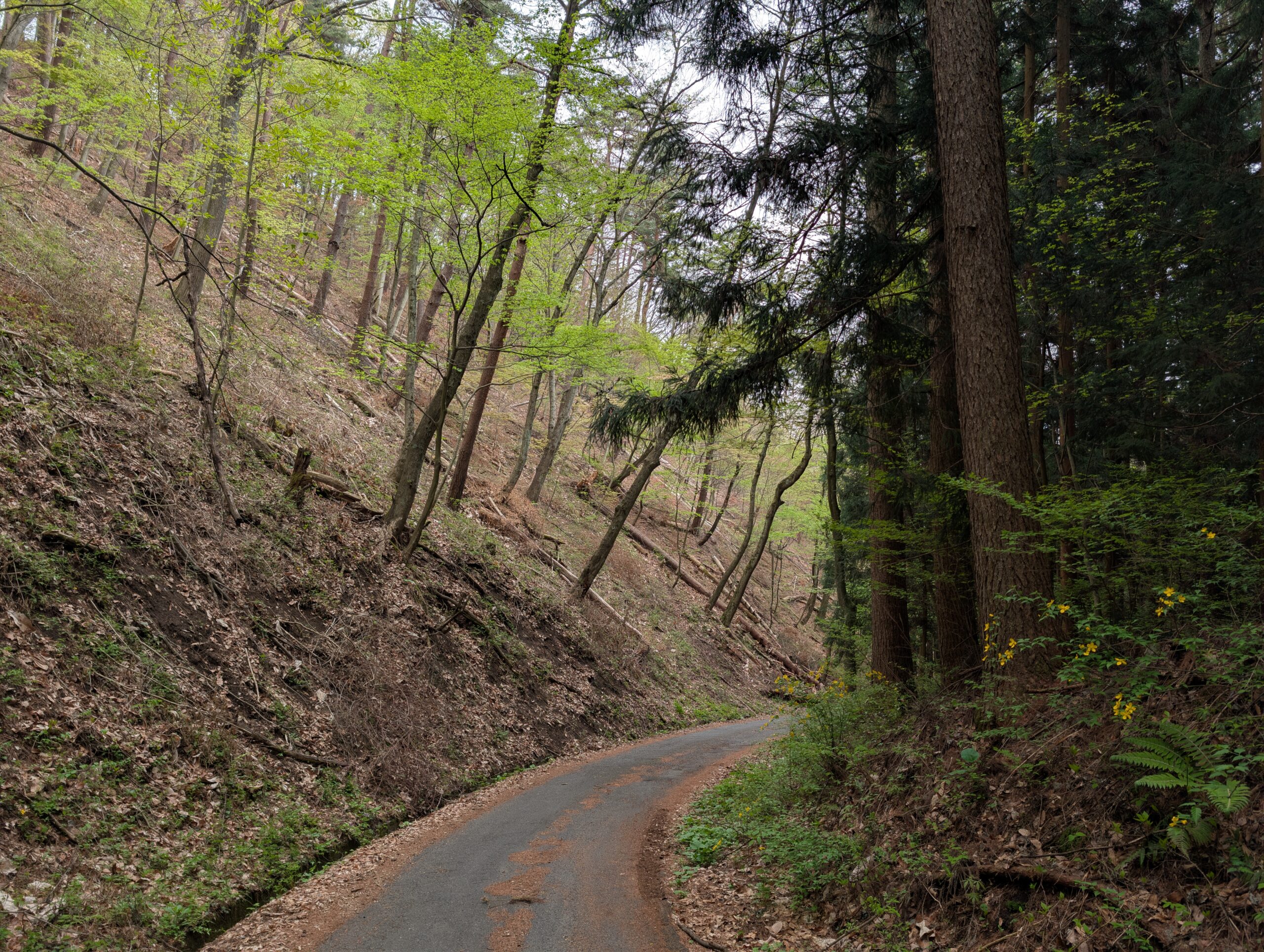
30. to 31. Shimosuwa to Shiojiri to Seba
Shimosuwa-shuku is an interesting place. It is situated right on the north shore of the rather large lake Suwa, and it has an utter abundance of natural hot springs. It even has so many hot springs that there are several… …more
-
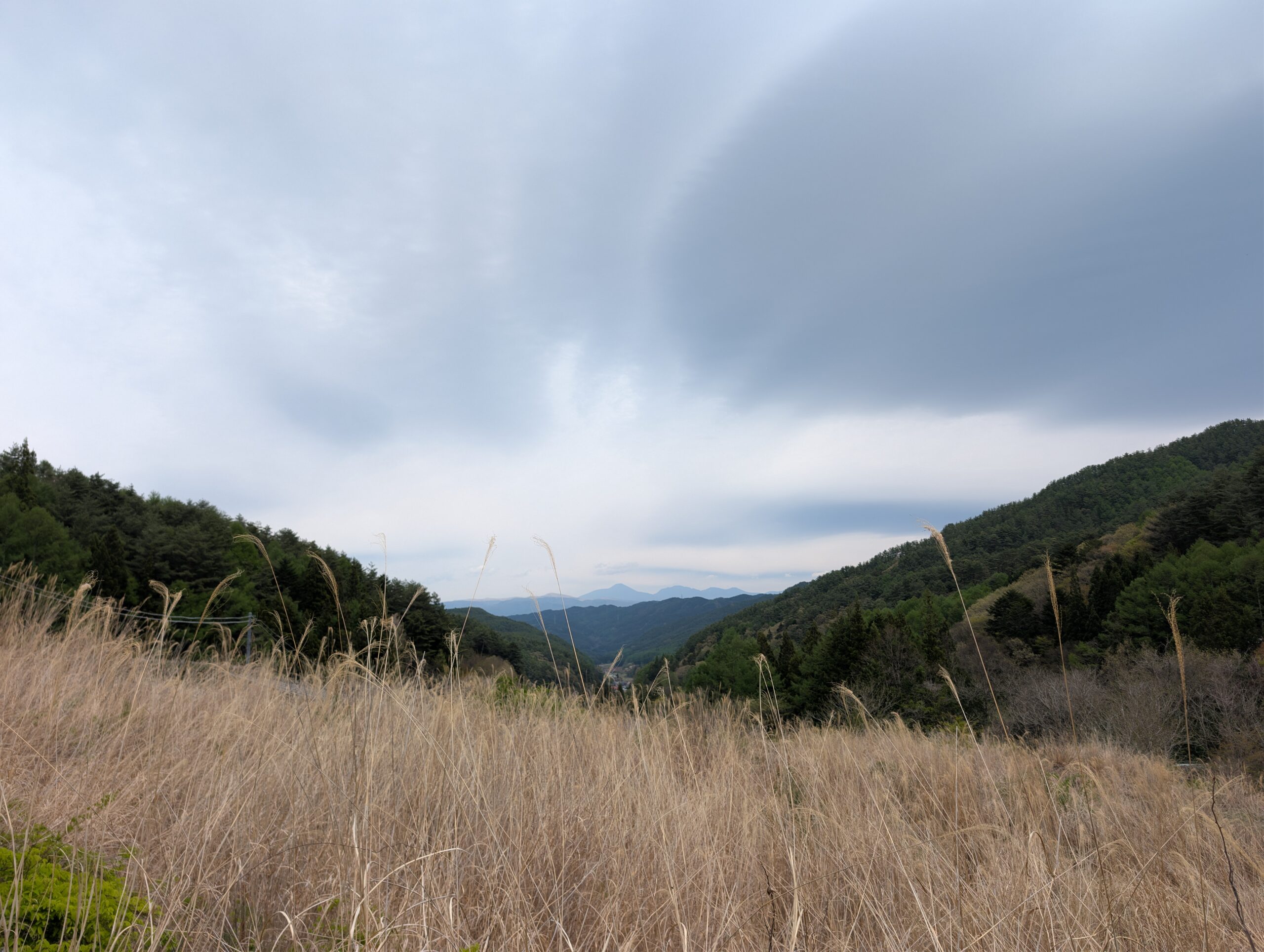
Interlude: The Early Nakasendō, 初期中山道
This day the hike didn’t go along the classical Nakasendō from Shimosuwa towards Shiojiri, but followed what is known as the Early Nakasendō. At the very start of the Tokugawa regime after the battles of Sekigahara in 1600, they started… …more
-
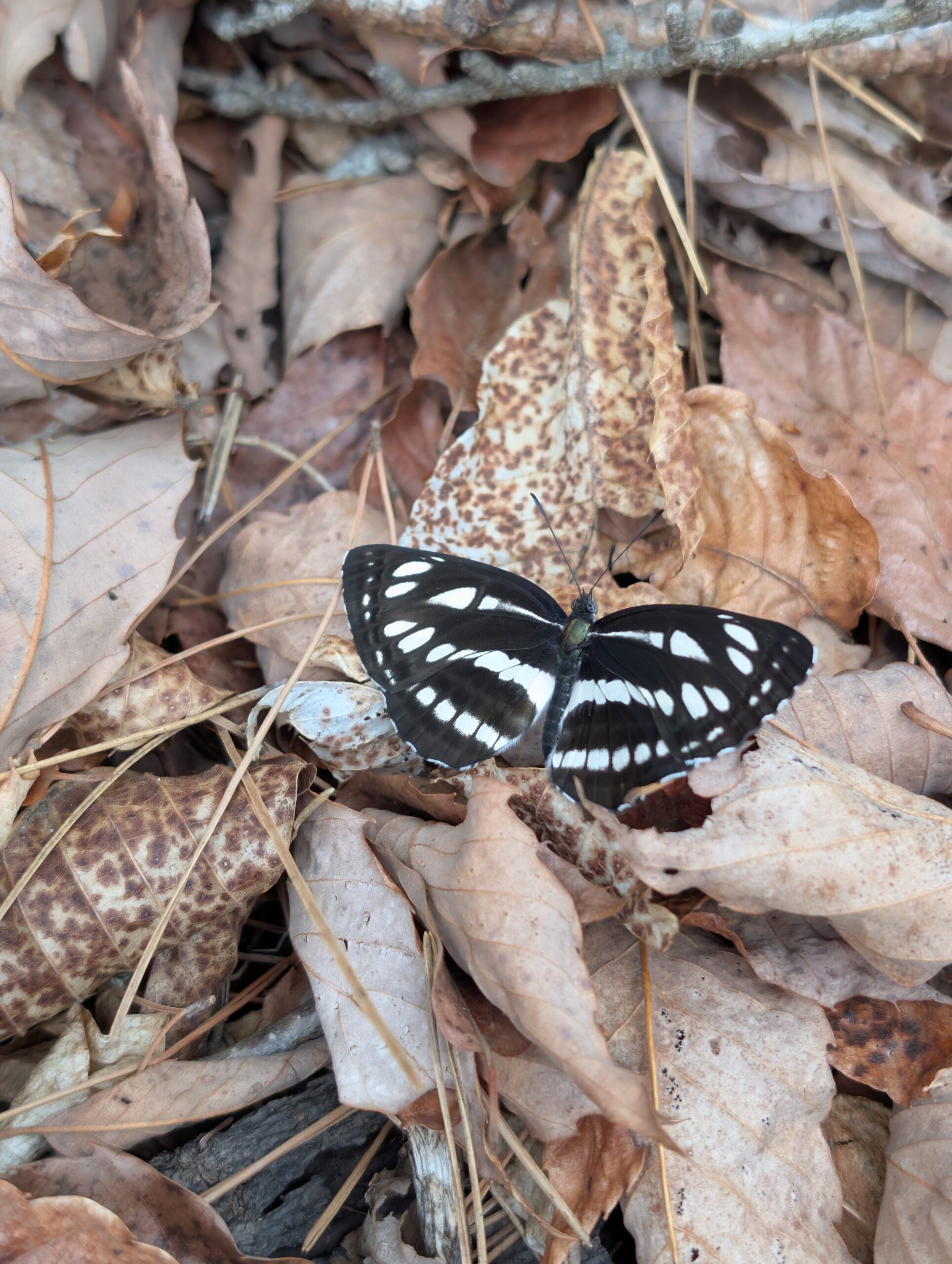
Moar wildlife
The hike today followed the Early Nakasendō instead of the “normal old Nakasendō”. There will be a post about that as well as usual, also explaining what the Early Nakasendō actually is. But these wild stretches of mountain roads I… …more
-
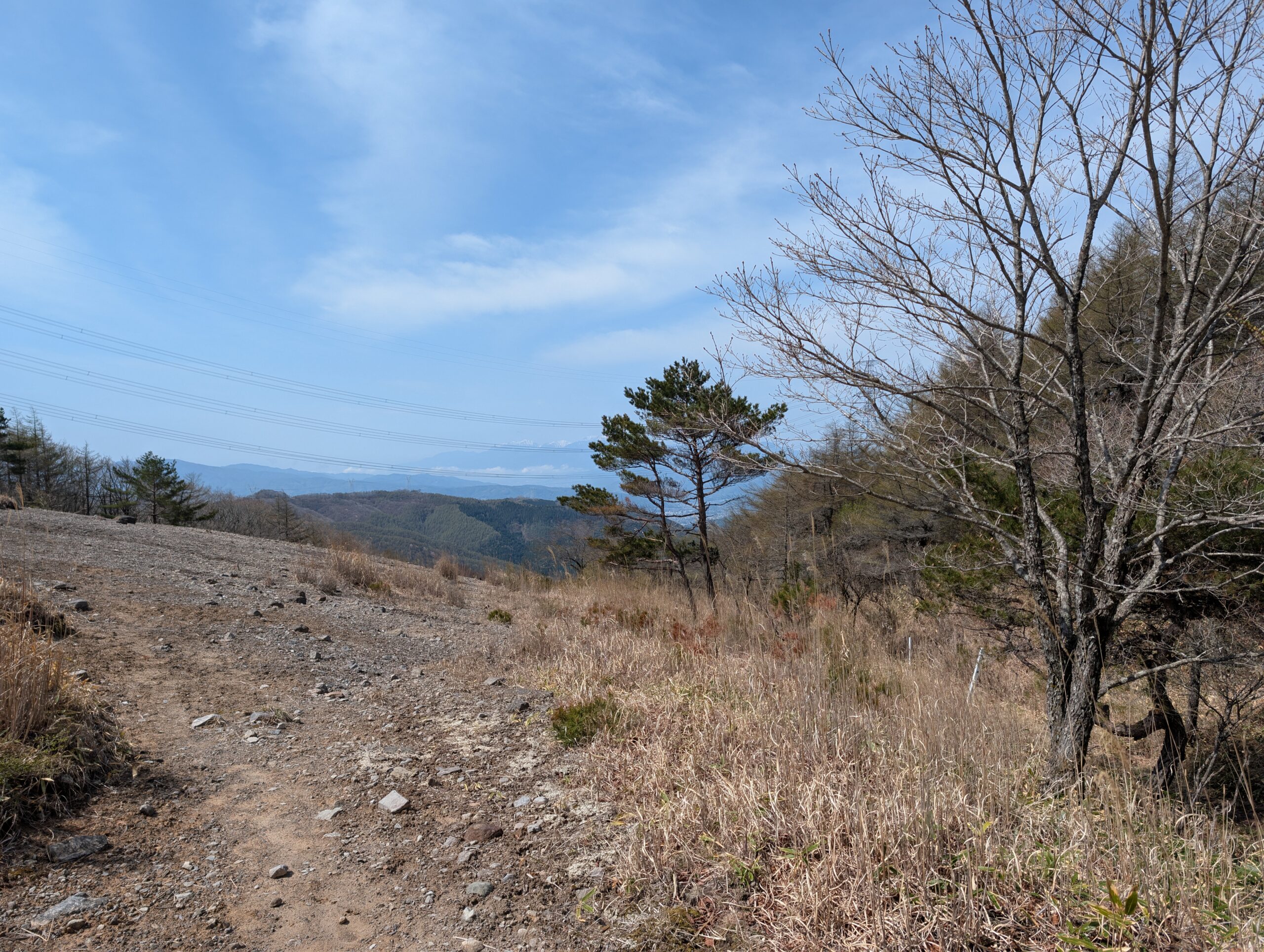
29. The Wada pass
The big one. The length of this leg is about 22 kilometres, but the pass itself is a gruelling hike uphill from Wada-shuku for almost 800 metres, and then down a bit more than 800 metres, reaching the post town… …more
-
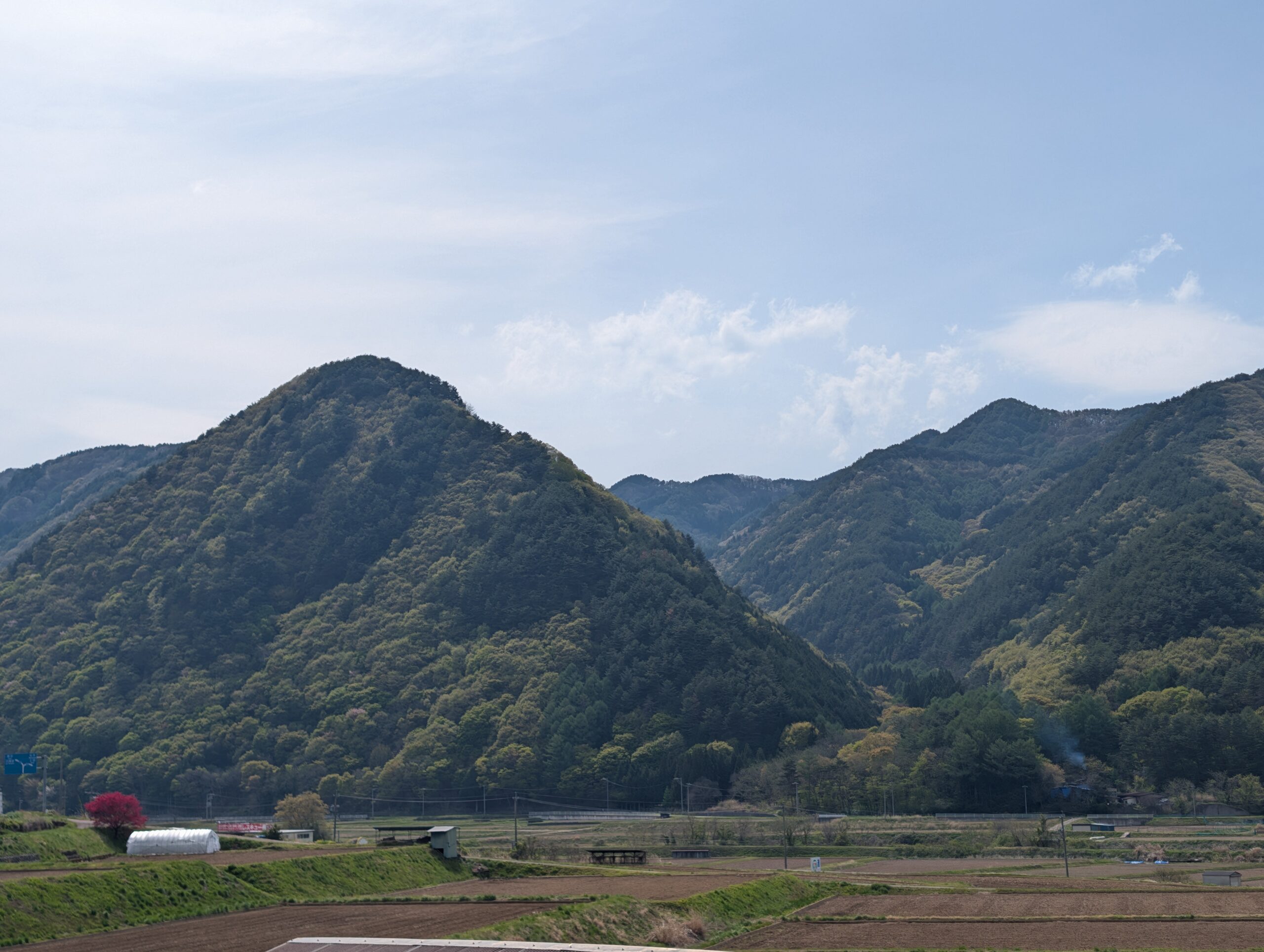
23. – 28. Iwamurada to Wada
This day stretched across several old post stations, from Iwamurada where I spent the night, via Shionada, Yawata, Mochizuki, Ashida, and Nagakubo before finally reaching Wada-shuku. While the distances between the post stations on the Higashi Shinshu Nakasendō is on… …more
-
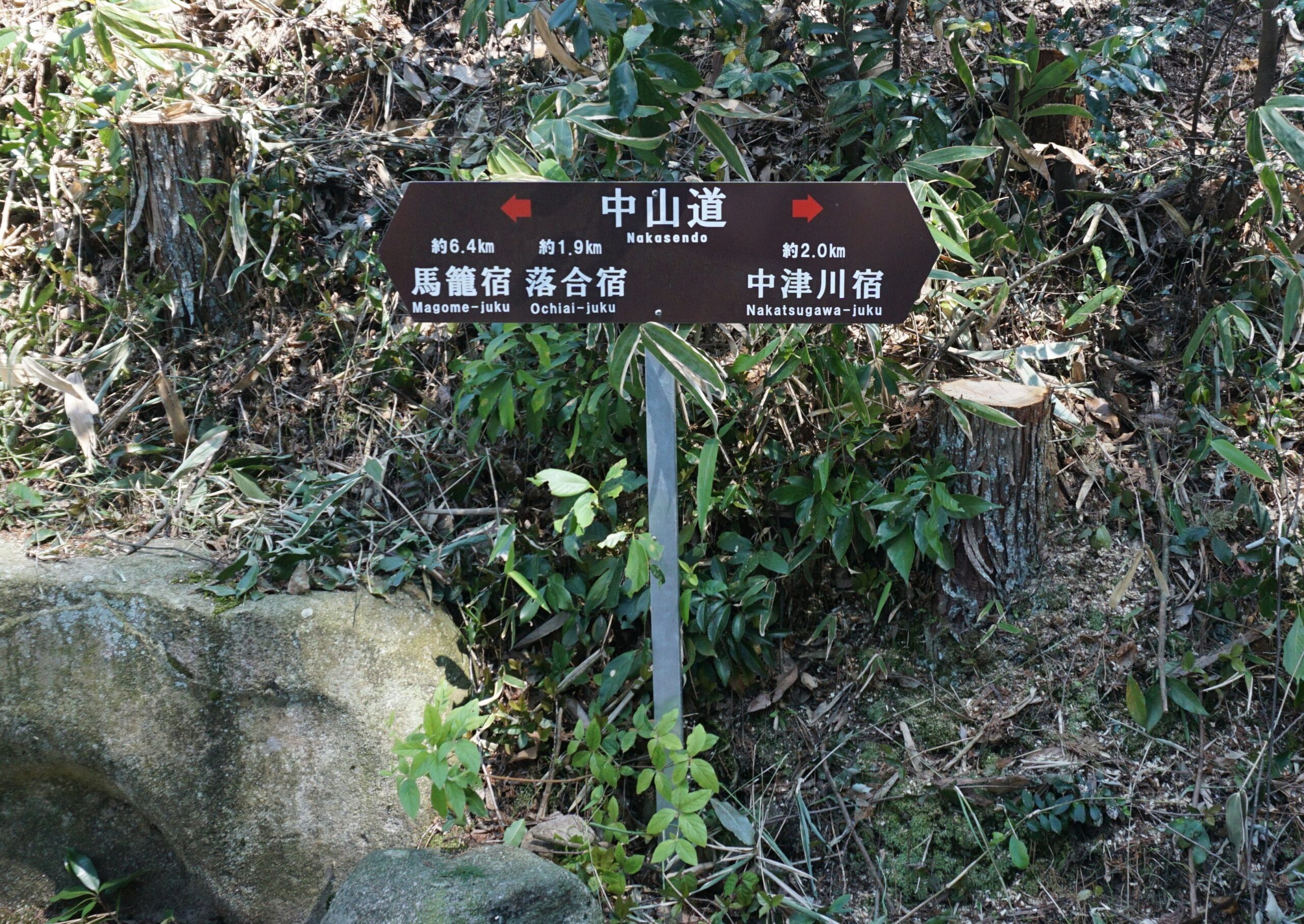
Transliterations
Is it “juku” or “shuku”? The kanji for post station, 宿, can be pronounced (and then transliterated into English) as either “juku” or “shuku” in Japanese, and you will see both varieties along the journey. These two transliterations are slightly… …more