This day crossed two minor mountain passes, the Imasu pass and the Surihara pass. Both were pretty tame compared to the backbreaking hikes across for instance the Usui or the Wada passes, but at least the Imasu pass was a real challenge during the Edo period. The distance between Sekigahara-juku and Imasu-juku which is where you cross that pass is a measly four kilometres. Both post towns were needed because travellers needed to rest and recuperate on both sides of the pass, and during months where snow was a risk, they could get stranded for very long periods of time. The mountains surrounding Mt. Ibuki to the north is known for providing prodigious amounts of snow at very short notice.
Leaving Sekigahara, the path touches on a lot of historical places from the battle of Sekigahara on the 21st of October, 1600. The battle itself was between the forces of the upstart Tokugawa Ieyasu, and those loyal to the very young Toyotomi Hideyori. The previous de-facto ruler of Japan, his father Toyotomi Hideyoshi who had managed to unify the country in a way, bungled the succession by being a paranoid freak, murdering people who were basically loyal to him. You can quote me on this in your historical essays, by the way. Ishida Mitsunari led the armies trying to quell the rebellious Tokugawa Ieyasu, and while there were some skirmishes preceding this battle, the main forces clashed on this particular day.
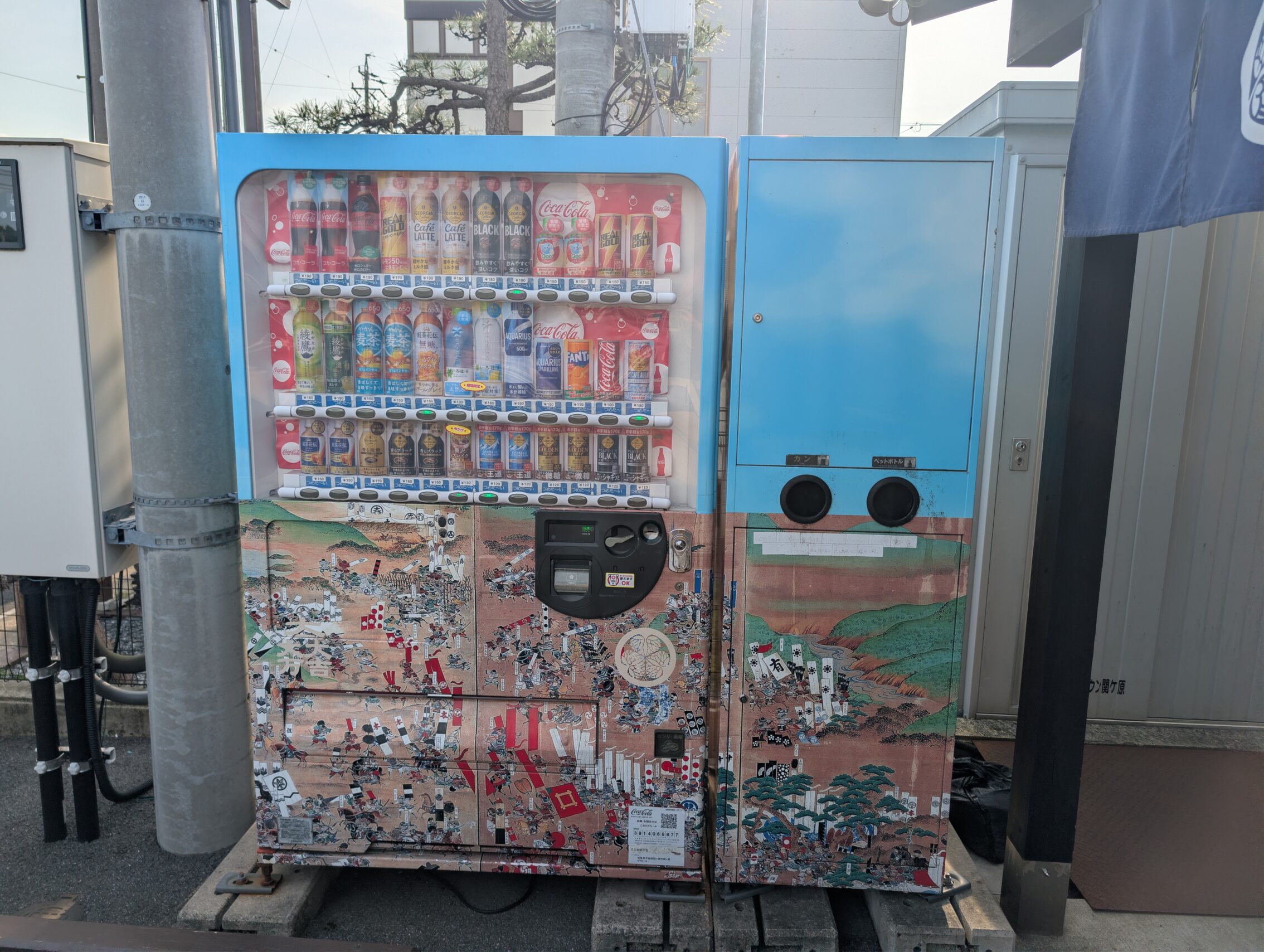
The fight was extremely bloody, even by modern standards, and an estimated 30 000 – 40 000 soldiers lost their lives on this single day. In comparison, during the bloodiest battles of World War II, for instance Stalingrad, Okinawa, and Operation Barbarossa and so on, the average loss of soldier lives during a day seem to top out at about a tenth of this. Of course, those campaigns and battles lasted sometimes for years, which this battle didn’t.
While there were further combat on later dates, especially the seige of Sawayama castle where Ishida Mitsunari had holed up after the devastating loss at Sekigahara, historians have seen this battle as decisive for winning the war for the future of Japan. It led to the Tokugawa clan ruling the country for over 250 years until the Meiji restoration in 1868.
As mentioned, there are a lot of battle memorials and historical places to visit in and around Sekigahara. However, many of these sites are no more than a patch of grass with a sign saying things like “this is where the forces of commander XYZ met the forces of commander ABC. Lots of people died”.
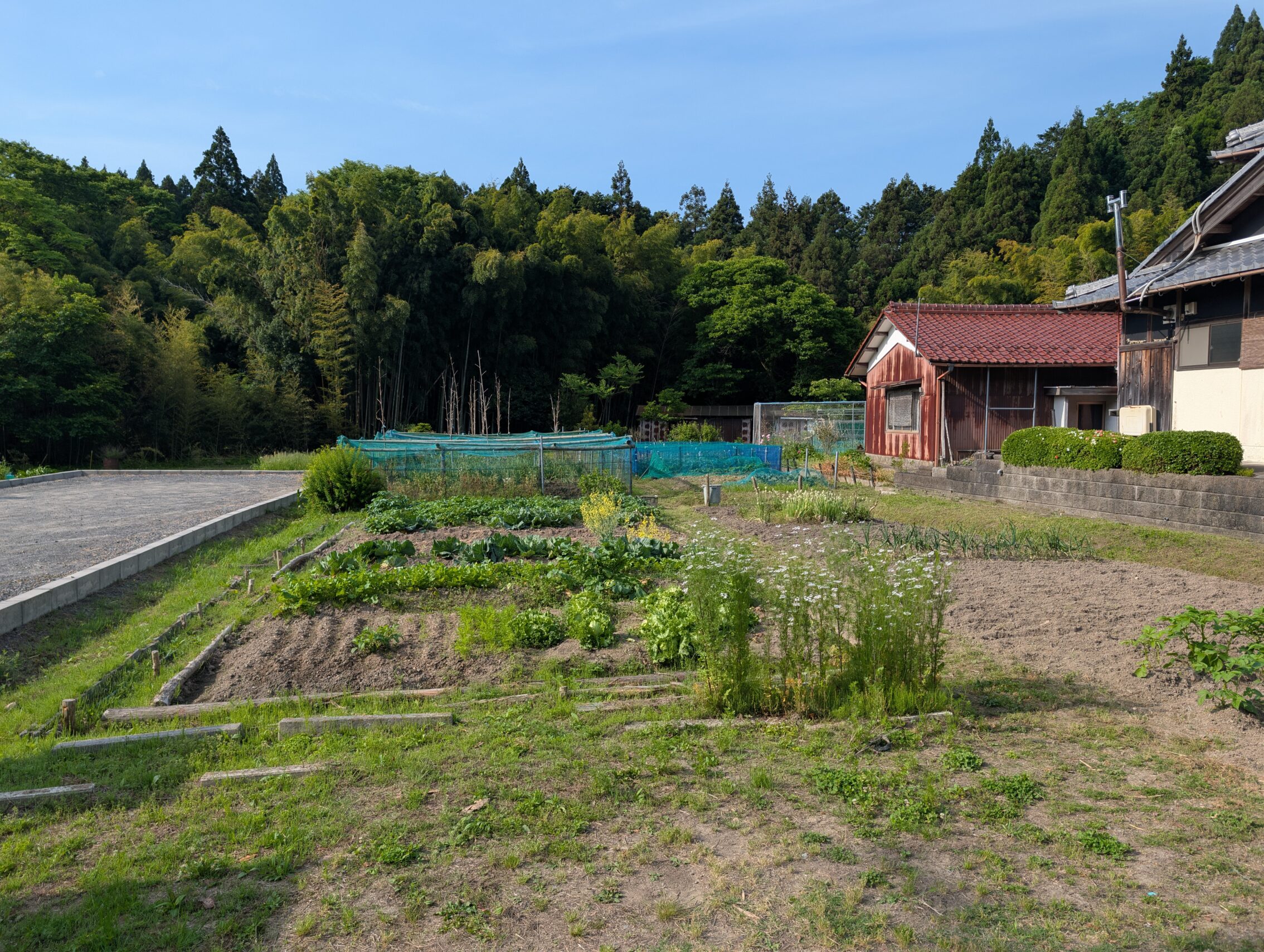
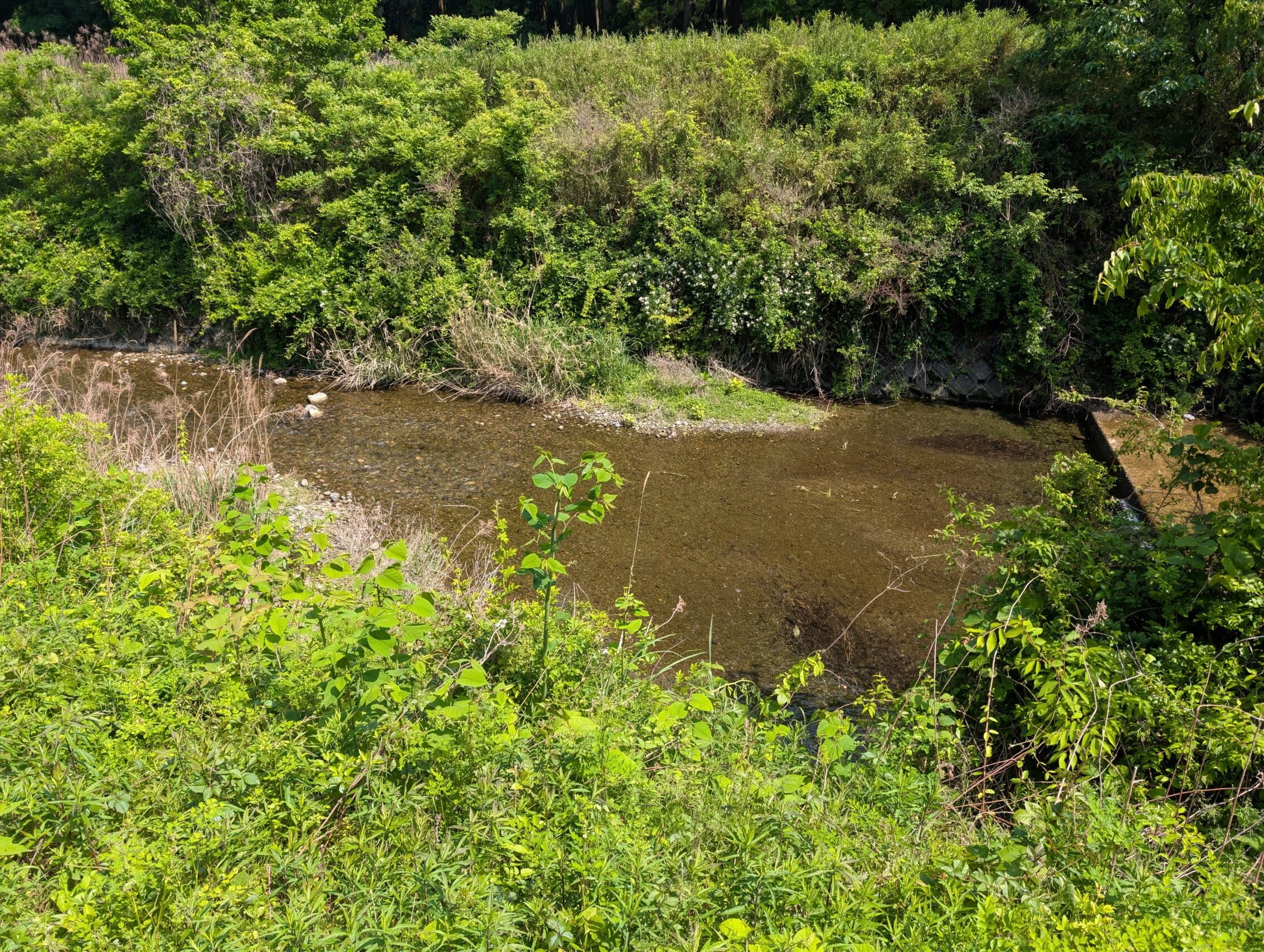
There is some stuff that lets you know just how awful this battle was, though. For instance, the Kurochigawa is a small river running trhough the area whose name means “black blood river”. It was named after the battle because of the countless bodies that had fallen nearby, which had coloured the stream black with blood.
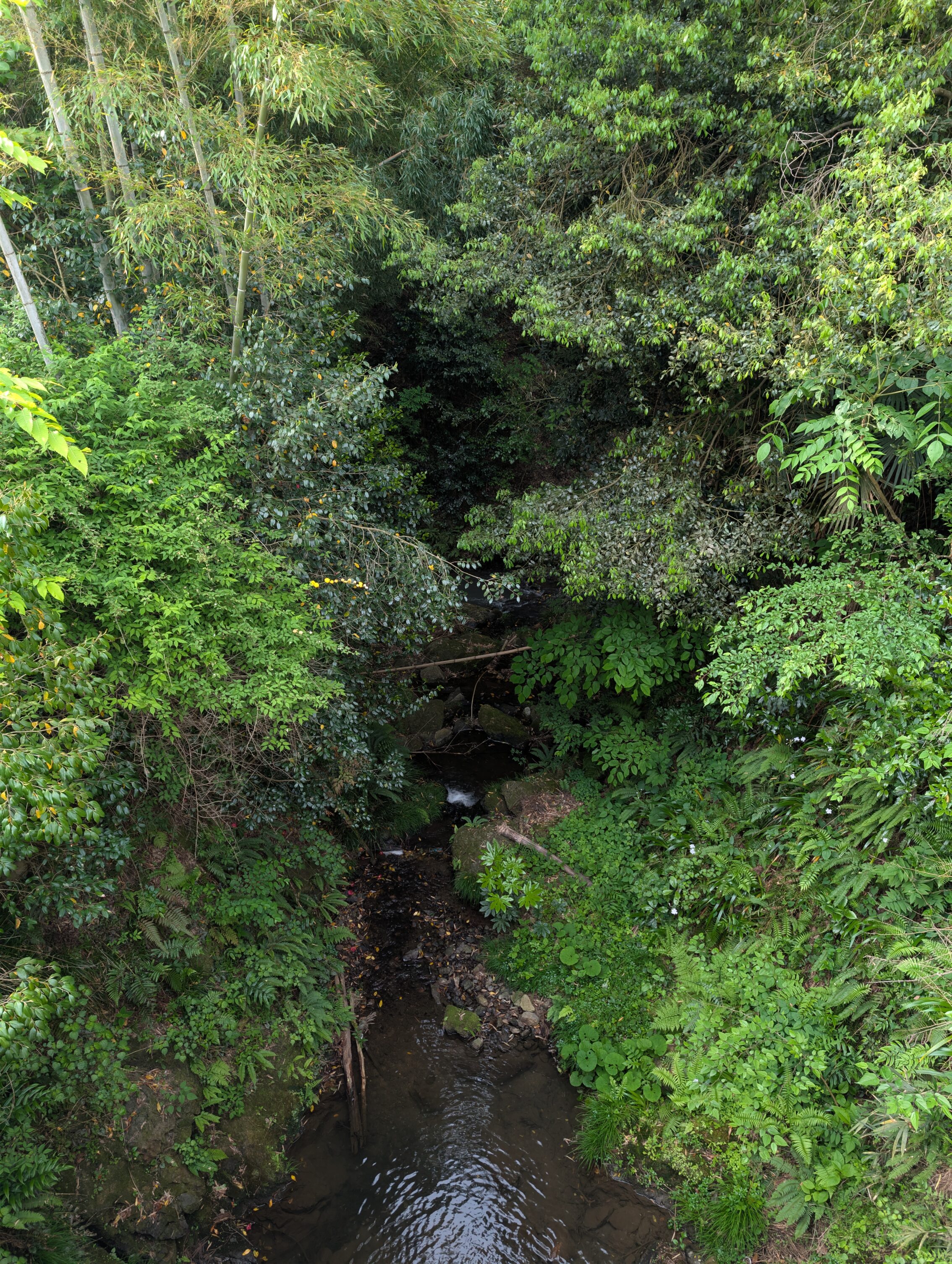
The Imasu-ichirizuka is a reconstruction, but is still very nice.
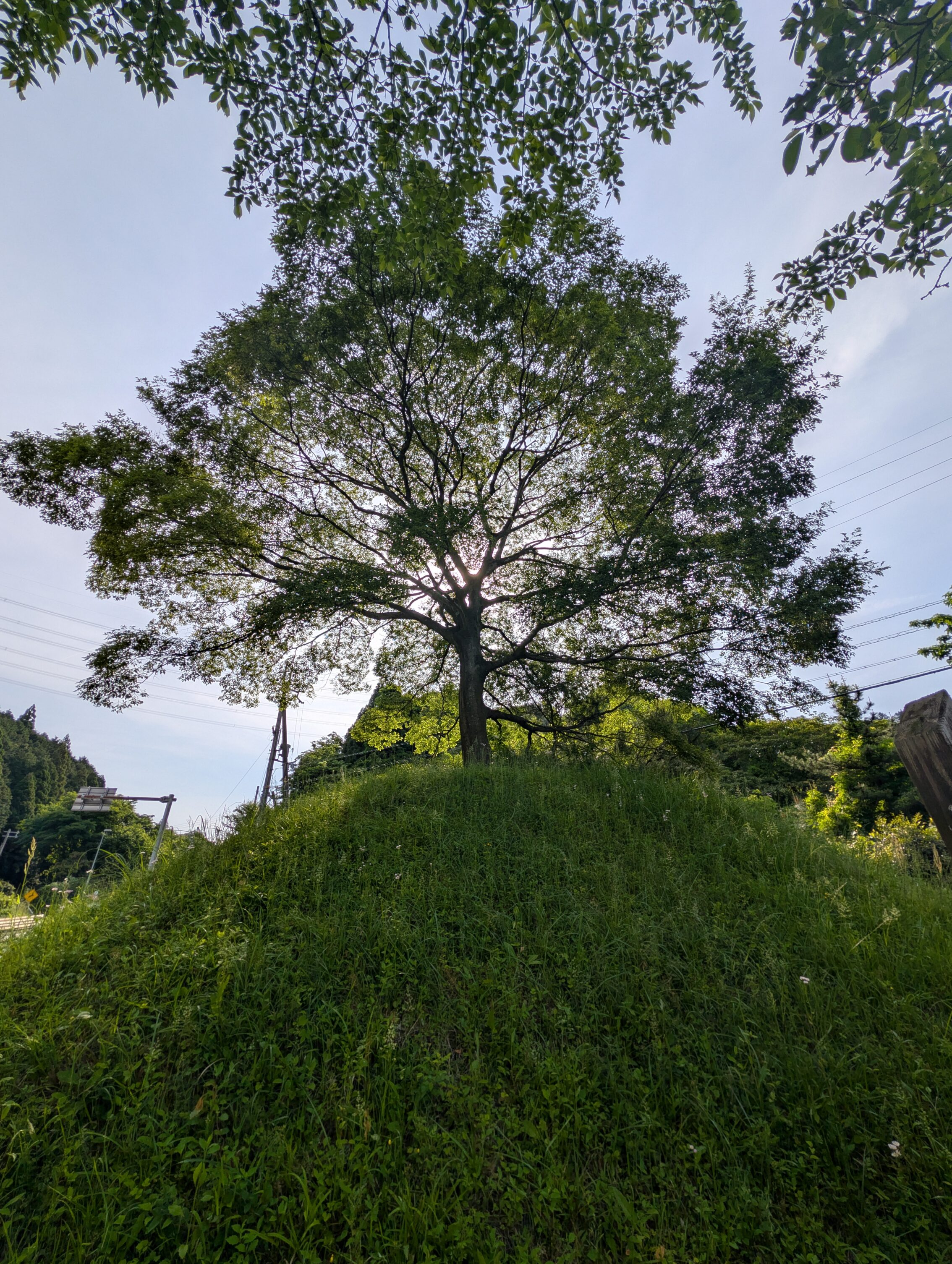
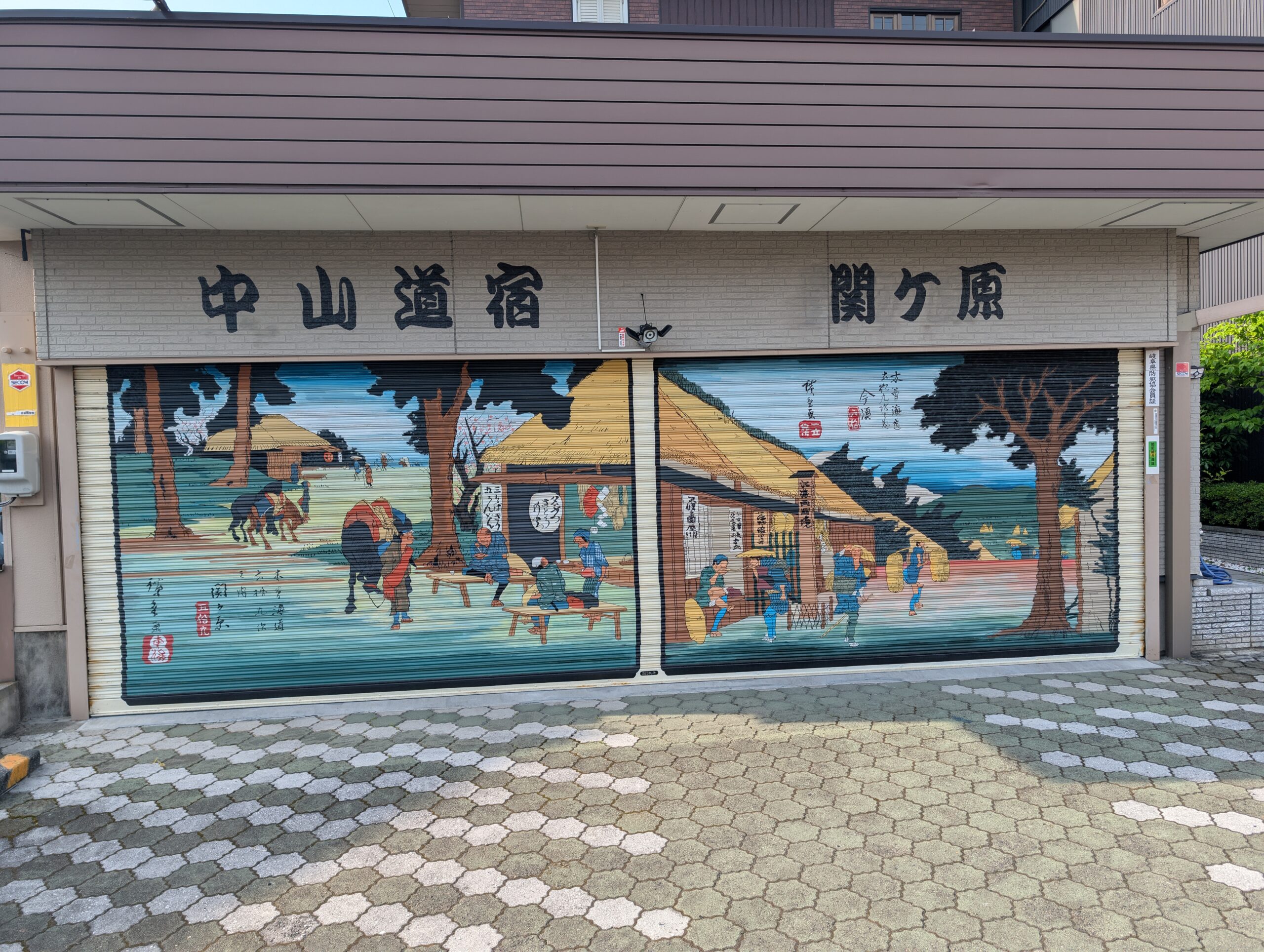
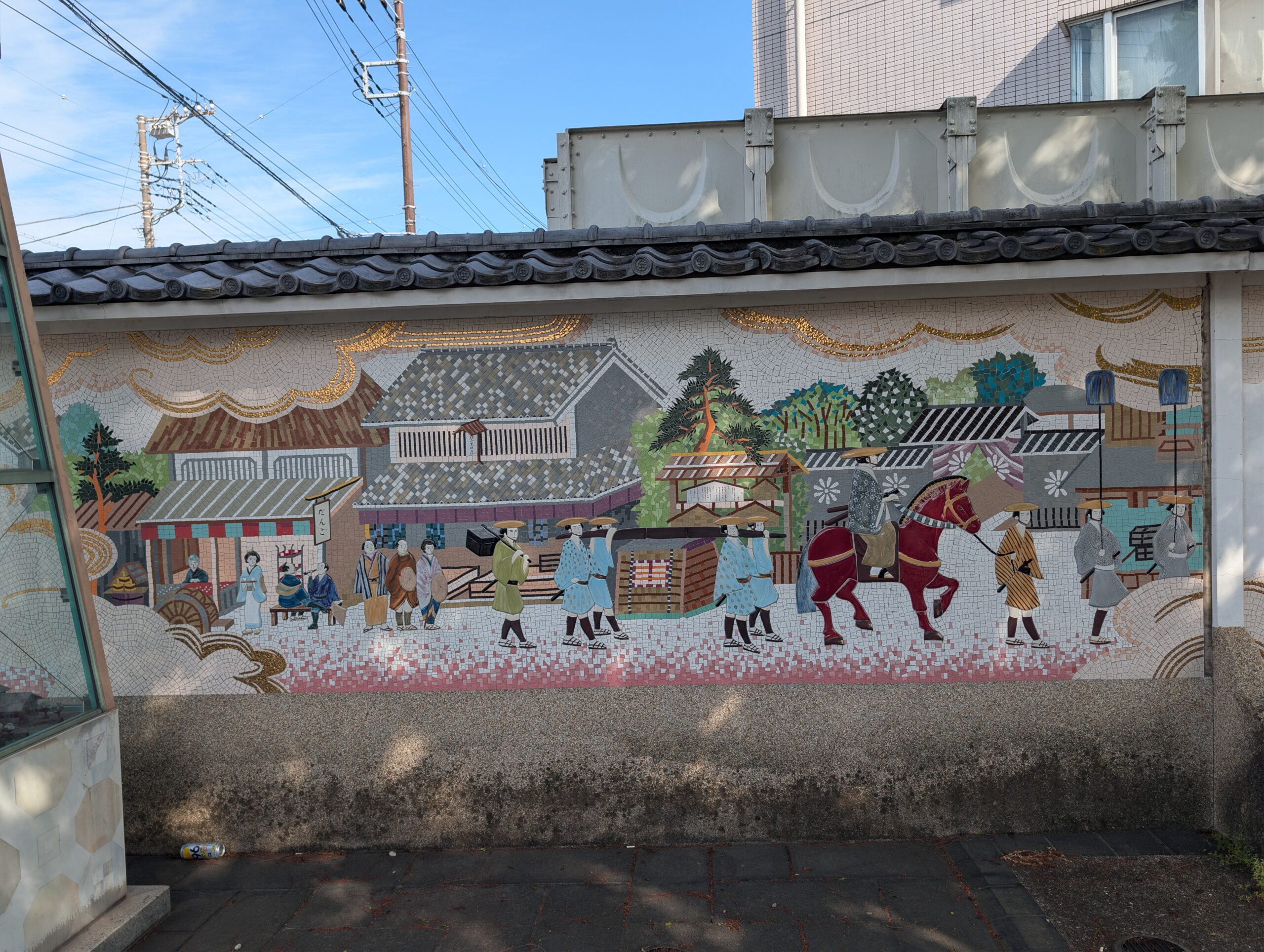
Entering Imasu-juku you are greeted by yet another garage door painting. The one at the top of this page is from Sekigahara-juku. This one depicts the ukiyo-e from Imasu-juku. Duh.
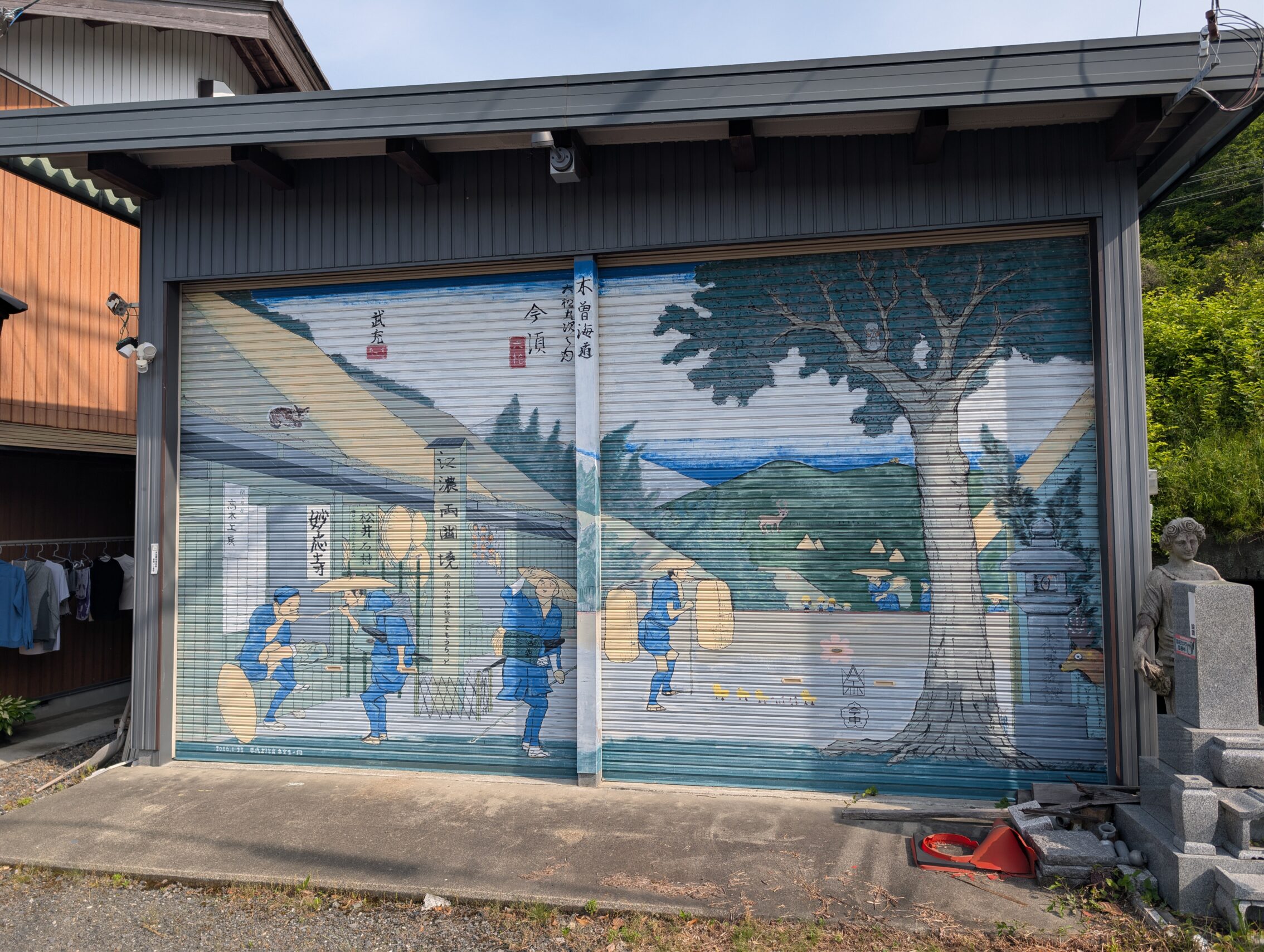
Here are a few more pictures from today’s hike:
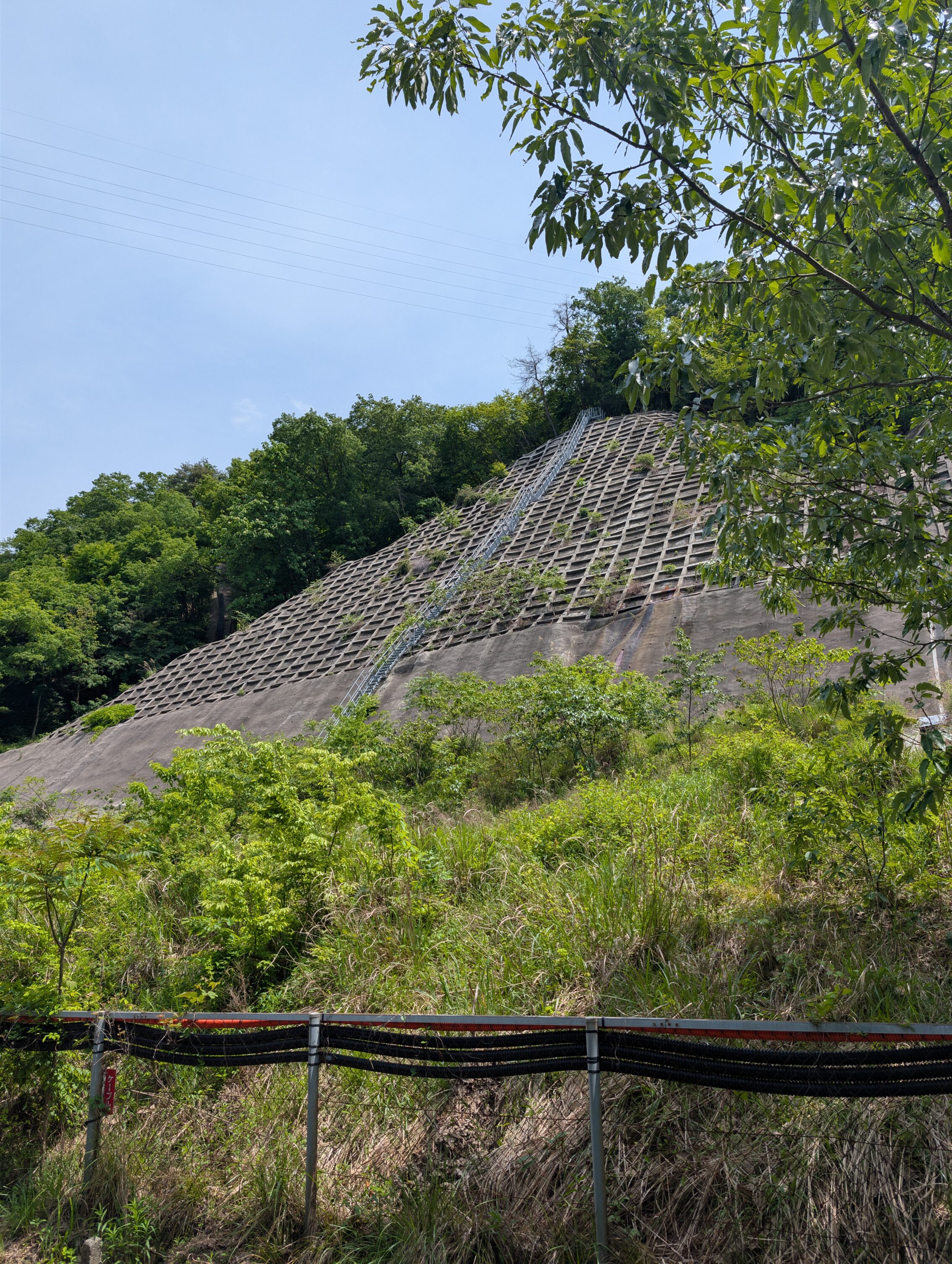
Yeah, I quit.
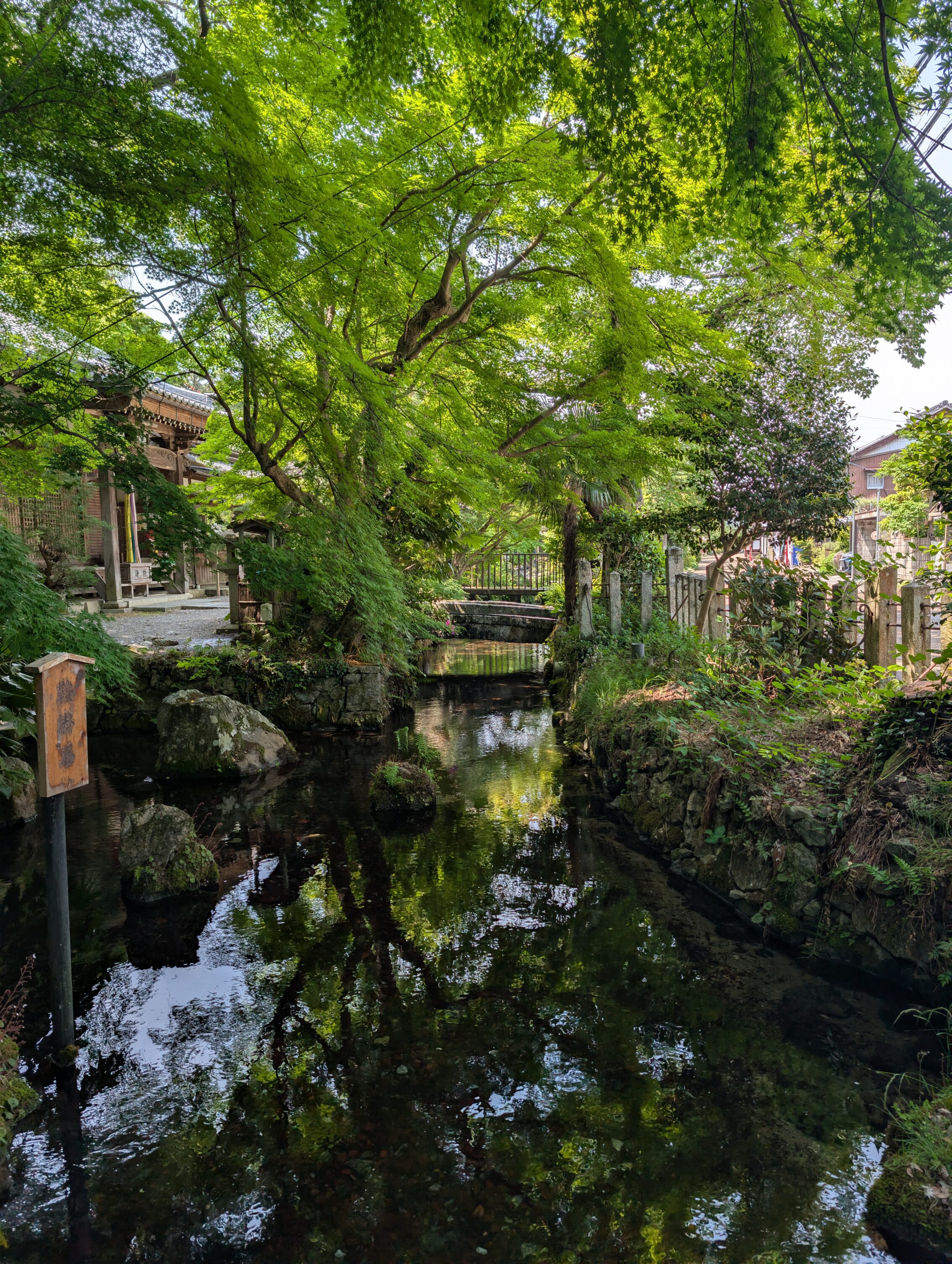
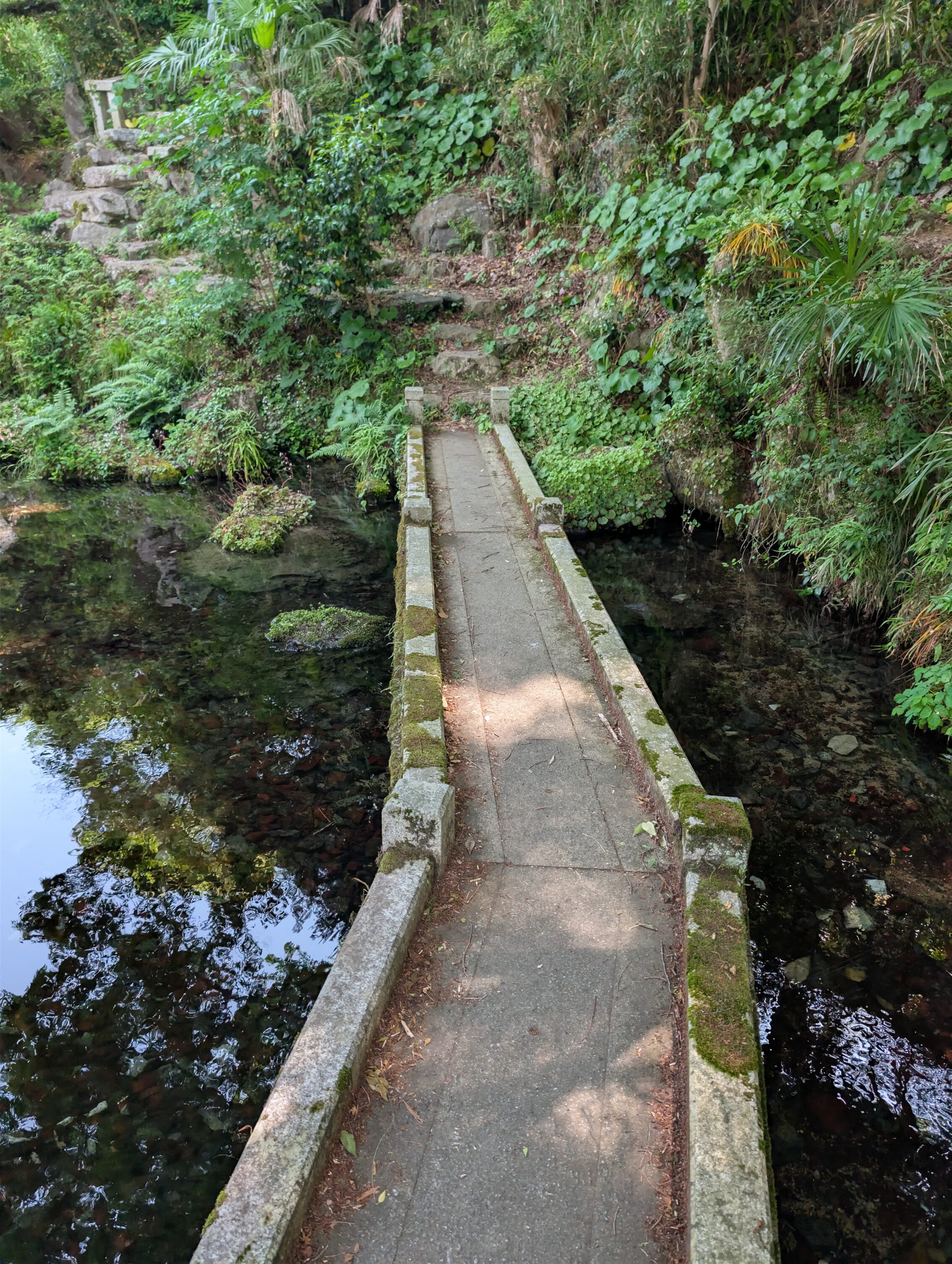
Samegai-juku sits right next to the Meishin expressway, a giant raised motorway. Fortunately, that road has been incapsulated and sound-proofed enough so it’s hardly noticable! Also, the post town itself is fantastic with the Jizo river/stream running along its whole length!
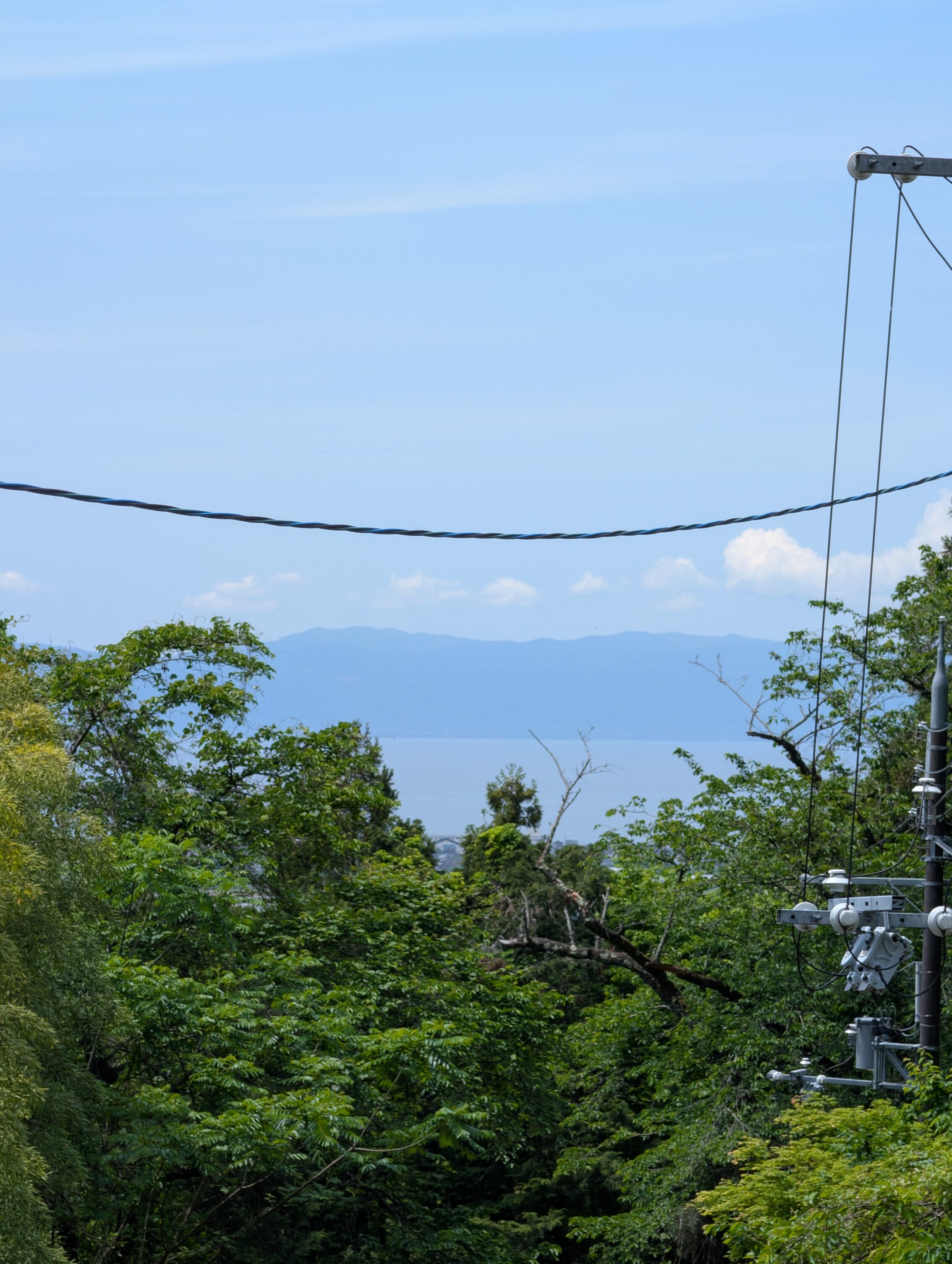
The top of the Surihari pass has a lovely view.
Milestones passed today
The Imasu ichirizuka
The Kashiwabara ichirizuka
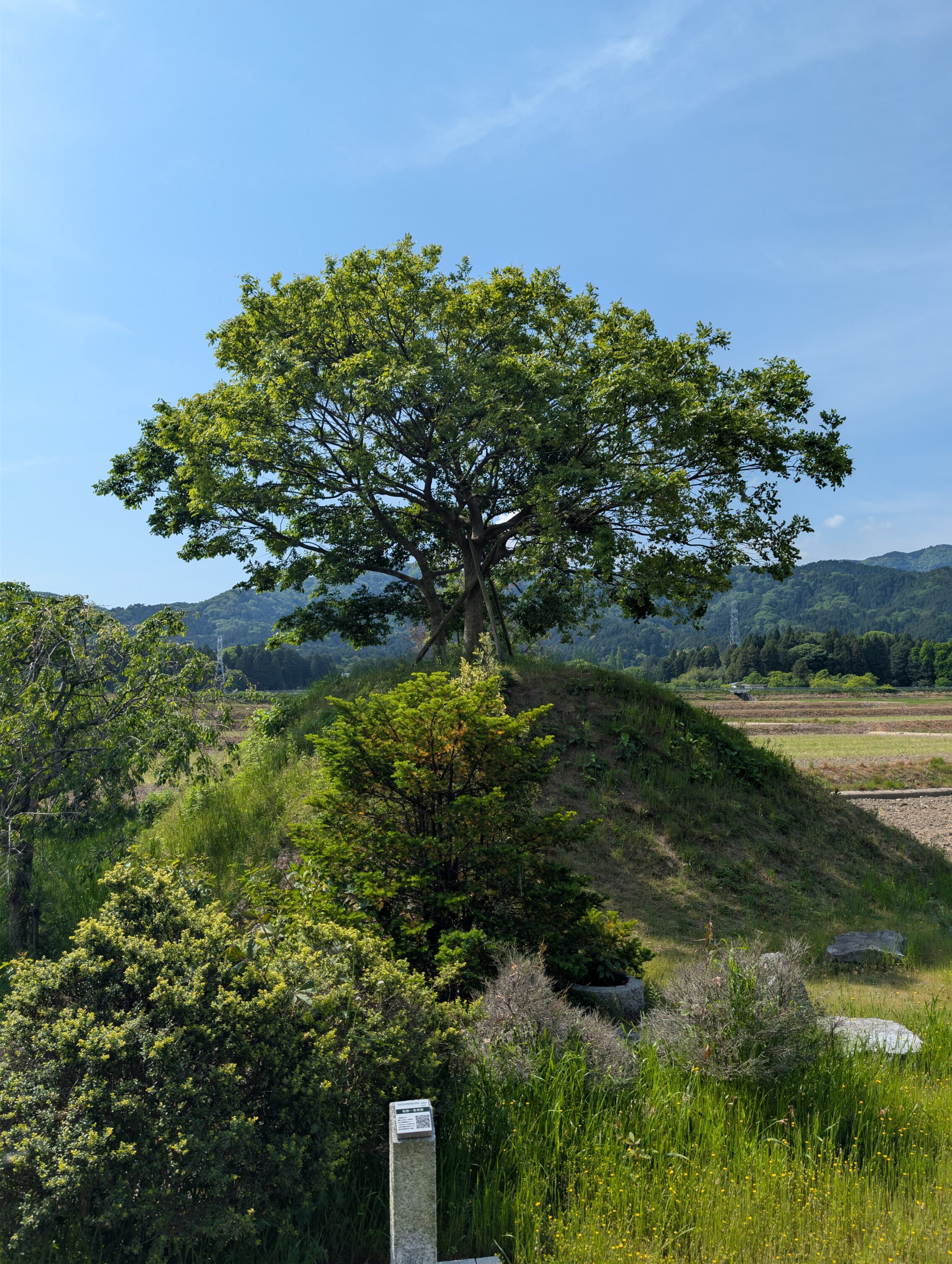
The Isshiki ichirizuka
The Kurei ichirizuka
The Surihari ichirizuka
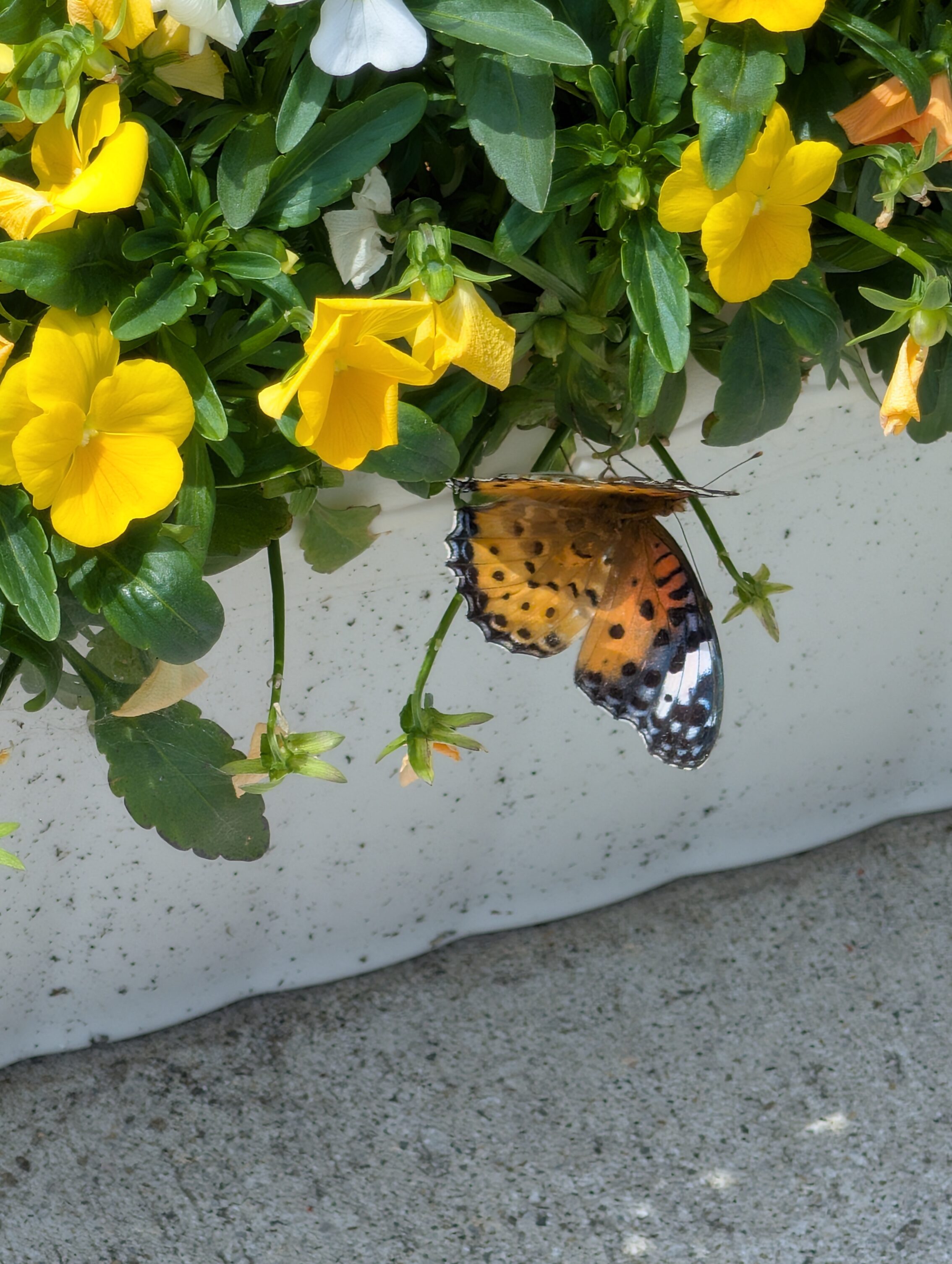
I also saw a lot of butterflies, this one for instance.
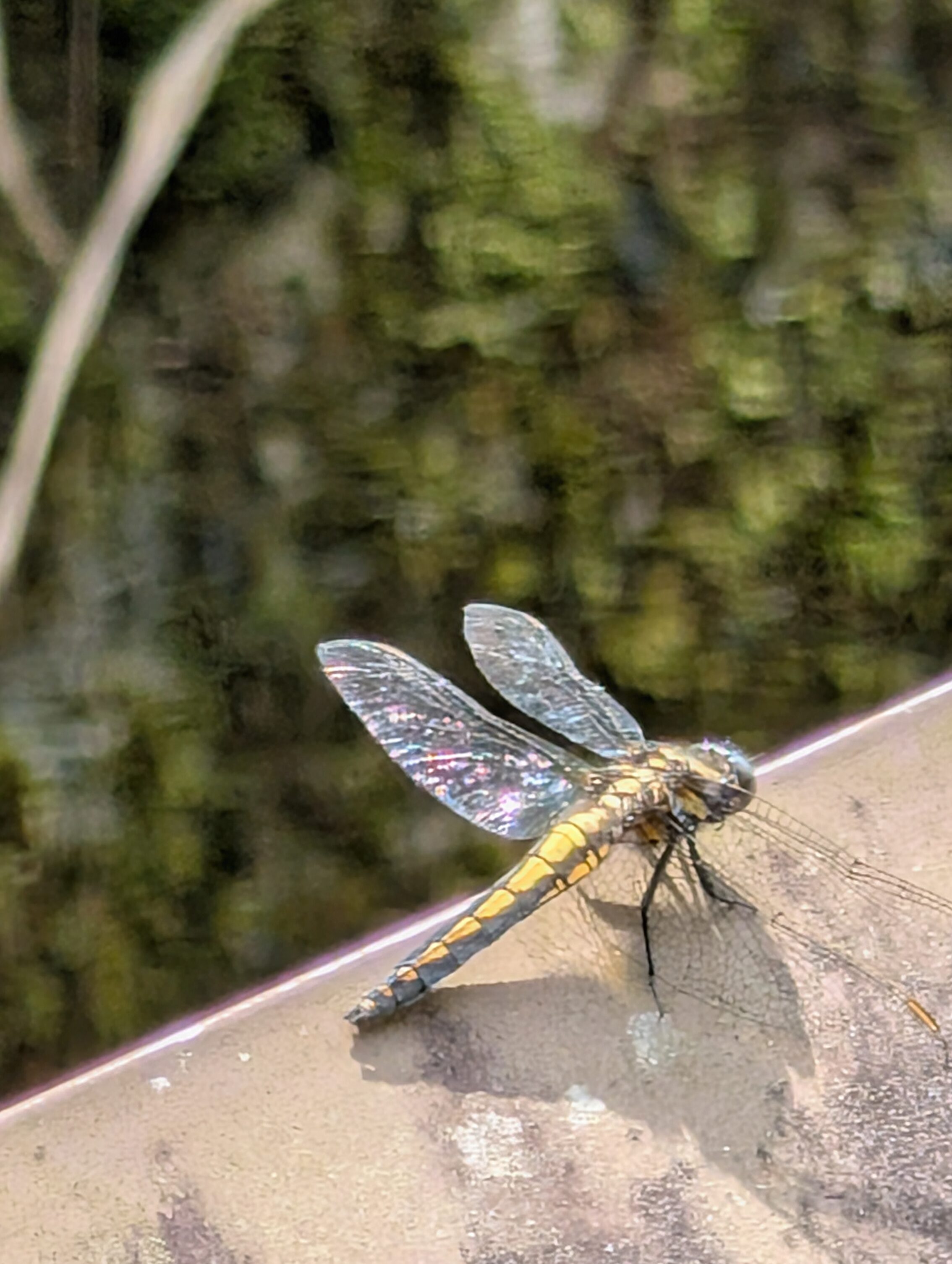
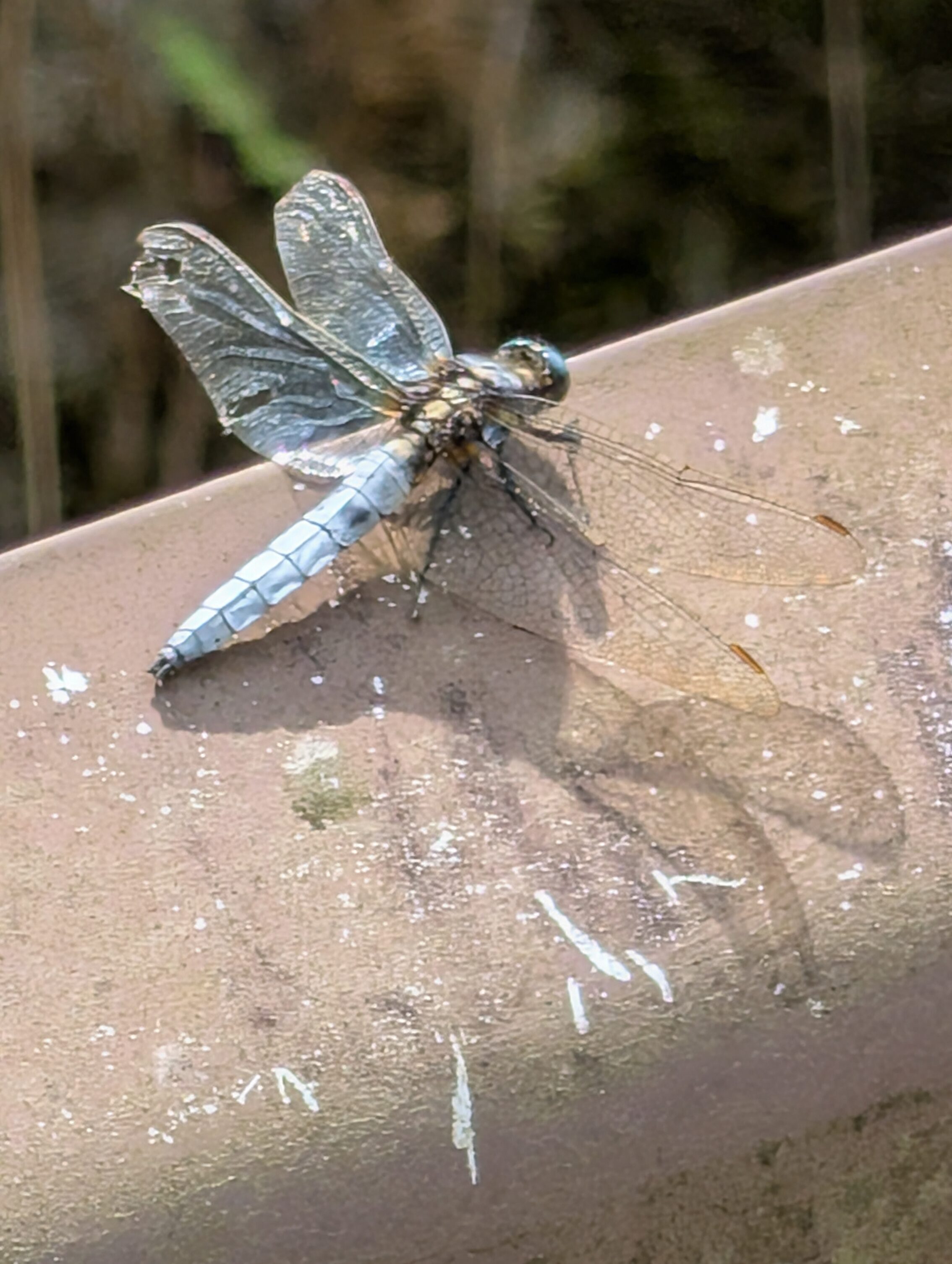
Also, some kinds of dragonflies, or damselflies. I don’t know the difference between those, but I’m sure that there are scores of entomologists just waiting for a chance at telling me!
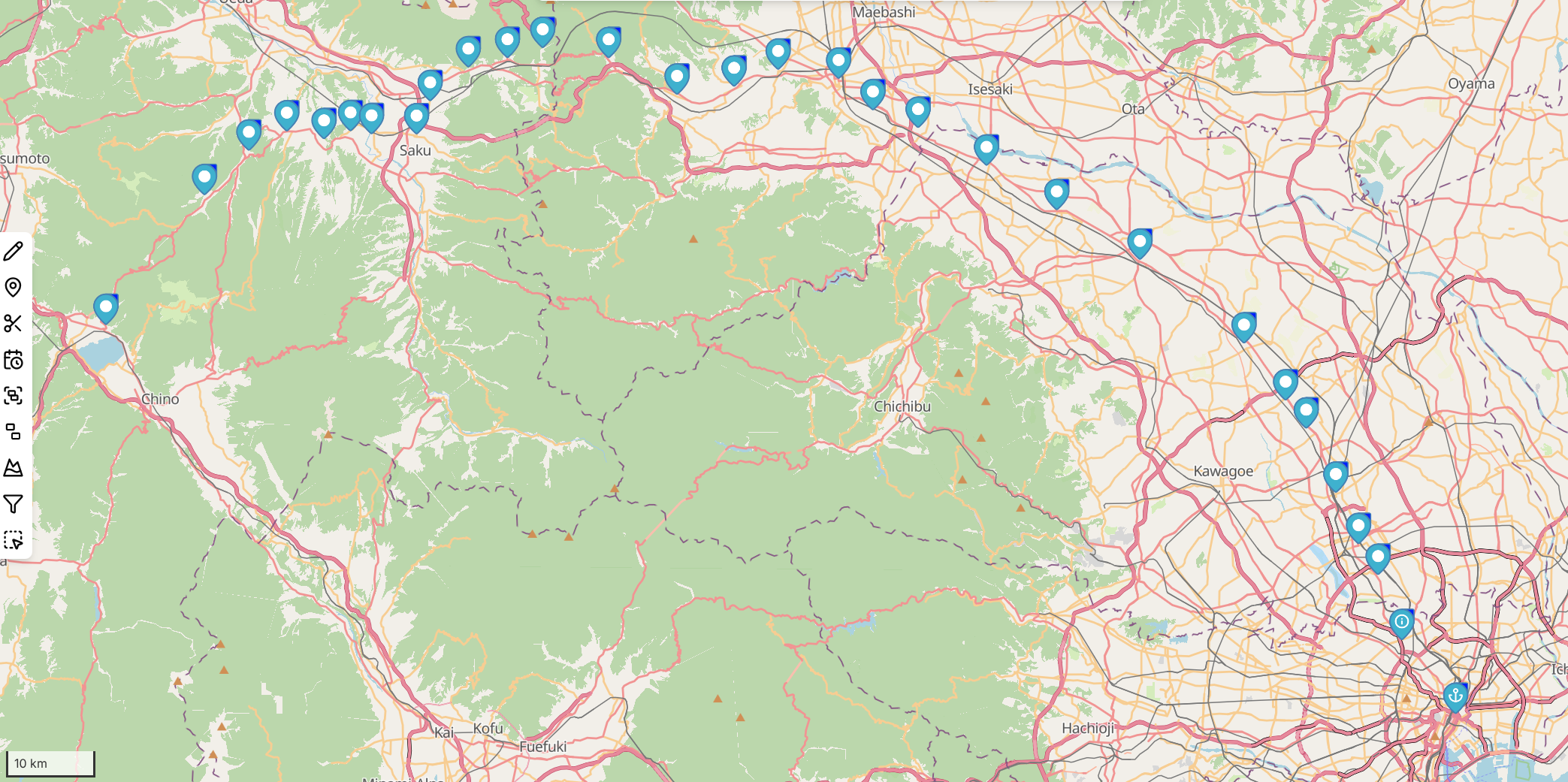
Map distance: 24.4 km
App distance: 26.8 km
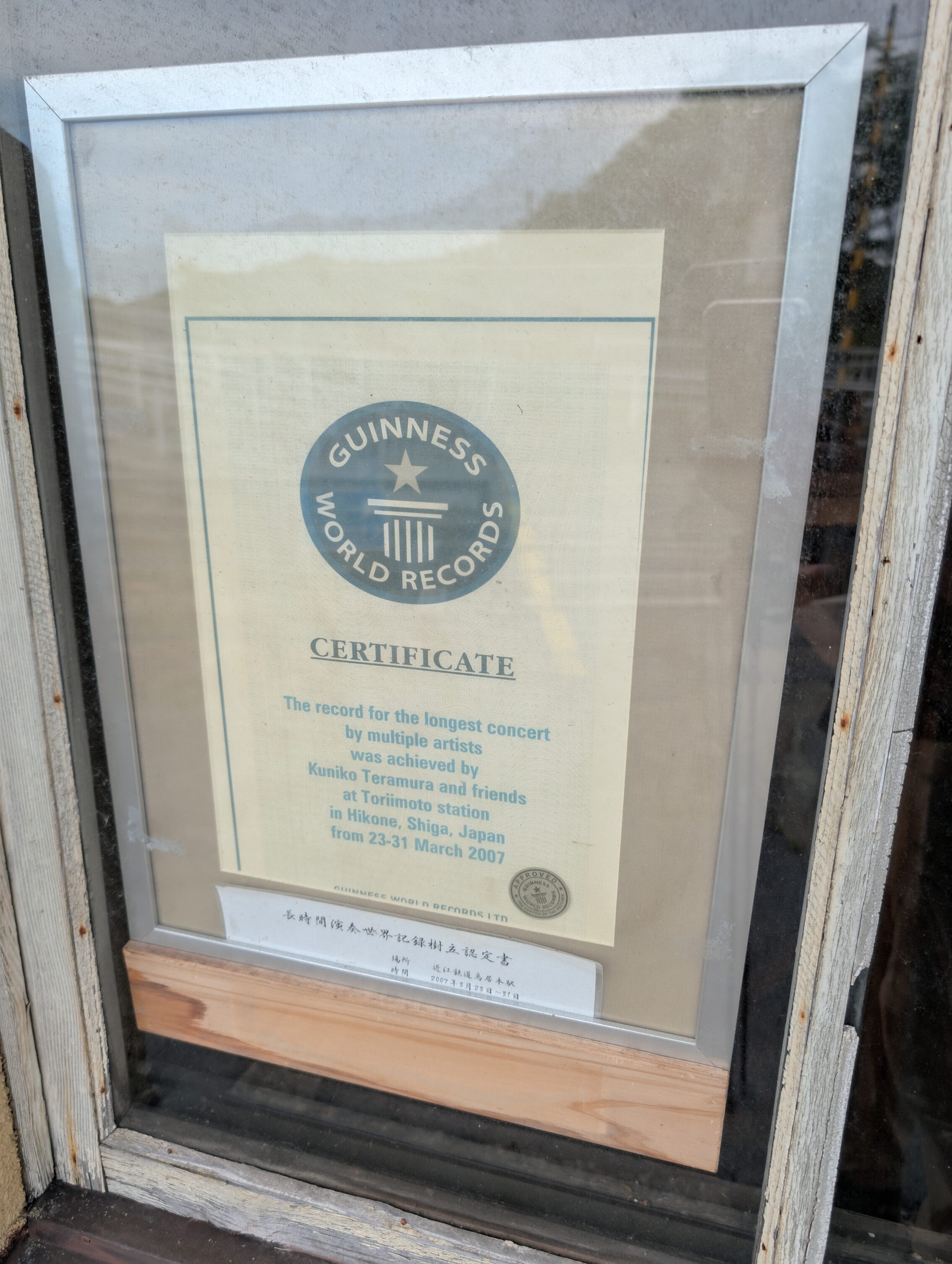
Oh, yeah, the Toriimoto-juku train station has this fantastic poster.
Leave a Reply