mountain pass
-
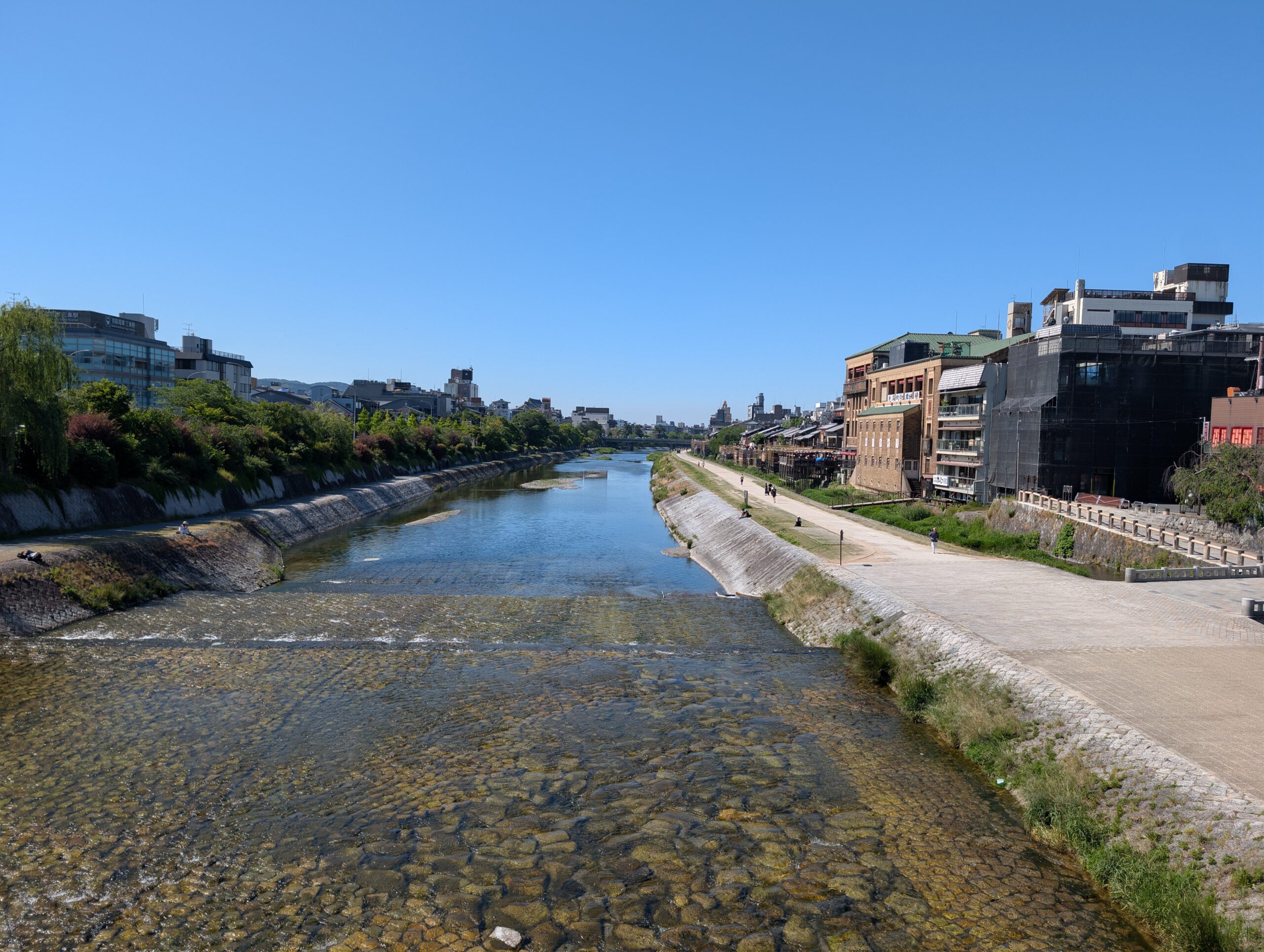
67. to 69. and 70. Moriyama to Ōtsu, and to Kyoto
This post describes the last quivering legs of the journey, and finally arriving in Kyoto. But it was a lengthy trek, first yesterday and then today before I could step onto the Sanjō Ōhashi, the bridge where the Nakasendō and… …more
-
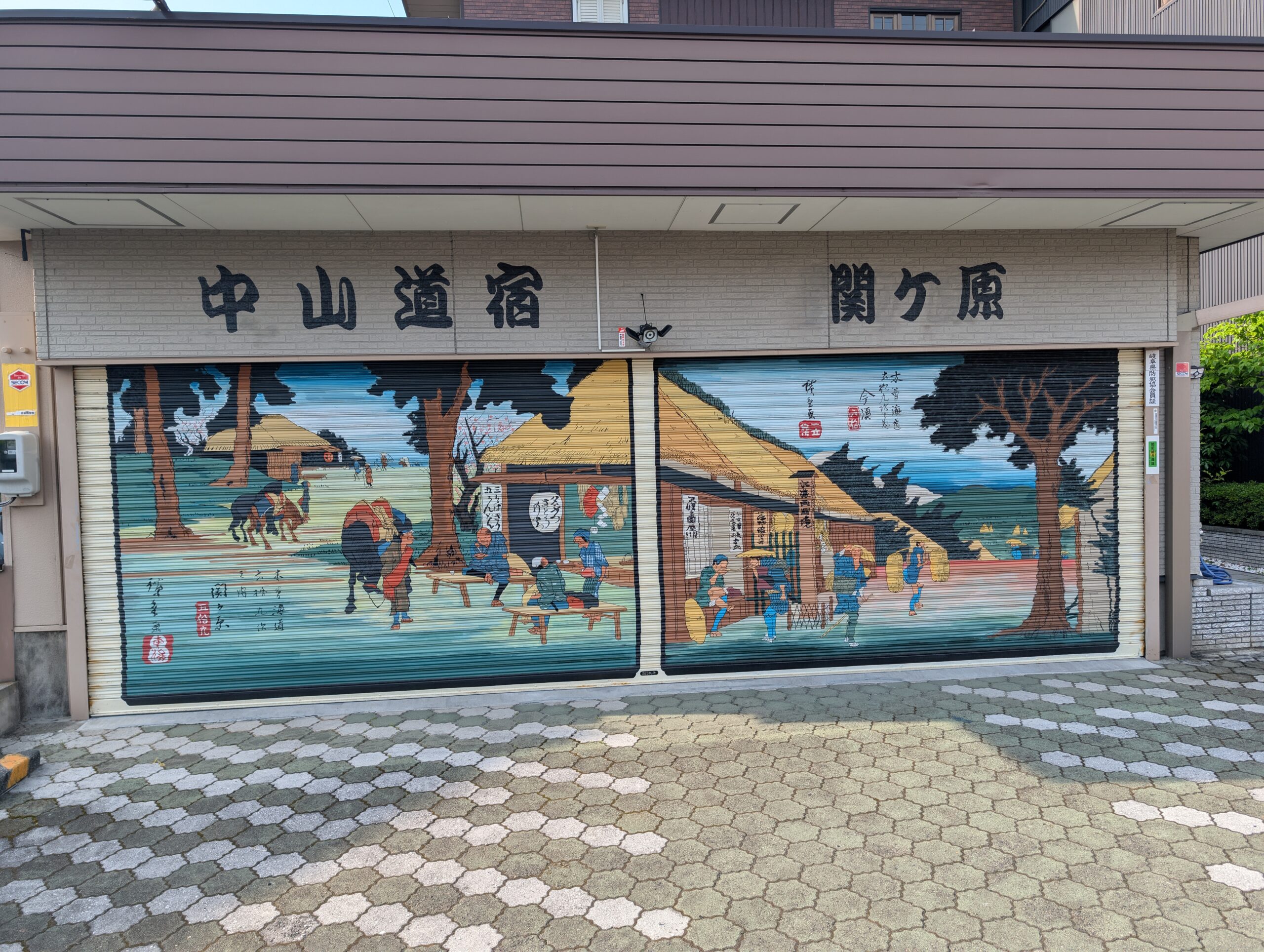
58. to 63. Sekigahara to Toriimoto
This day crossed two minor mountain passes, the Imasu pass and the Surihara pass. Both were pretty tame compared to the backbreaking hikes across for instance the Usui or the Wada passes, but at least the Imasu pass was a… …more
-
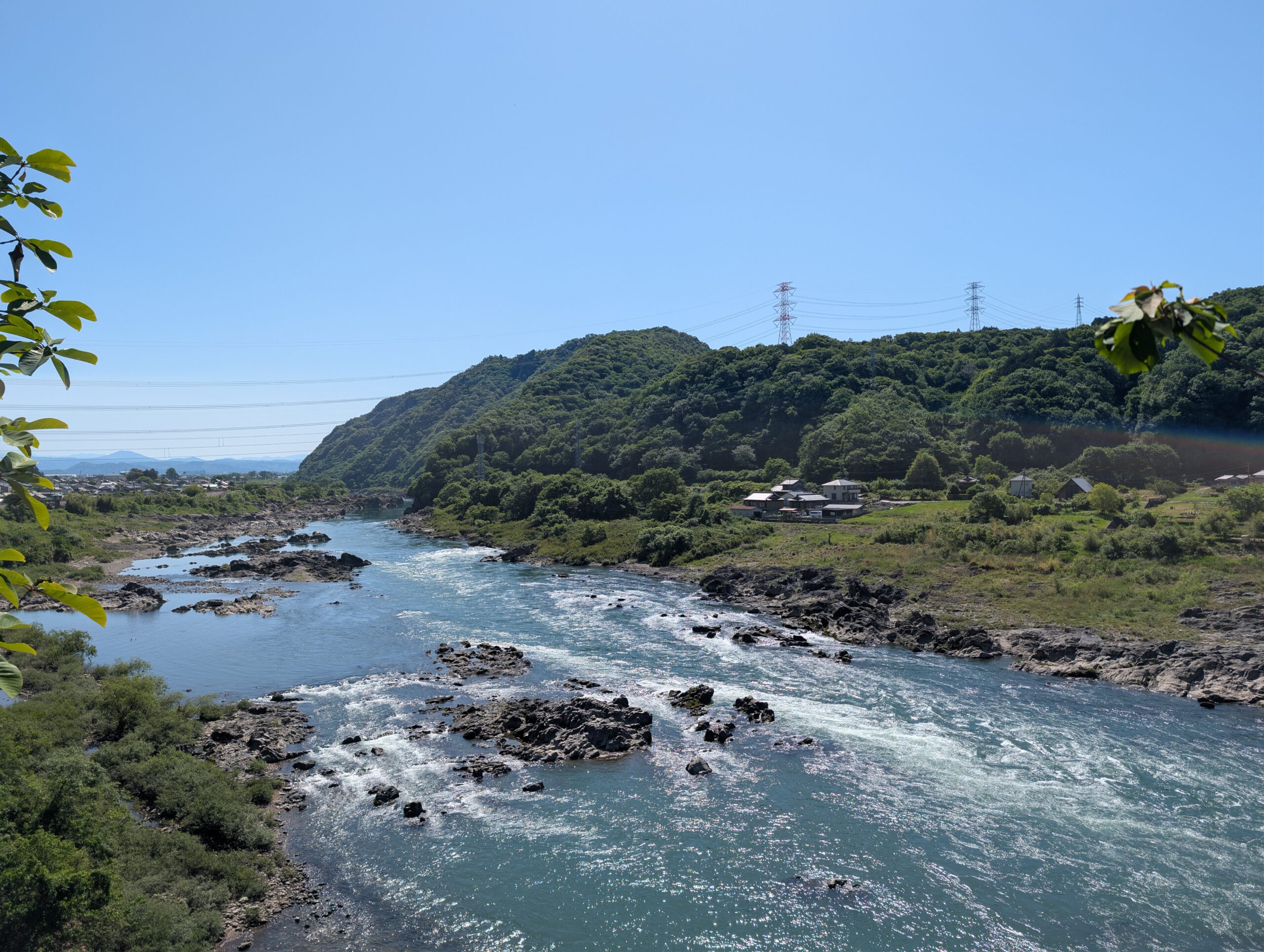
50. to 52. Fushimi to Unuma
This was a very varied hike. It started on the southern banks of the Kiso river, crossed that waterway (for the last time), and then followed it on the northern side instead. This part of the river valley is called… …more
-
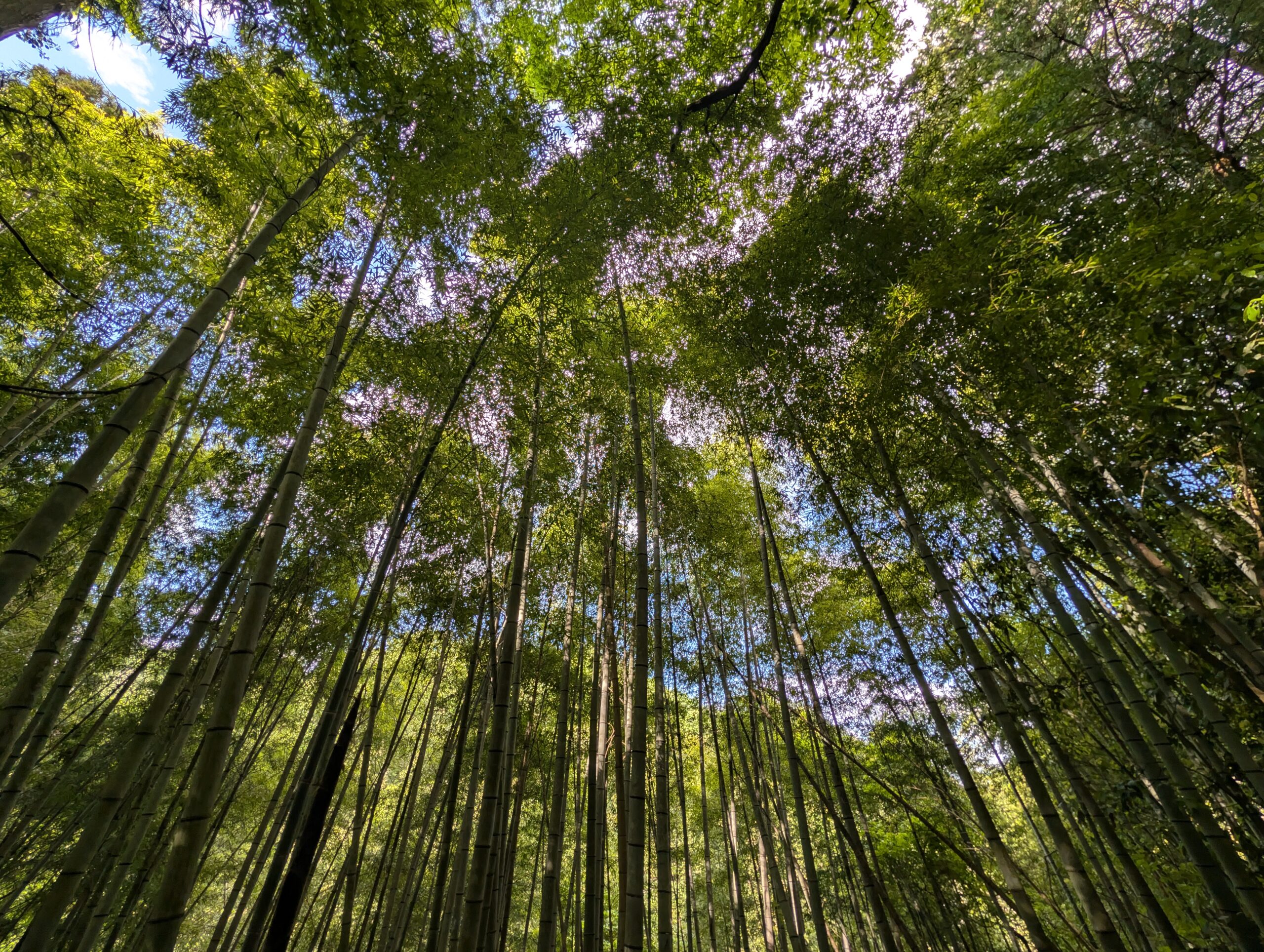
48. to 50. Hosokute to Fushimi
As I left Hosokute-juku, the owners of the ancient inn where I stayed the night graciously posed for a picture. This day meant hiking along two legs again, from Hosokute-juku, via Mitake-juku, to Fushimi-juku. I also hiked about five kilometres… …more
-
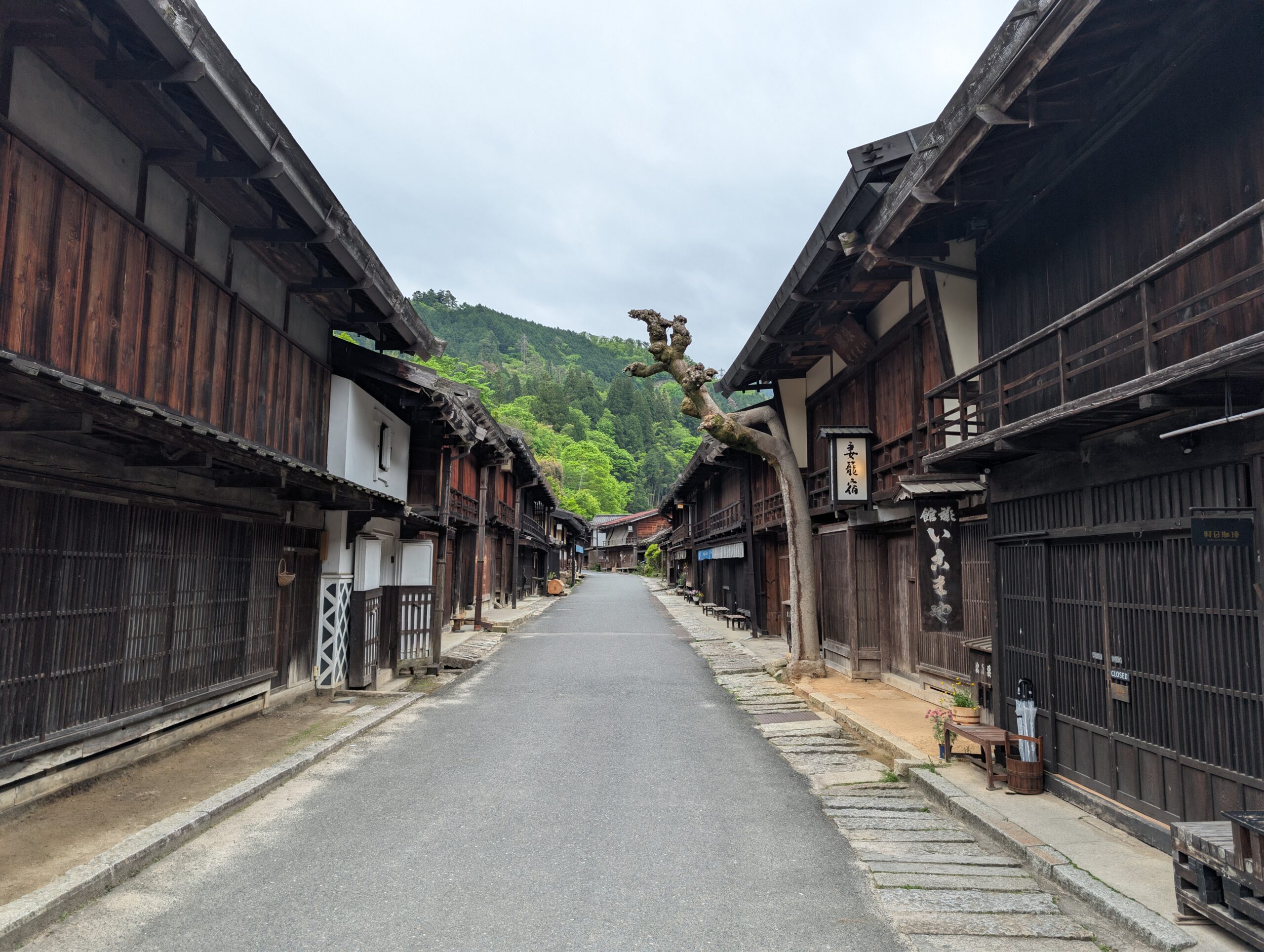
41. to 44. Midono to Nakatsugawa
This hike covers what probably are the most famous and well-known passages along the whole Nakasendō: the Magome pass between Tsumago-juku and Magome-juku, as well as the Ochiai cobblestones (ishidatami) on the leg between Magome-juku and Ochiai-juku. The path towards… …more
-
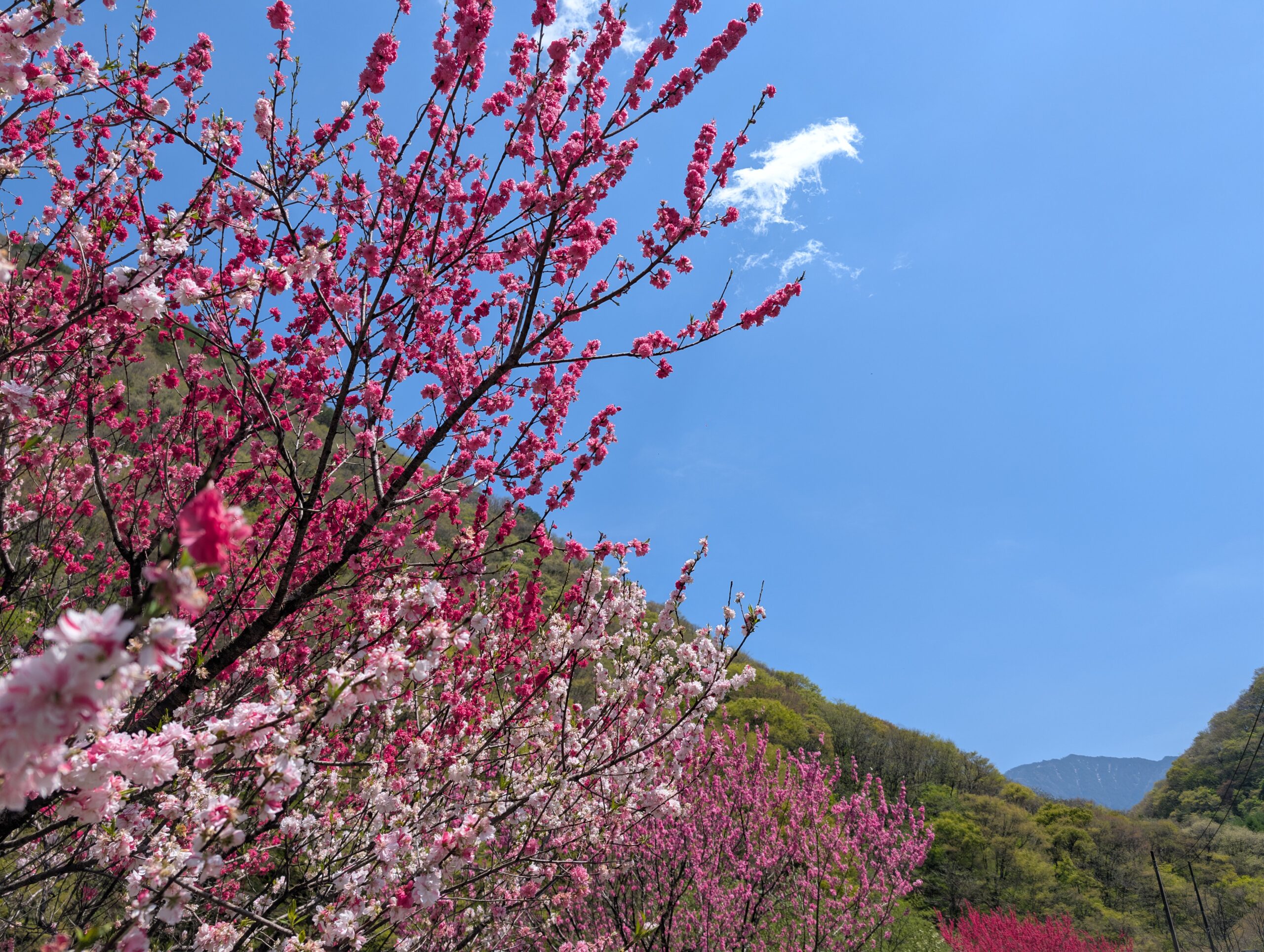
34. to 37. Narai to Fukushima
The hike of the day had two main themes: the Torii pass between Narai-juku and Yabuhara-juku; and the Kiso river. The first leg for the day was “just” the hike from the Narai river valley across the ridge and down… …more
-
30. to 31. Shimosuwa to Shiojiri to Seba
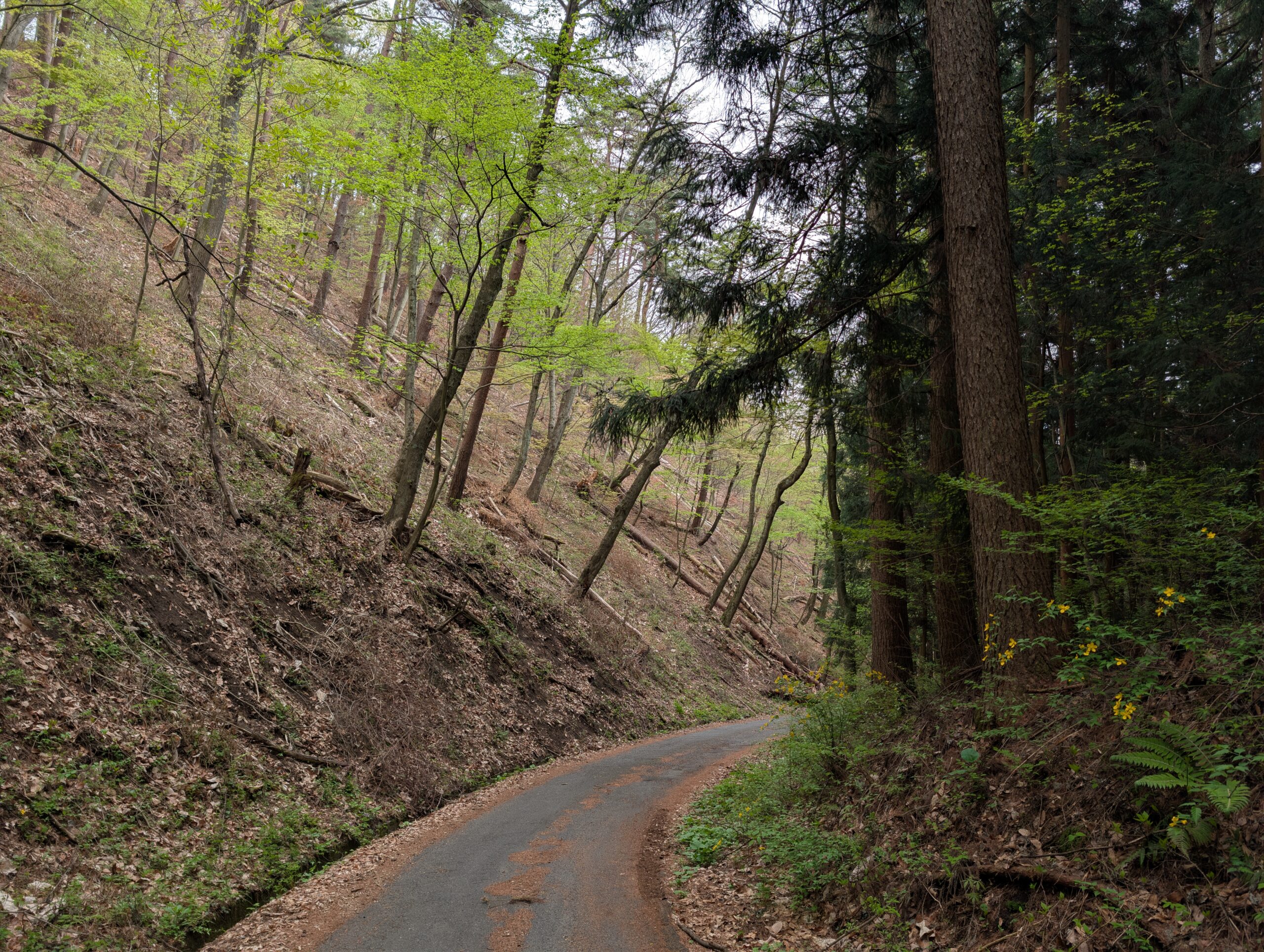
Shimosuwa-shuku is an interesting place. It is situated right on the north shore of the rather large lake Suwa, and it has an utter abundance of natural hot springs. It even has so many hot springs that there are several… …more
-
Interlude: The Early Nakasendō, 初期中山道
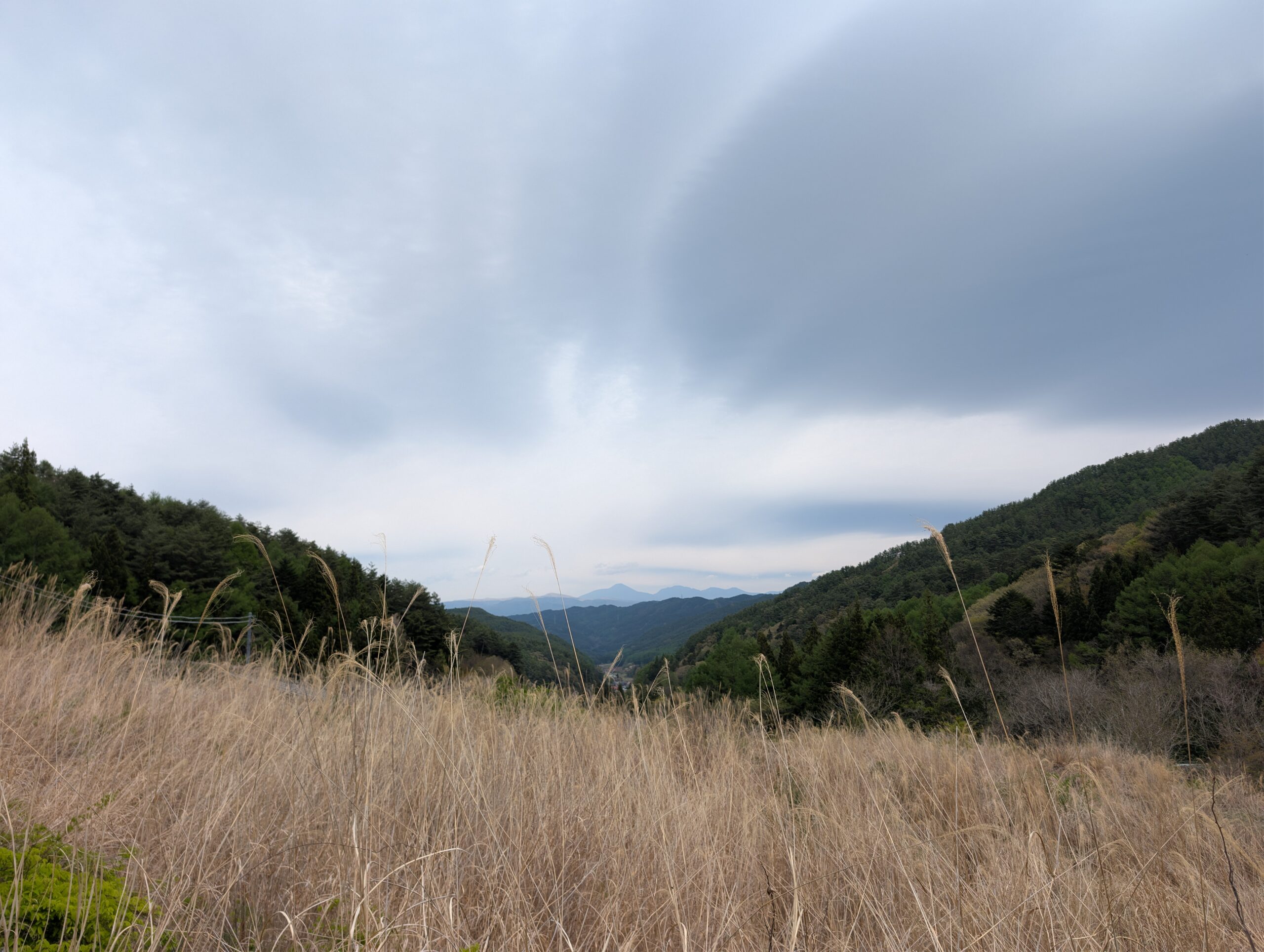
This day the hike didn’t go along the classical Nakasendō from Shimosuwa towards Shiojiri, but followed what is known as the Early Nakasendō. At the very start of the Tokugawa regime after the battles of Sekigahara in 1600, they started… …more
-
Moar wildlife
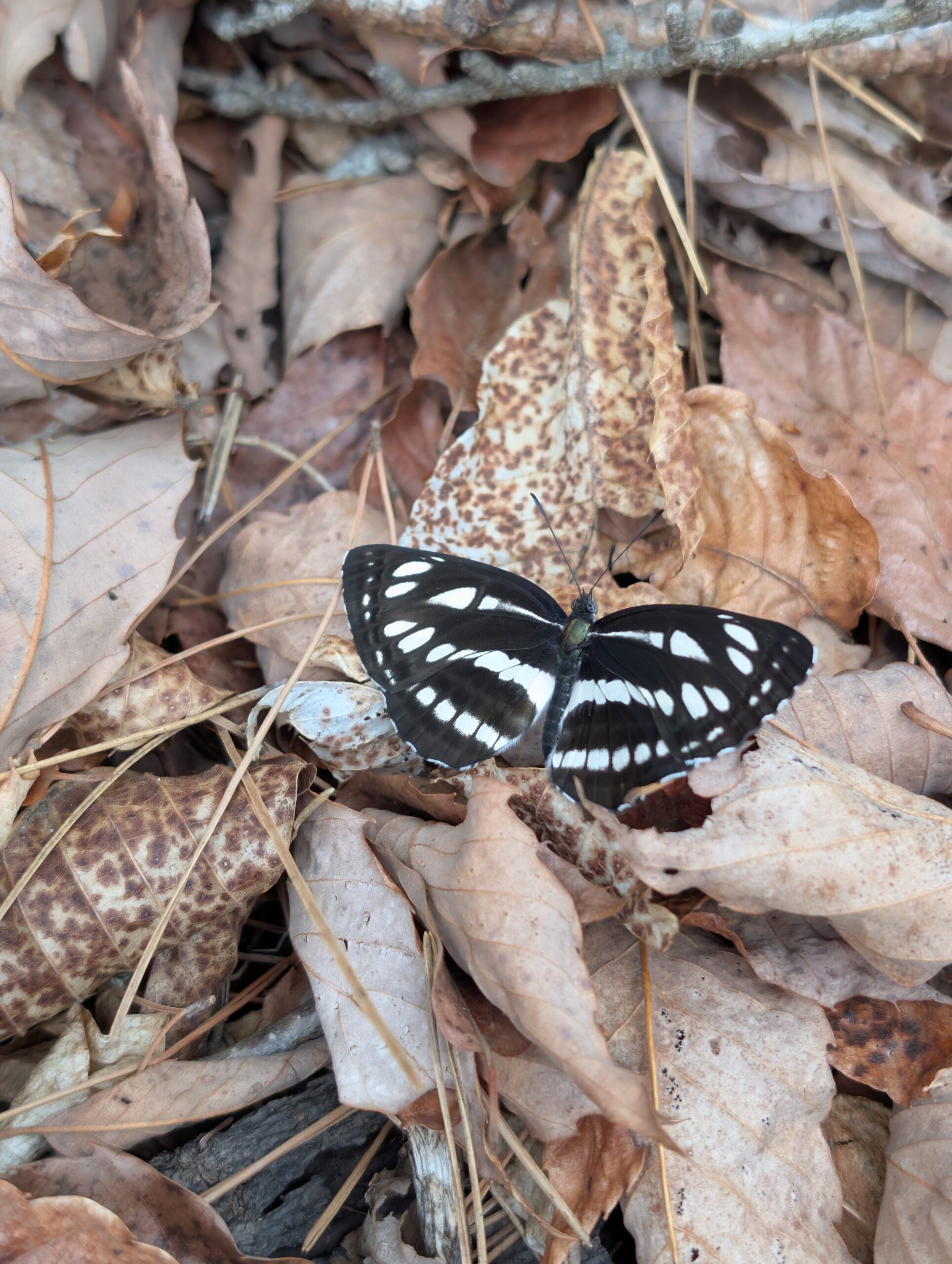
The hike today followed the Early Nakasendō instead of the “normal old Nakasendō”. There will be a post about that as well as usual, also explaining what the Early Nakasendō actually is. But these wild stretches of mountain roads I… …more