A number of the post towns along the way have incorporated a series of what seems to be non-sensical 90-degree turns in the layout of their towns where the Nakasendō passed through. A normal post town has a layout much like for instance Sakamoto-juku. This post town just on the south side of the Usui pass certainly has no weird turns.
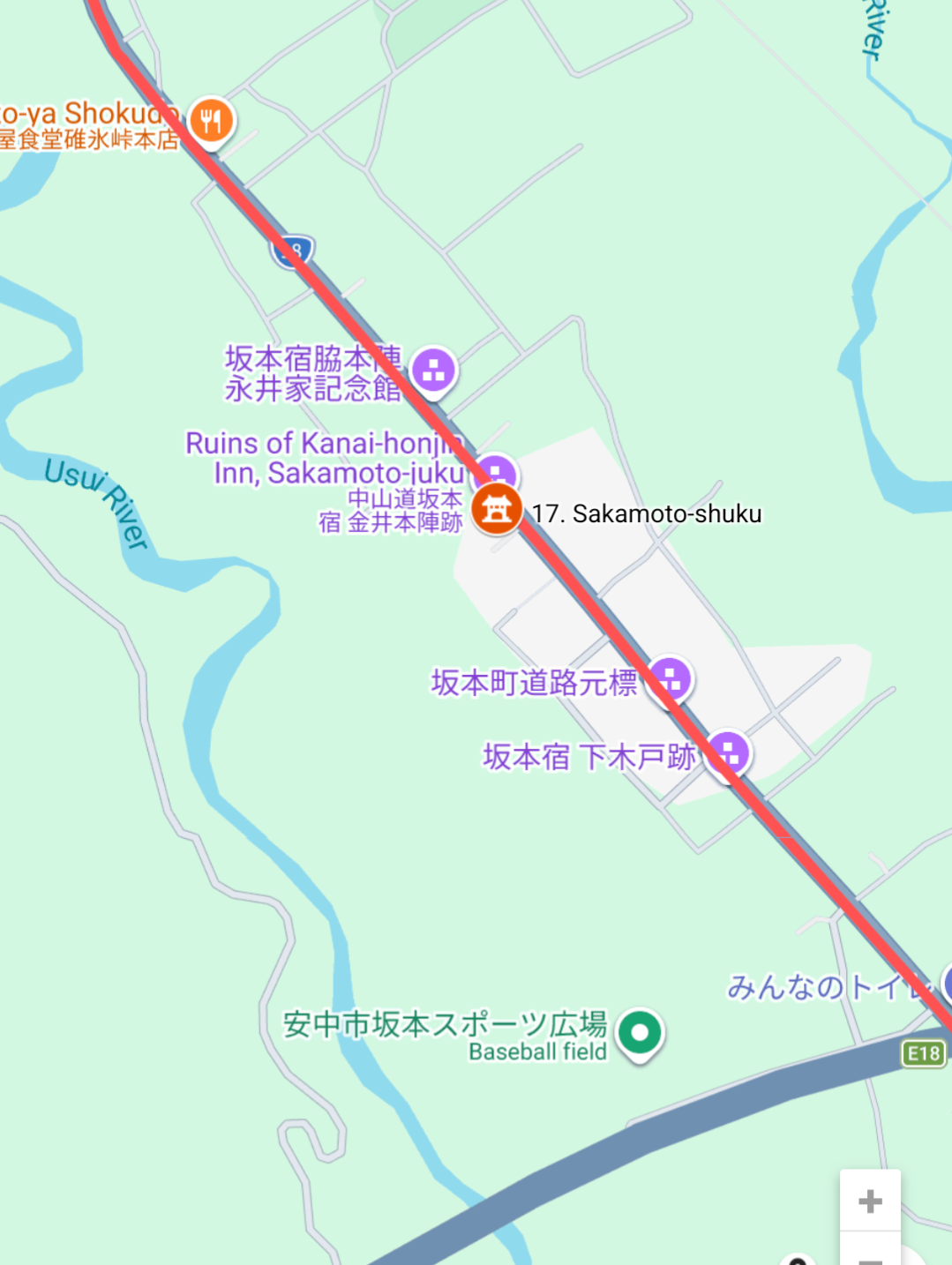
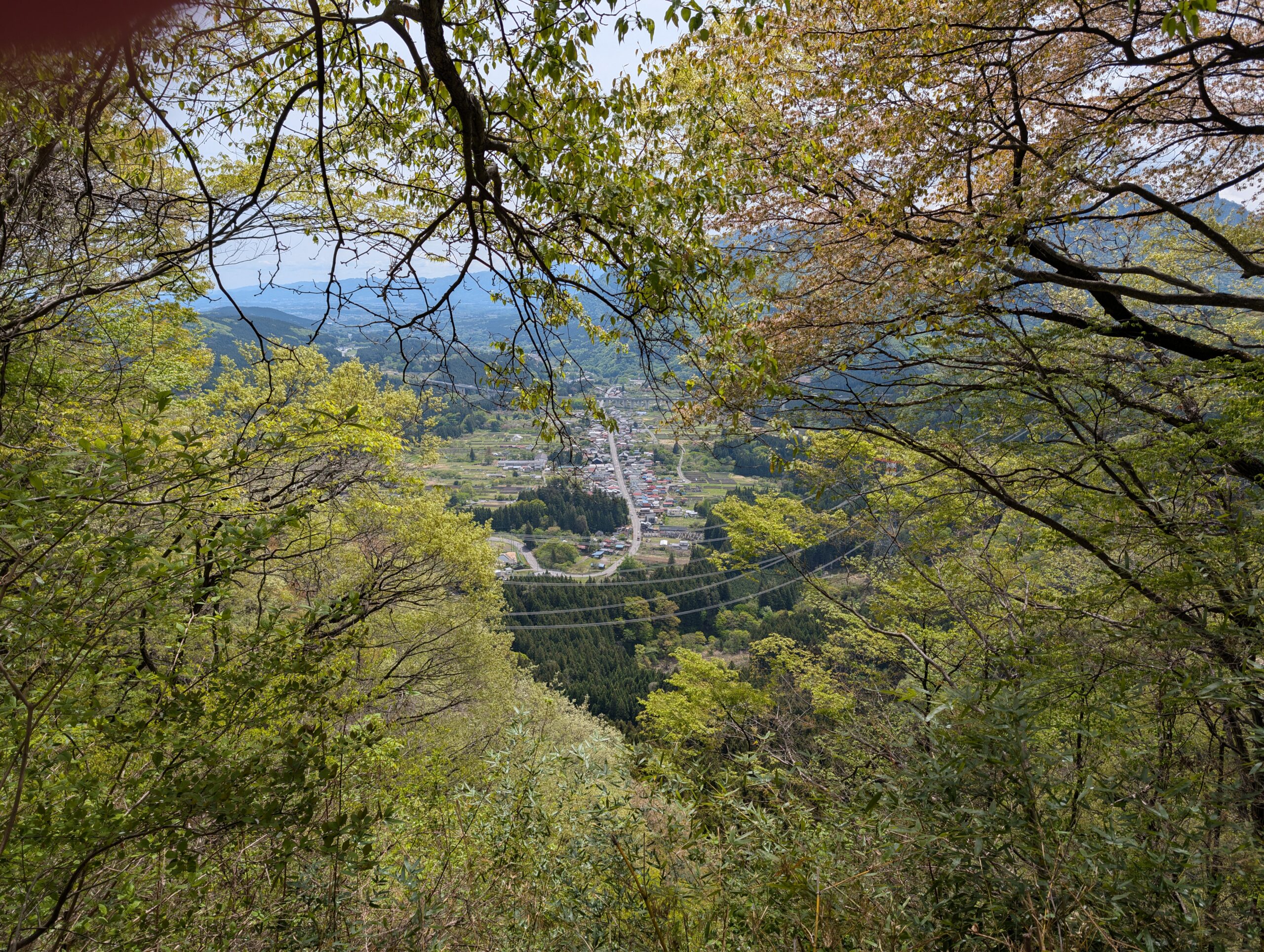
The featured image above also shows Sakamoto-juku as seen from the mountain to the north of the town.
If you compare this to for instance Suhara-juku, there is a clear difference. In the middle of the town, there is a sudden almost 90-degree turn to the right when heading to the west, and then another, and so on. In Suhara-juku there is no geographical necessity for this kind of layout at all. These right-angled turns are called masugata.
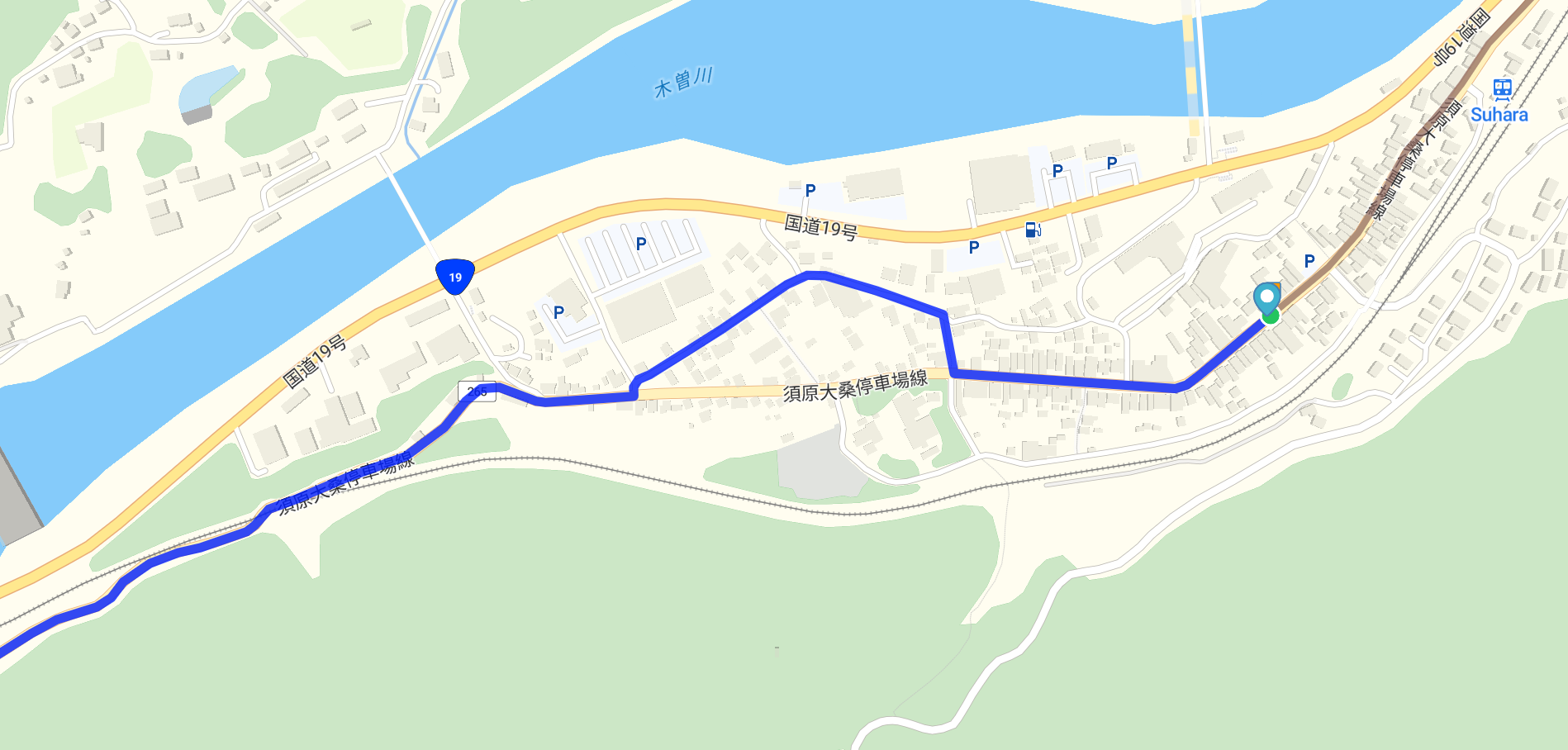
The masugata were constructed on order from the Tokugawa clan as the post towns were being built. They were meant to be obstructions against unwanted visitors. You could more easily post guards at corners such as this, and it hindered an easy line of sight to for instance the honjin where lords and possibly even royalty could be staying. In a way they were part of the defense mechanisms of the whole country. This way of thinking can be seen in most Japanese older castle layouts as well, where the entry to the fortification often goes through maze-like sequences like this.
There are Chinese folktales that say that evil spirits only can travel in completely straight lines, making it impossible for these maleficent beings to enter towns, castles, and even homes with this kind of layout. But in the case of the masugata of the Edo period post towns, they were most certainly constructed from a military perspective.
Leave a Reply