Japan is among other things known for the northern-most living monkey in the world, the Japanese macaque, but there are a lot of other animals that you can hope to encounter, or in some cases that you want to avoid while hiking in Japan in general, and on the Nakasendō in particular.
Bears
There are two types of bears in Japan, the Japanese black bear (Ursus thibetanus japonicus), and the Ussuri brown bear (Ursus arctos lasiotus). Both types are rather uncommon sights in the wilds of the country and it’s even less common to see them in rural or suburban areas, or at least it used to be. There has been quite a lot of media coverage about the increase of especially black bear sightings and incidents in Japan these last few years, and while it is still extremely unlikely to encounter a bear, there are a number of safeguards you can take to lessen the risks involved with this type of animal. There are several places along the old Nakasendō where there is a greater risk of encountering bears, such as up on the forested mountain passes or in the deep, often deserted river valleys along the path.
The Ussuri brown bear is only found on Hokkaido, so you won’t encounter it while hiking on the Nakasendō. The Japanese black bear is more cautious creature than the Ussuri brown, but it still isn’t particularly friendly to humans. Bear incidents and attacks involving humans happen every year all across Japan. They mostly occur between May and November when the bears mostly aren’t in hibernation, and unfortunately as mentioned, these events are on the rise. There is a lot of research going on as to why this is happening, but it is likely that it is a combination of climate changes and how the presence of humans in nature is changing.
Climate changes are making some staple foods such as acorns and beech nuts more scarce for bears – especially in preparation for hibernation in the Autumn. The lack of natural foods drives the bears to search for sustenance in new and often human-adjacent areas. Warmer summers are also excellent for more bear cubs to survive, making it a sort of climate change double whammy. More bears with less autumn food.
The dichotomy of both development of what used to be pristine and wild land which reduces the habitat of the bears, and at the same time the ongoing depopulation of the Japanese countryside is also a contributing factor. The depopulation of rural areas means that bears are becoming more used to finding food among now abandoned houses and in almost empty villages. The depopulation also contributes to a shortage of traditional hunters in those areas, people who used to help in controlling the bear population.
Preparations before setting off
Prepare for your journey beforehand.
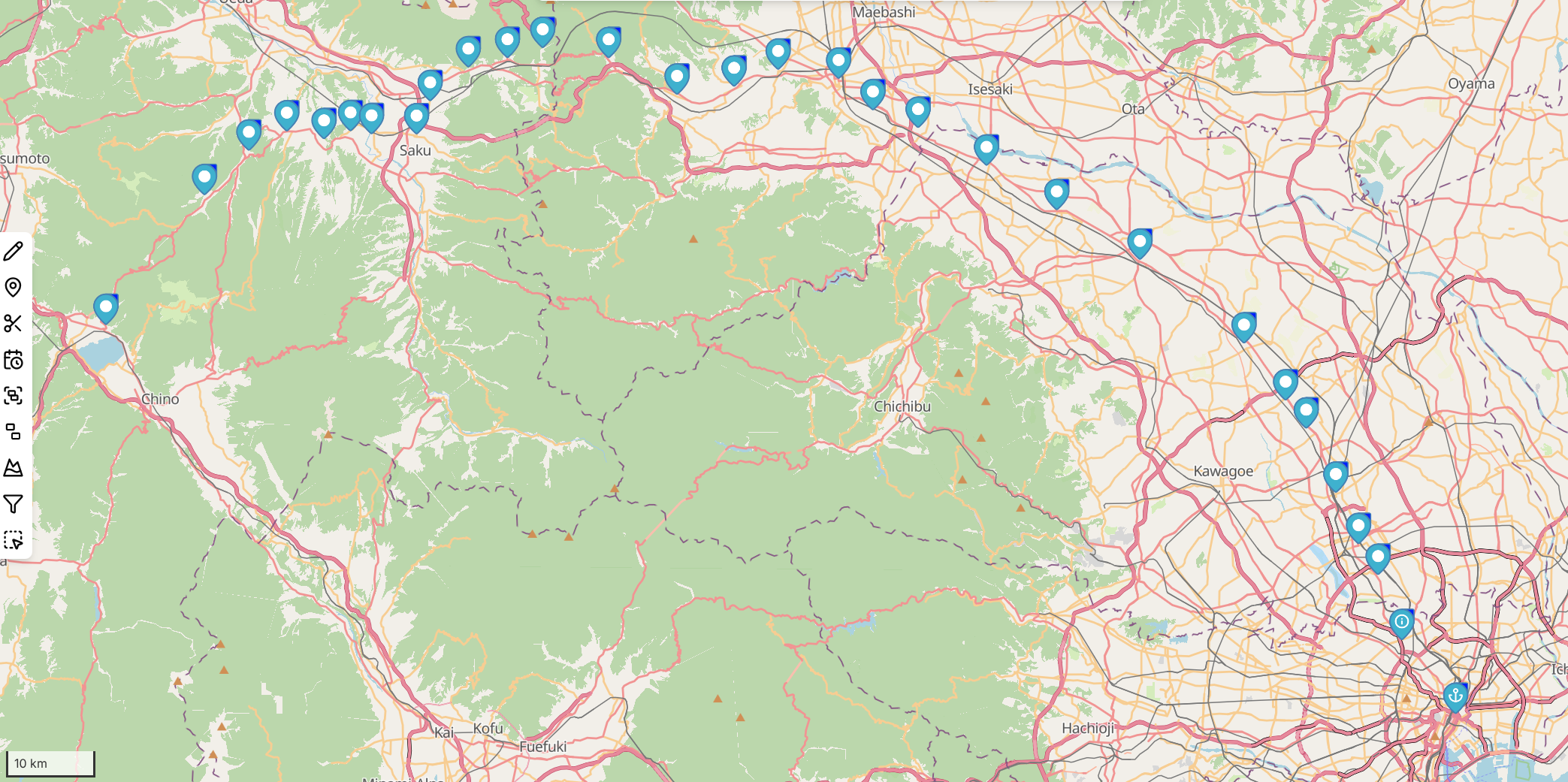
- Check the Kuma map every day before heading out. This is an official government-backed site with all known bear sightings marked and detailed, and is available in several languages including English. If you happen to observe a bear, even from a great distance, report this to the local authorities as soon as possible when you are safe again!
- Purchase the equipment you deem necessary.
When on the trail before seeing a bear
When you are out hiking in the wilderness, or in areas where there have been recent bear sightings make sure that you consider the following advice.
- Don’t wear headphones. Being aware of your surroundings and spotting the bear early is a good way to avoid problems.
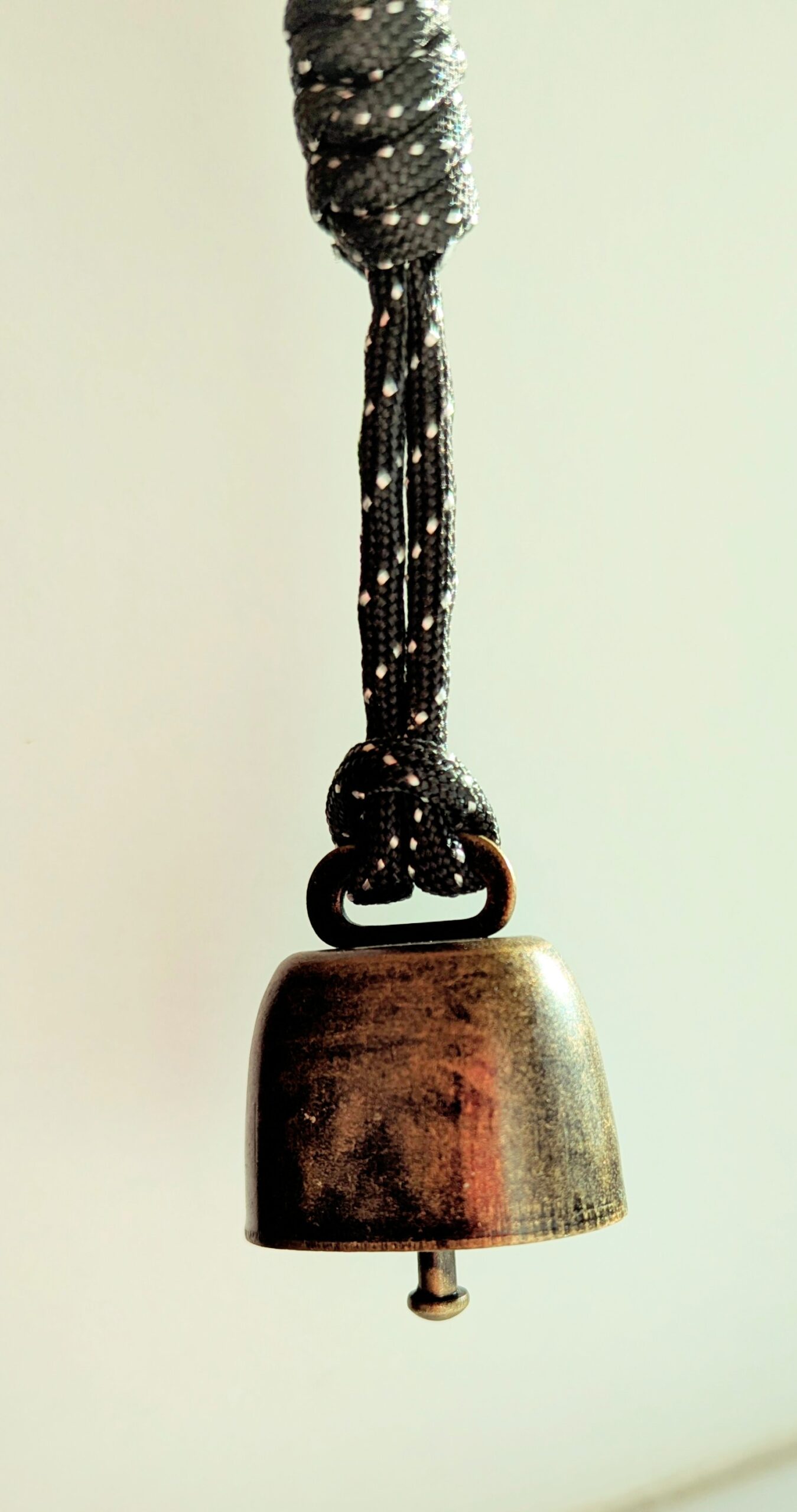
- Fasten a bell on your backpack. A bell makes a continuous noise as you walk which helps the bear become aware of you in advance so you don’t startle them. Startling a bear up close is by far the most common reason why bear attacks happen. These bells are called kuma-yoke-suzu 熊よけ鈴, (bear deterrent bell) and can be found in lots of places such as souvenir shops and outdoor sporting shops. Note that these bells are not meant to scare a bear, but to alert them that someone is near.
- Talk! This is probably as effective, if not even more so than carrying a bell. Talking announces your presence from pretty far away.
- In quite a few places along the Nakasendō there are still bells mounted on poles for hikers. Ring them when you encounter them! See also below.
- Keep to the trails.
- If you carry bear spray with you, make sure that you have it within easy reach. Carrying a spray can in your backpack is not much good if something suddenly happens. Also, make sure that you know how to actually use the spray, such as at what distance it can be effective etc.
If you see a Japanese black bear in the distance
- Don’t ever run – instead back away slowly without turning your back to the bear. Running might trigger the bear’s hunting instincts even at long ranges.
- Don’t move closer (duh), even to take a picture.
- Stay calm, don’t make any sudden movements, or shout, or anything that might be interpreted as threatening.
If the Japanese black bear is near you
Bear attacks happens because a bear is scared, startled, or considers you a threat. The Japanese black bear doesn’t view humans as prey, which means it never attacks to eat you. In order to discourage it to attack you should
- Stand tall, raise your arms slowly to appear bigger.
- Avoid sudden movements, and don’t run! A bear runs much faster than you can.
- Play music on your phone, slowly increasing the volume. This can make the bear believe that you are a larger party of people. You can also speak calmly with as deep a voice as possible.
- Make sure the bear knows that you see it, ie stare at it. Black bears prefer to attack unwary creatures. This is the opposite from how you should act when meeting a brown bear by the way. There are a quite a number of sites that advocate avoiding eye contact when meeting a bear. That recommendation is not for Japanese black bears!
- If you are in a group you should stay close together
- Back away slowly from the bear, and don’t turn your back to it.
Bells along the Nakasendō
Traditionally, there were bells on poles along some parts of the Nakasendō that you could ring as you started along a particularly wild section of the path. This ringing of the bells was meant to scare away the bears in the area, or at least make them aware that you were close. You can still find bells of this type along some of the sections, such as when crossing the Magome pass between Tsumago-juku and Magome-juku, in the Jusan-tōge section west of Nakatsugawa, and in a few other places.
The Japanese boar
As with most kinds of wild animals the japanese boar, (Sus scrofa leucomystax), lives in areas devoid of humans, but as the Nakasendō crosses through some extensive wilderness and depopulated rural areas you might catch sight of some of them. If you do happen upon them close up and they seem agitated, move slowly away from them, and don’t run. If you feel threatened you might want to look for a tree, or large rock to climb up onto, because boars can’t climb. Generally though, the boars want nothing to do with humans, and can be kept away with the same methods as bears, ie bells and sounds.
The Japanese macaque
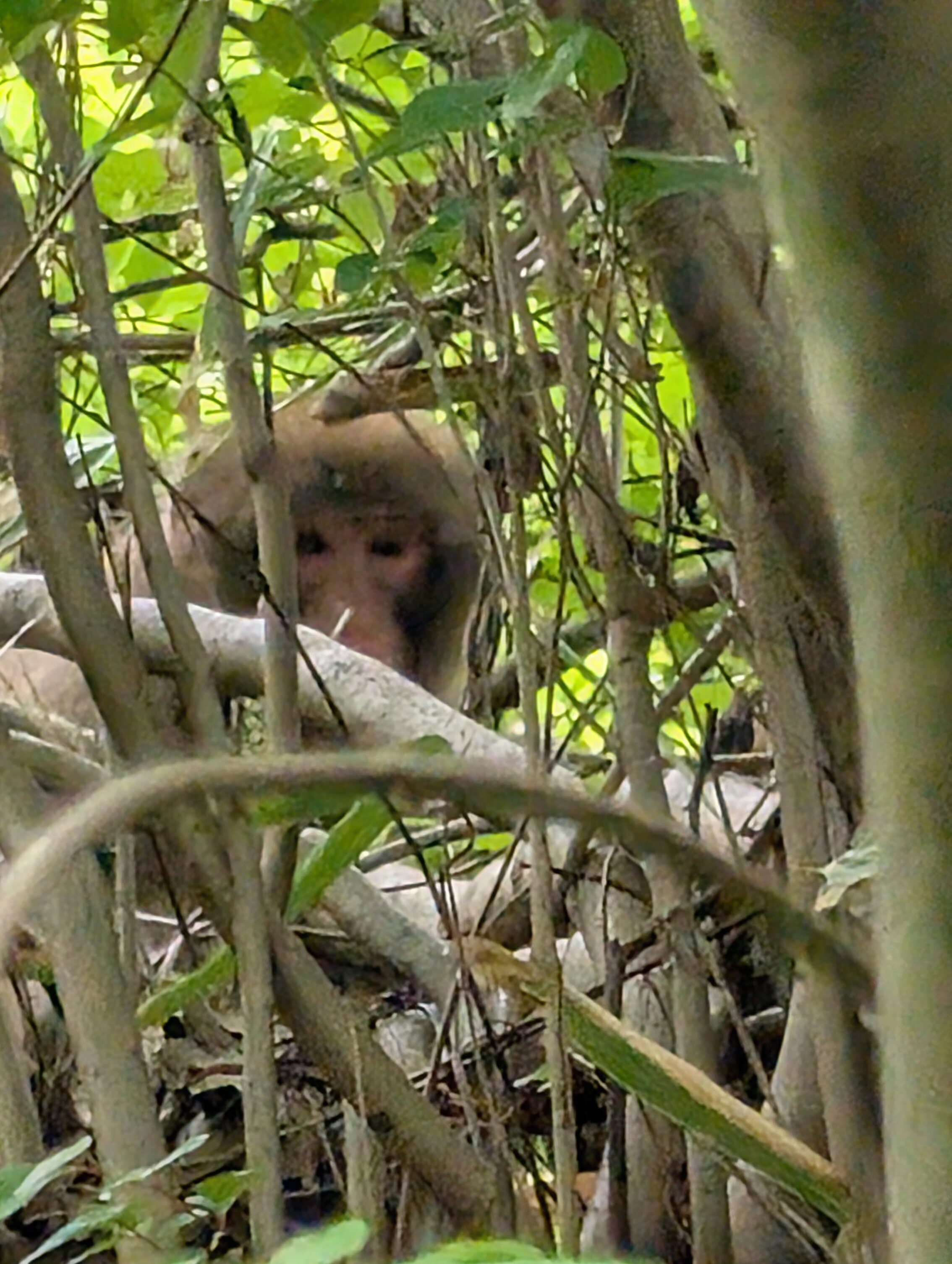
The Japanese macaques (Macaca fuscata) are also known as snow monkeys, and Nihonzaru, or just “saru” in Japanese. They live across almost all of Japan, and often form large communities that hunt, forage and live together. You have probably seen pictures of them bathing in hot springs in the forests during wintertime, with snow and ice surrounding them. The Japanese macaque isn’t usually dangerous, but they can bite and scratch you pretty badly if you scare, enrage or annoy them. Mostly they don’t care too much about humans, and are quite used to living alongside or at least near-ish to us, but if you don’t respect their privacy and their boundaries they may decide to threaten and possibly even attack. If you see them, don’t frighten them, don’t make sudden movements and avoid prolonged eye contact. Also, you should never feed them, as they will quickly learn that it is worthwhile to harass humans for food.
Japanese Serow
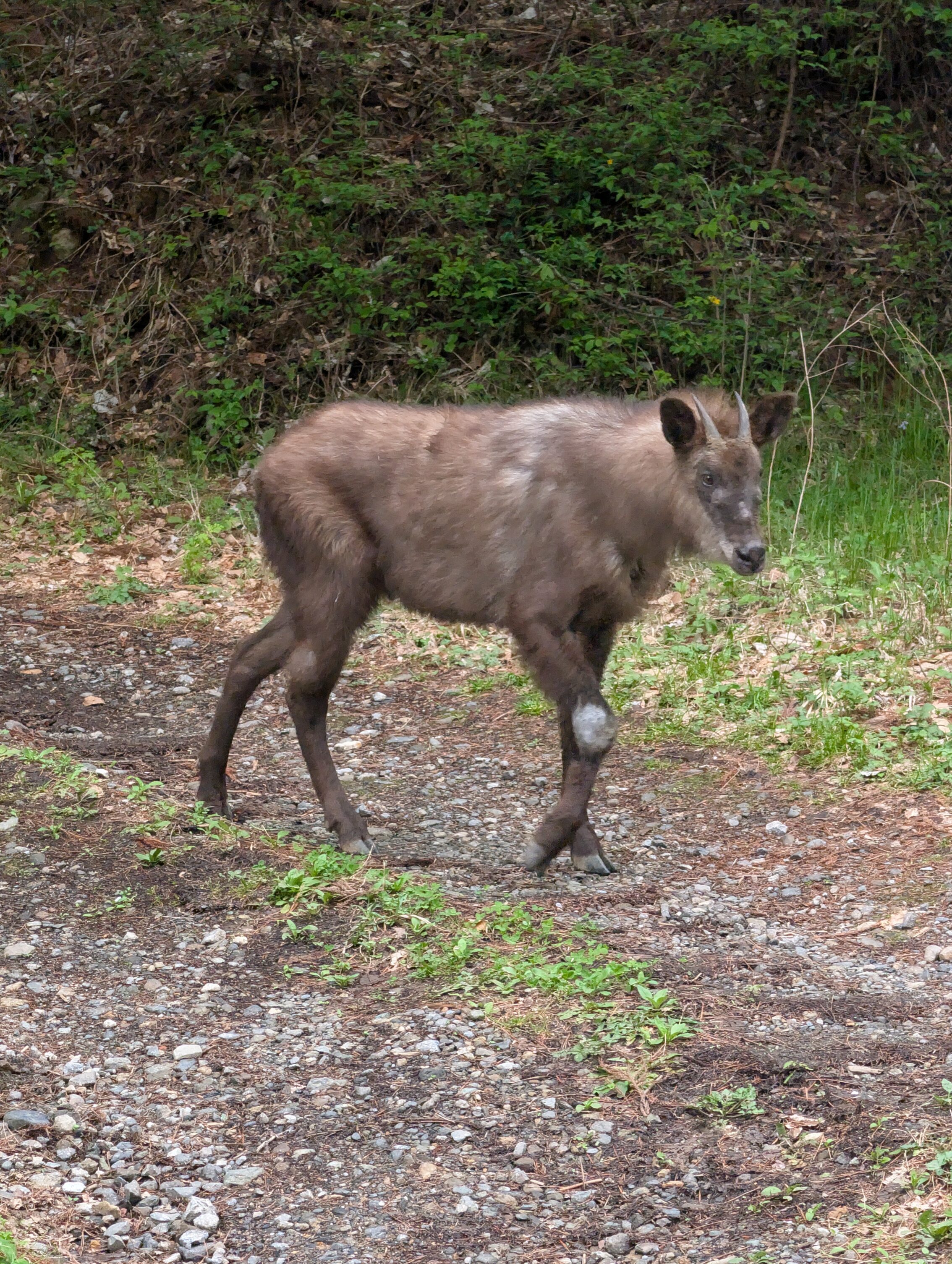
The Japanese serow is an antelope-goat looking, grazing creature that lives in the mountain forests. It is usually utterly harmless, unless you are a farmer whose crops it destroys. The serow is seen as a “national symbol of Japan” and is subject to protection inside its normal habitat.
Sika deer
There are quite a few places in Japan where the wild sika deer (Cervus nippon) population have almost domesticated themselves, and where they happily forage right in the middle of parks in the towns. In these situations they sometimes even let you walk right up to them. Don’t do this! While the deer themselves might not be very dangerous unless they manage to kick you, they can carry disesase-infected ticks. Getting ticks with Lyme disease or Japanese spotted fever isn’t exactly a walk in the park, so avoid being too friendly with deer, even if they seem to enjoy having their picture taken.
Butterflies and other insects
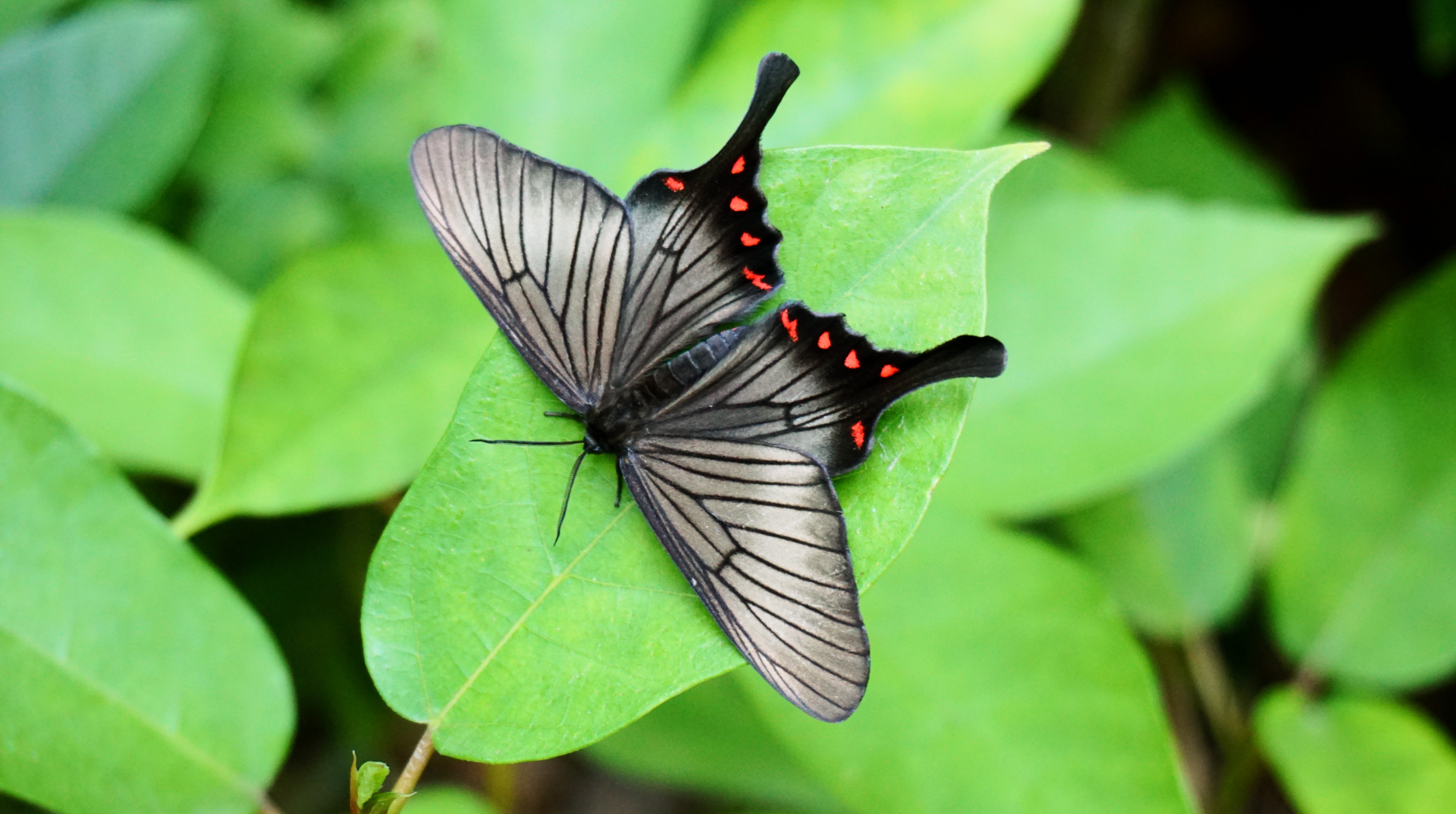
You can expect to see a lot of different kinds of butterflies in Japan in all seasons except during winter. Japan is the home to hundreds of species, some of them of which are utterly spectacular in their colours and sheen. The butterfly featured on this post is actually a moth of the species Epicopeia hainseii, known as the “Swallowtail moth” in Japan.
Bug repellants might be necessary when hiking in rural and wilderness areas during the hot and humid periods of summer, especially in the deep valleys and damp forests, or when you are walking close to the waterfilled rice paddies. Ticks, as mentioned above, can also be found in grassy areas and low undergrowth, especially in humid environments. As with animals that bite and sting, the best way to deal with ticks is to avoid them in the first place. The Japanese mountain leech isn’t poisonous, but their bites can leave wounds that don’t heal properly, which can lead to infections.
Don’t walk in high grass, use tick-repellants if you deem it necessary, check you clothing after hiking in the wilderness, and wear proper boots and long trousers.
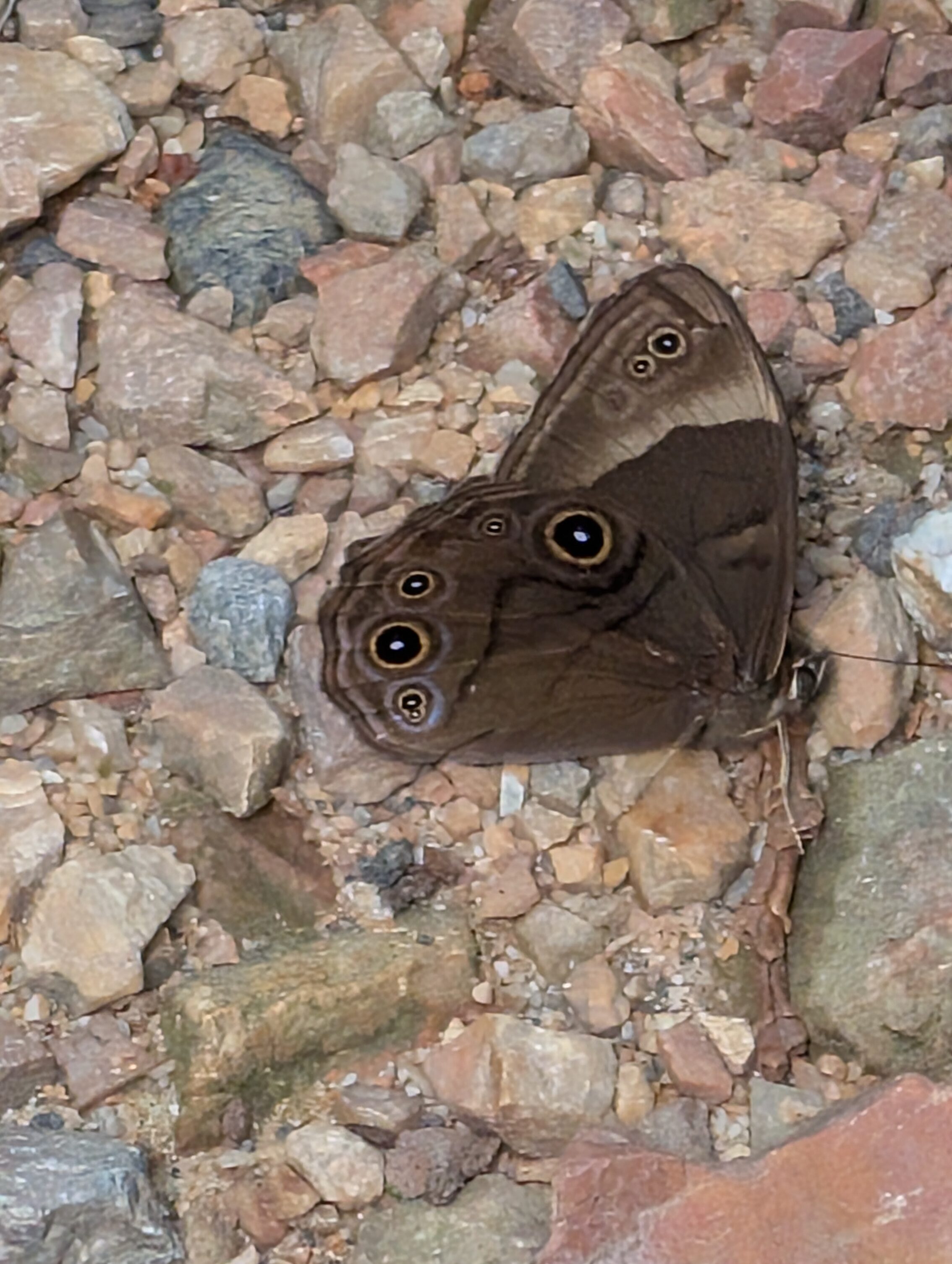
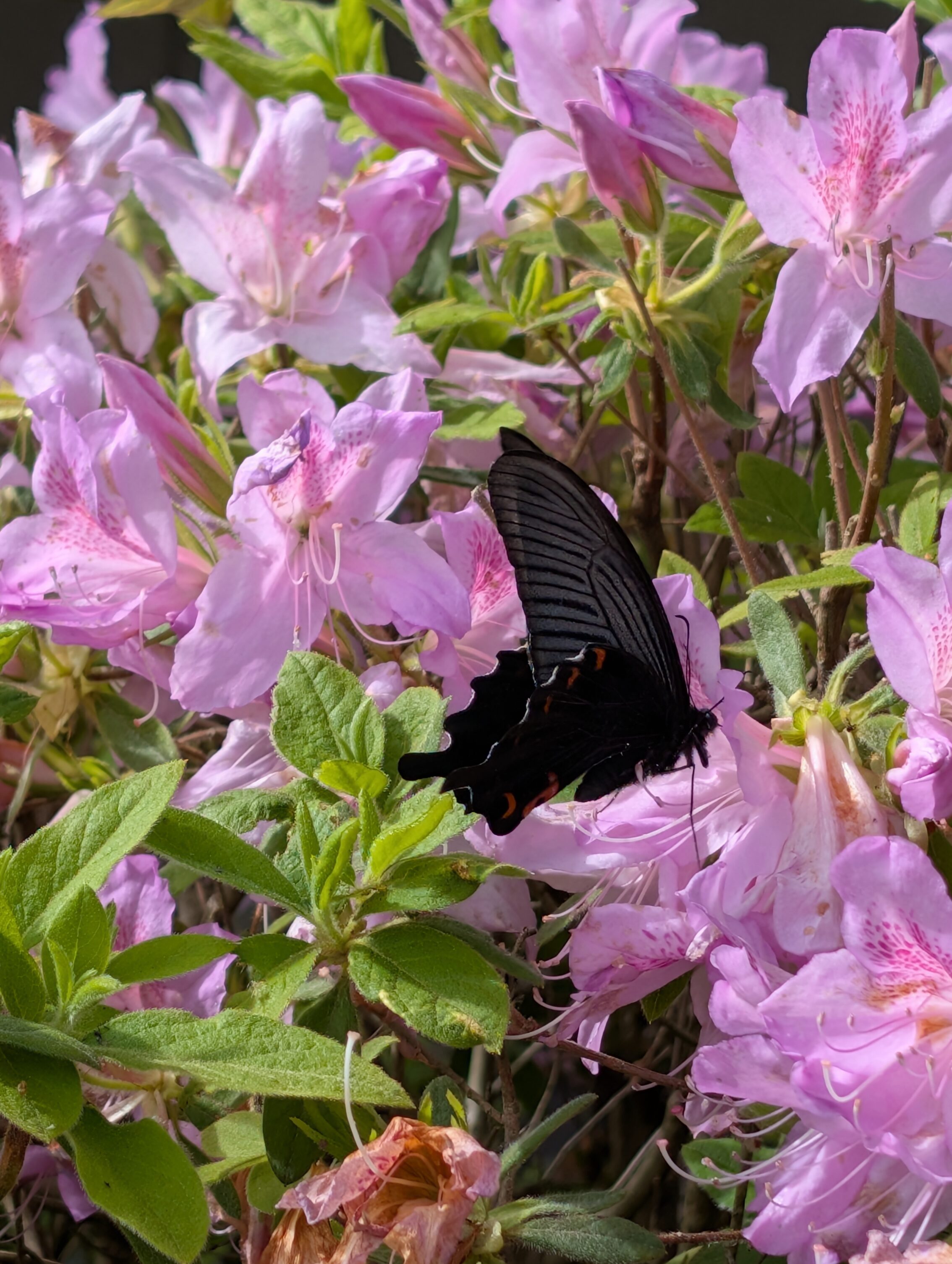
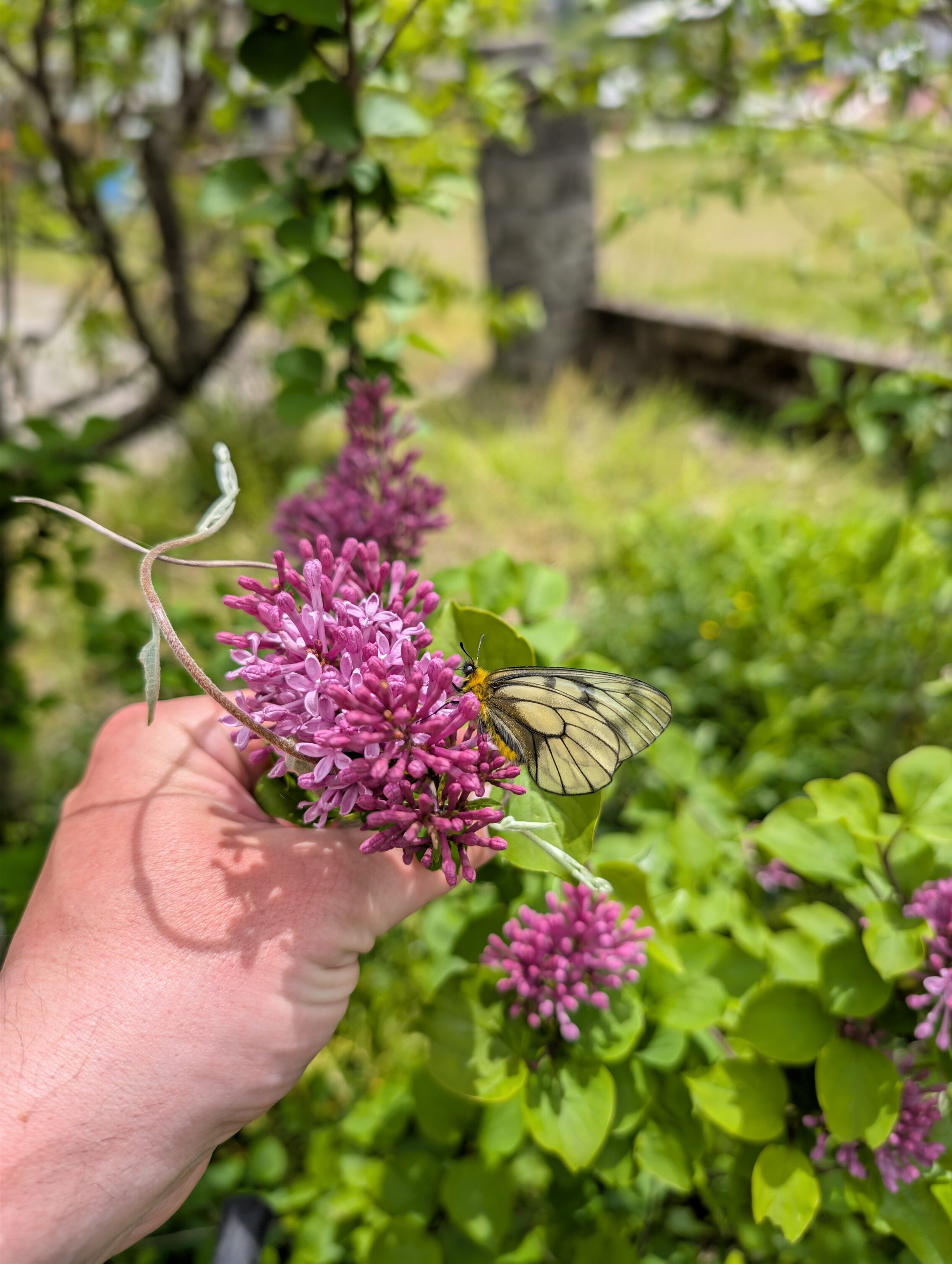
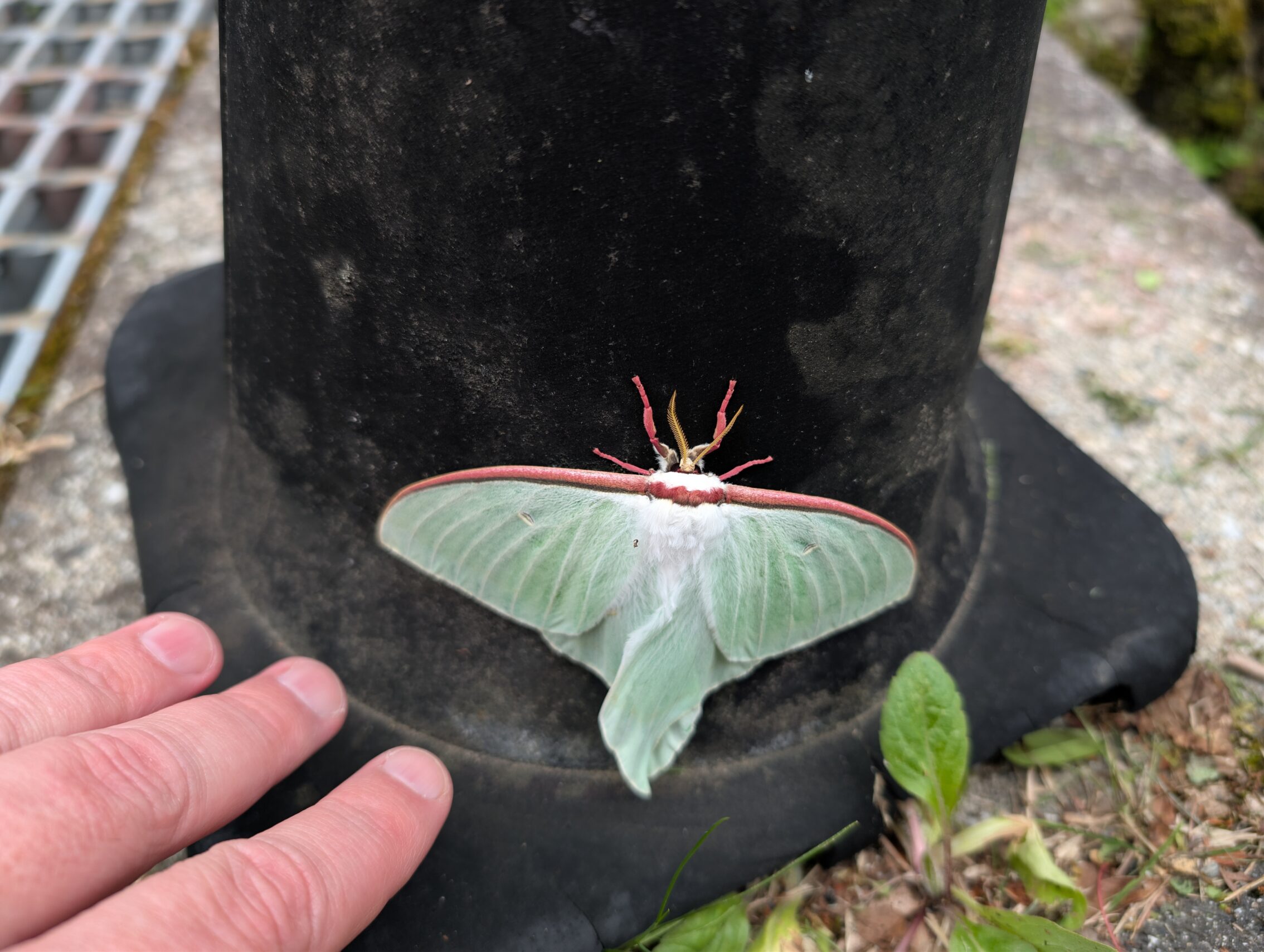
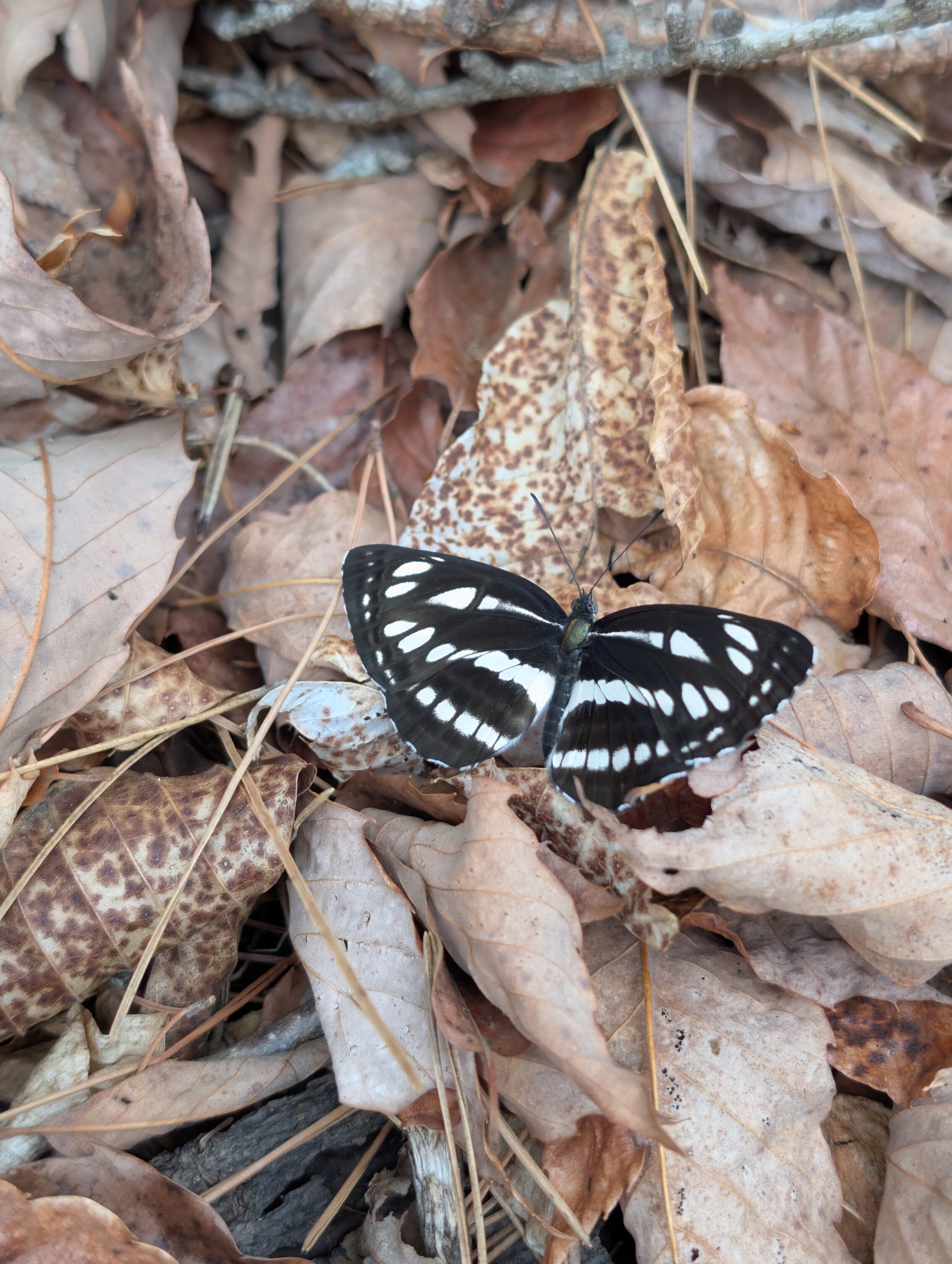
All photos of the butterflies were taken along the Nakasendō.
Birds
While the Japanese green pheasant, the Kiji, (Phasianus versicolor) is the national bird of Japan, the colourful common kingfisher (Alcedo atthis) is also a well-known symbol of all the ponds, streams and rivers of the country. These two famous birds aside, Japan also has a couple of endemic species that might be spotted along the path, such as the copper pheasant, and the Japanese green woodpecker, as well as a rich variety of other species. There aren’t that many fantastic birding spots right on the Nakasendō, as the path historically has tried to avoid for instance marshlands, river deltas and other favourite birdwatcher haunts. Nonetheless, you are very likely to see a lot of cool birds when you are hiking along the path, such as woodpeckers, various songbirds, thrushes, and birds of prey, and maybe if you’re lucky a green pheasant or two.
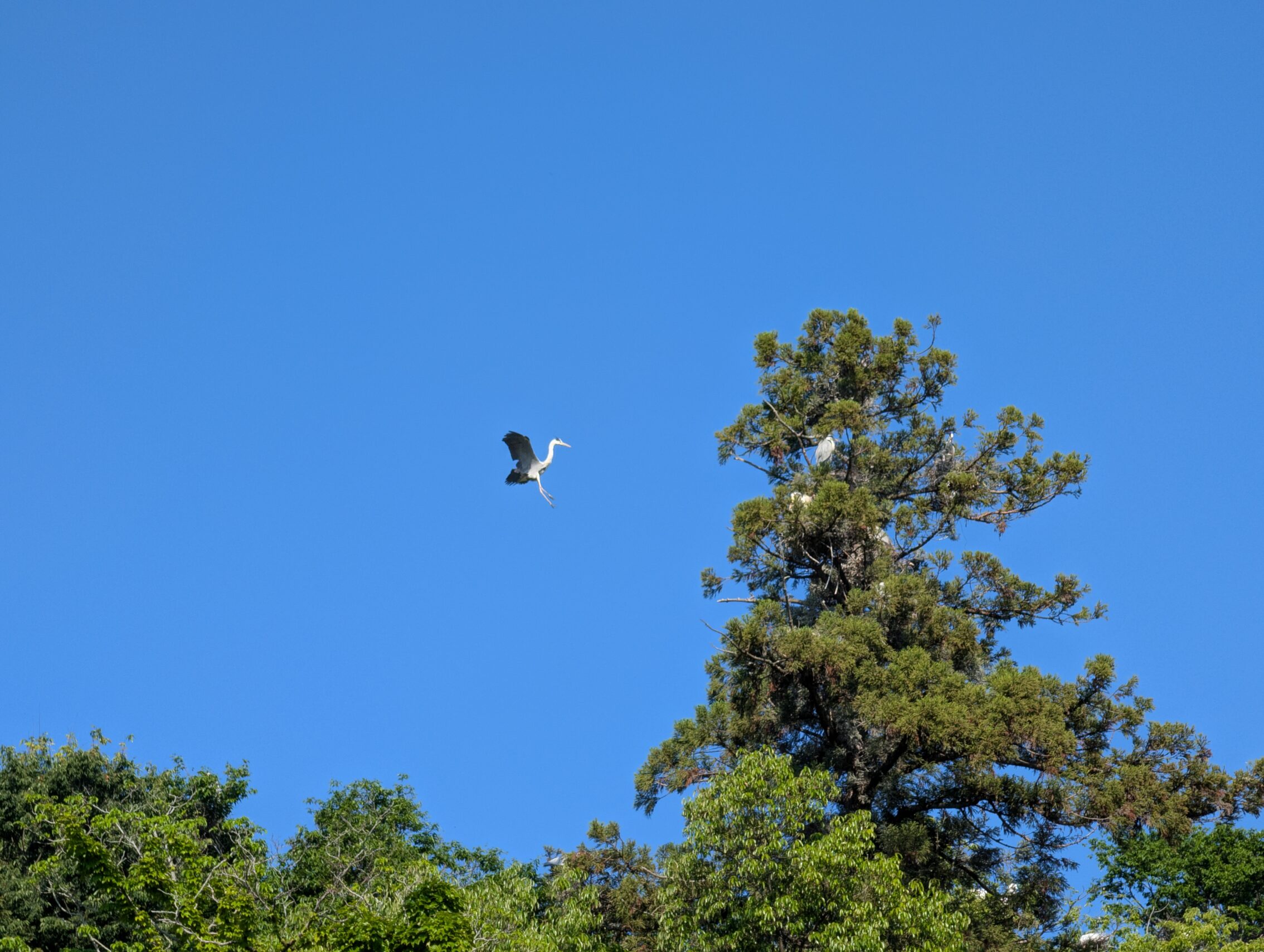
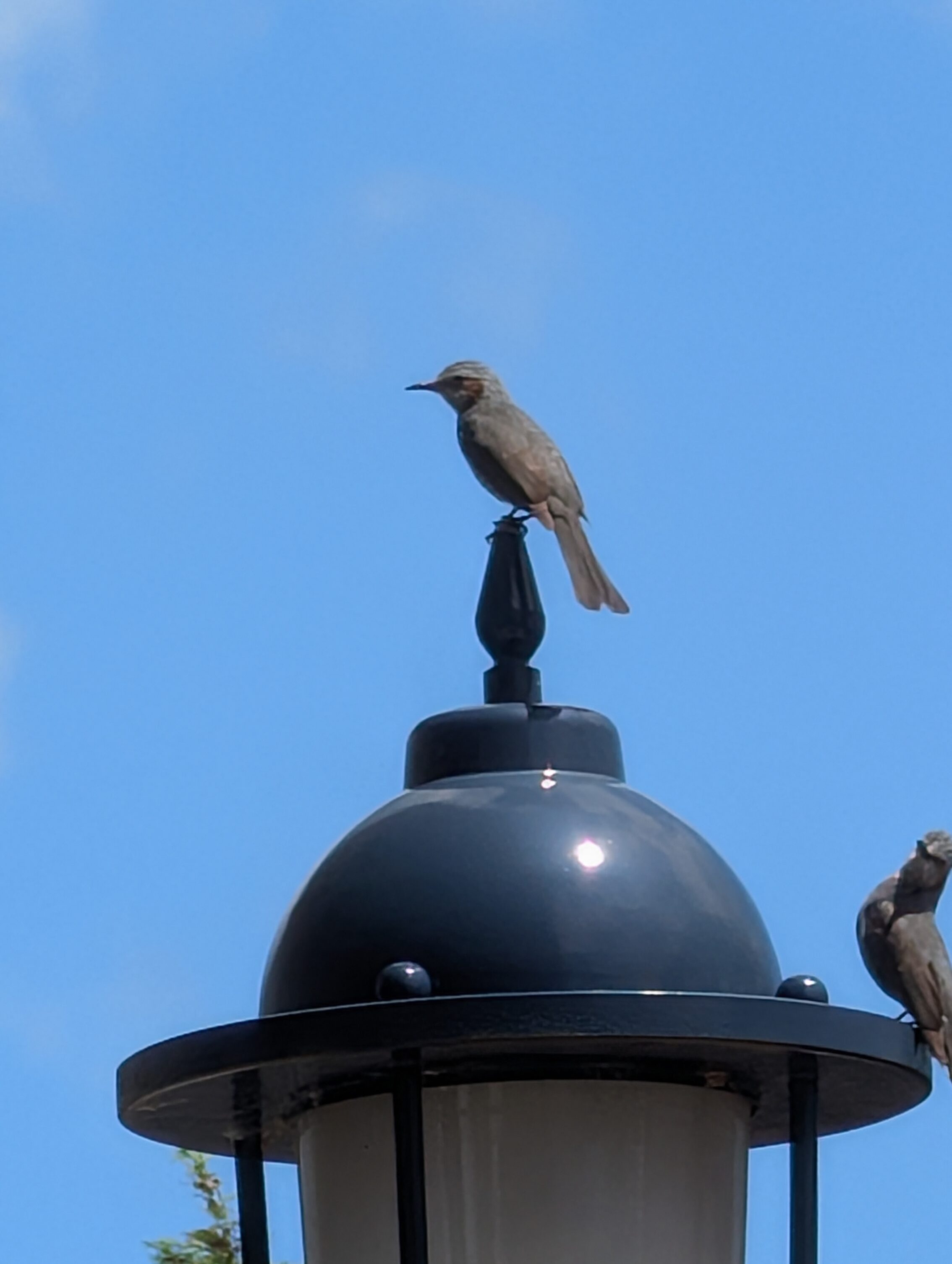
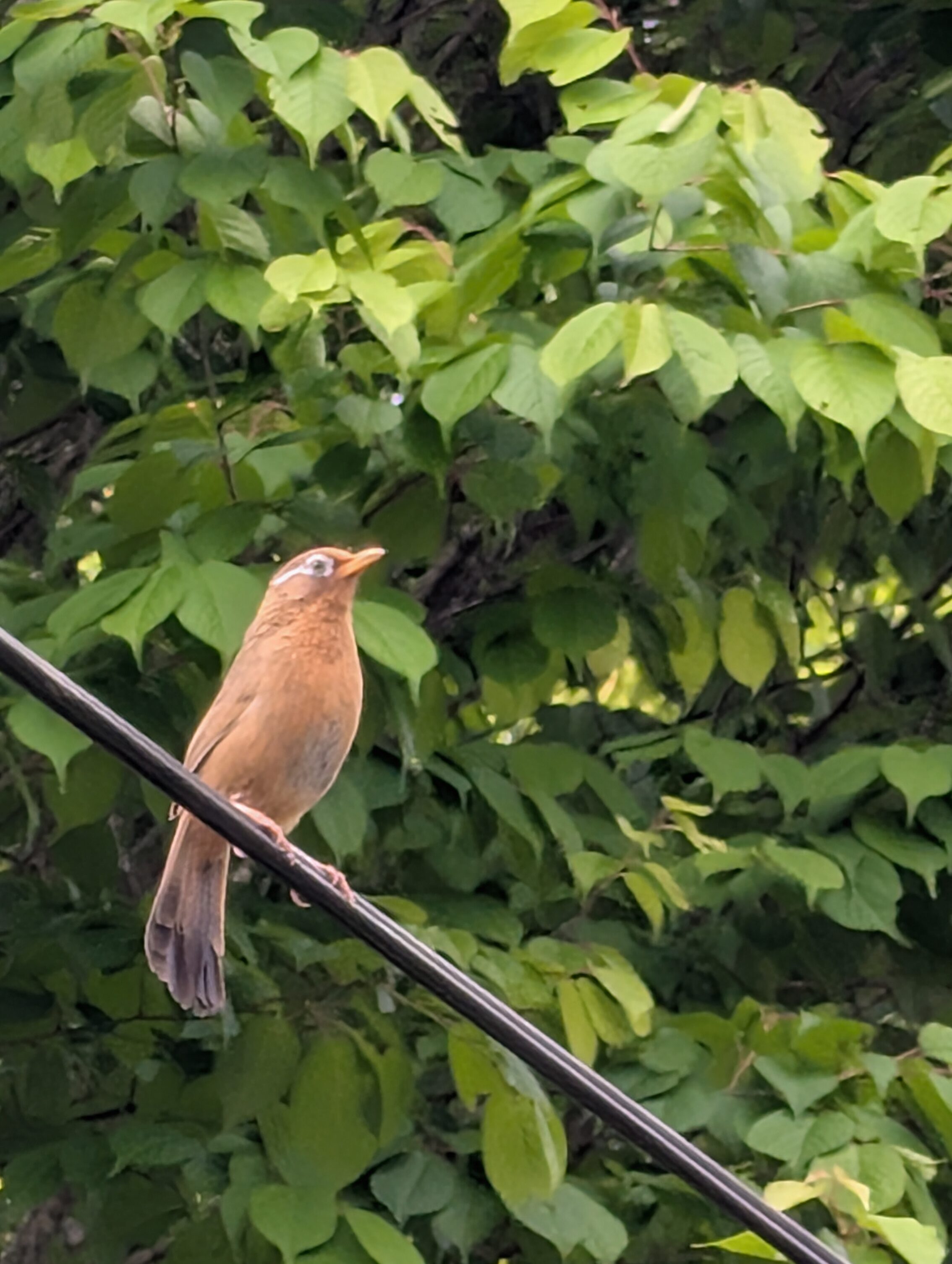
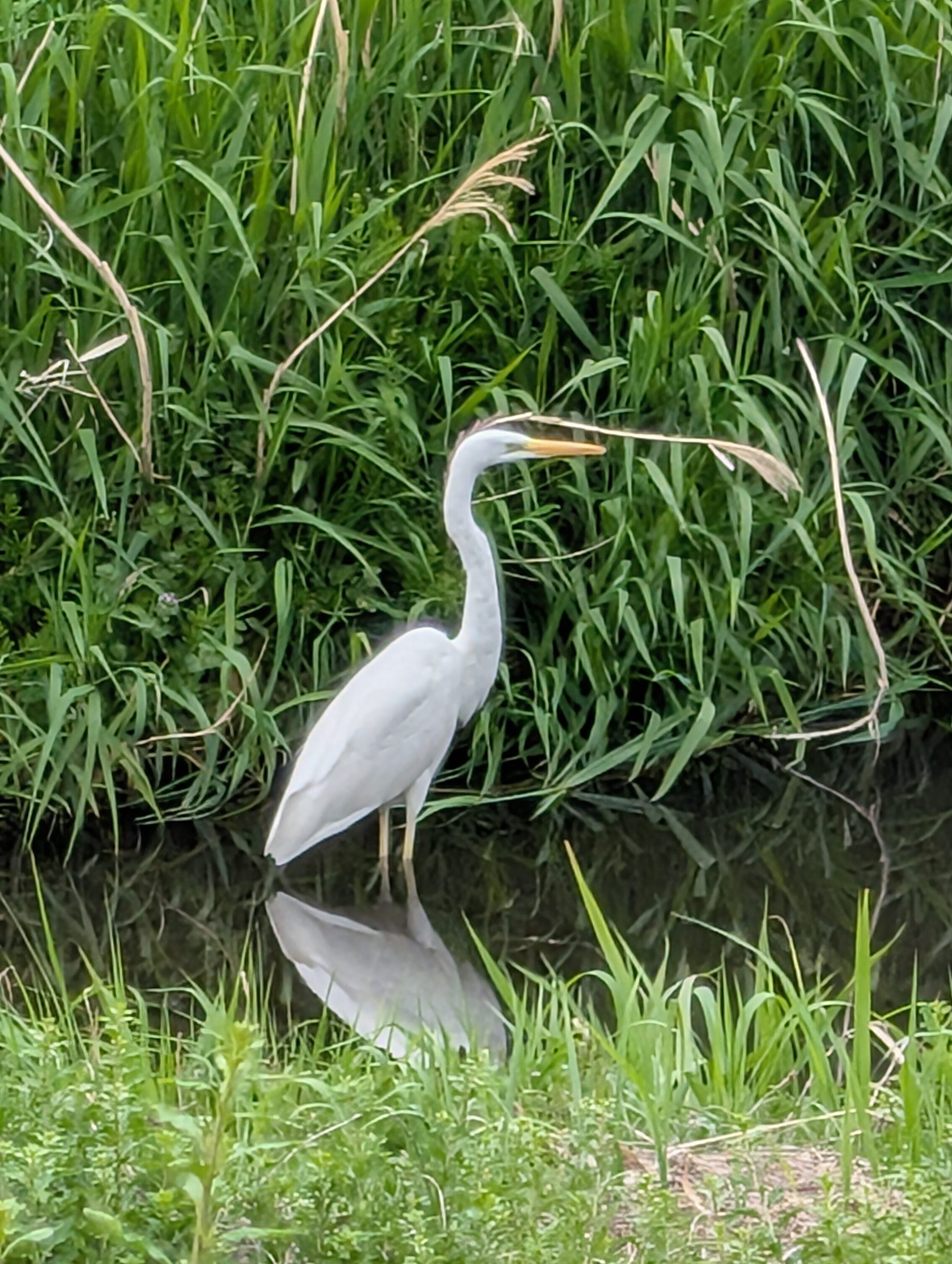
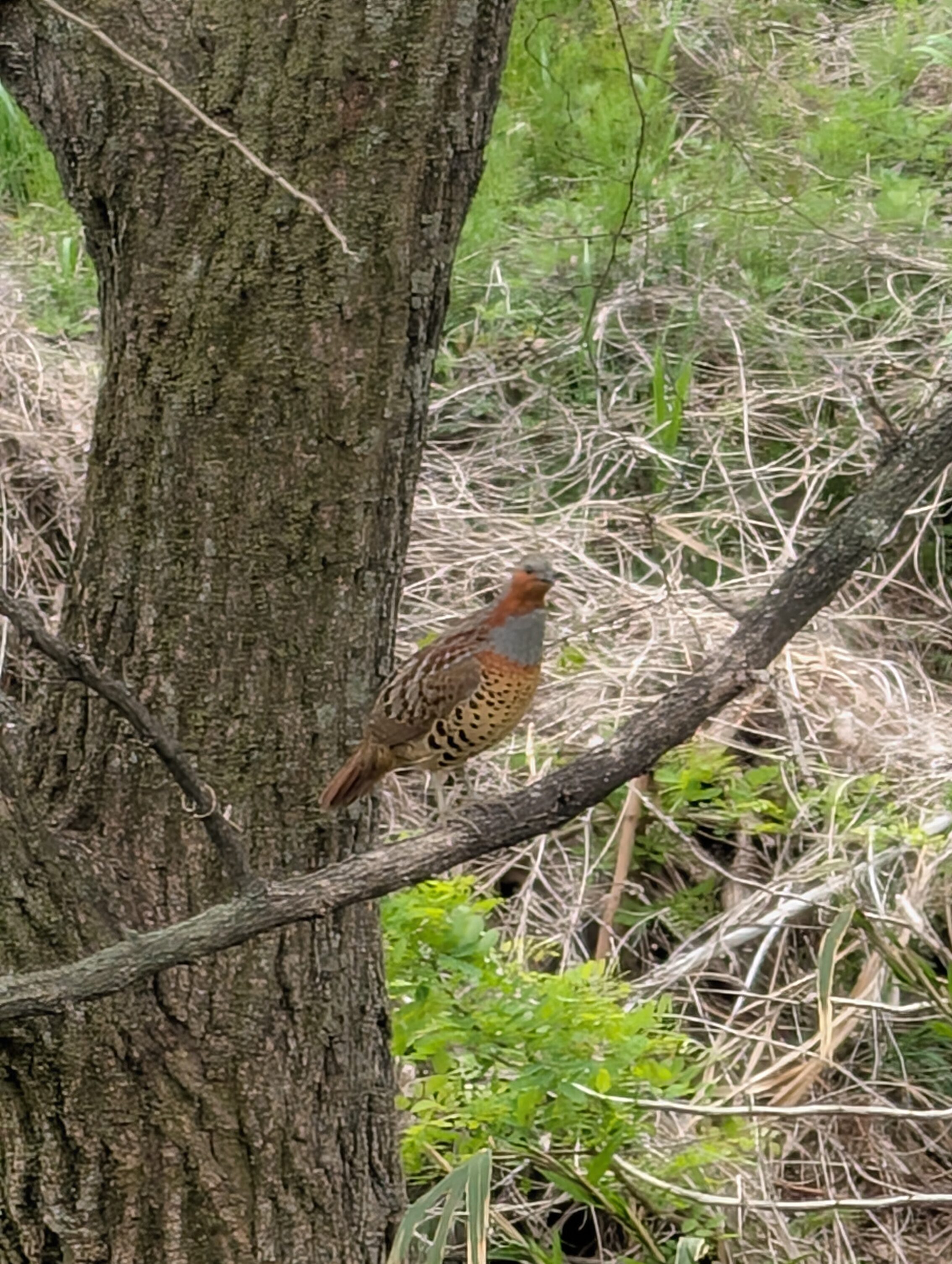
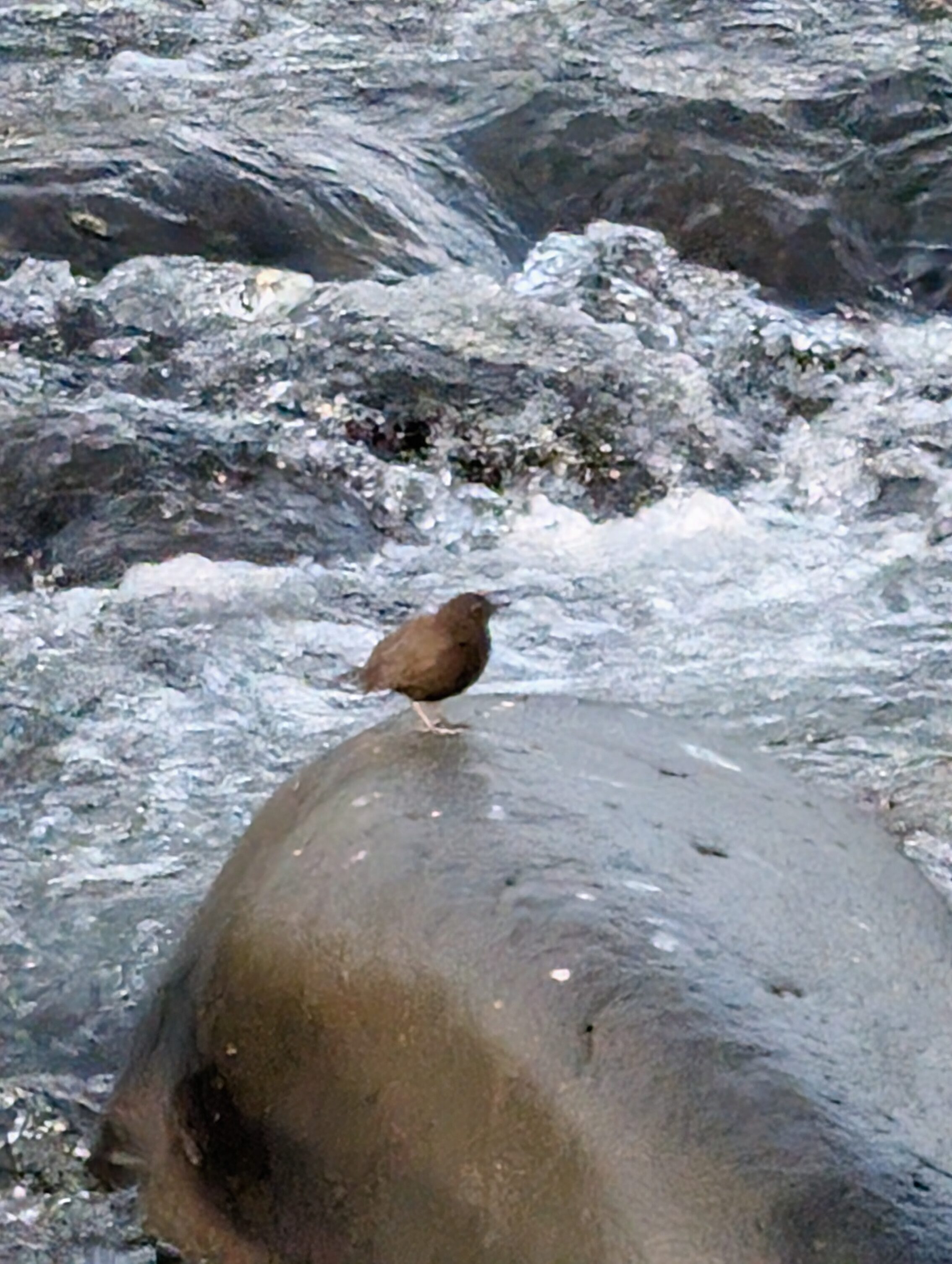
All photos of the birds were taken along the Nakasendō.
Venomous animals
There are a couple of species of venomous snakes in Japan such as the mamushi and the yamakagashi, and a few others, and they along with the brightly yellow-orange asian hornet, a species of centipede, and some varieties of spiders, can all make your life quite painful if you get stung or bitten. It’s best to avoid these creatures in the first place. Wear good hiking boots and long trousers, stay on the trail and avoid high grass, and if you against all odds are bitten or stung – seek medical help as soon as possible.
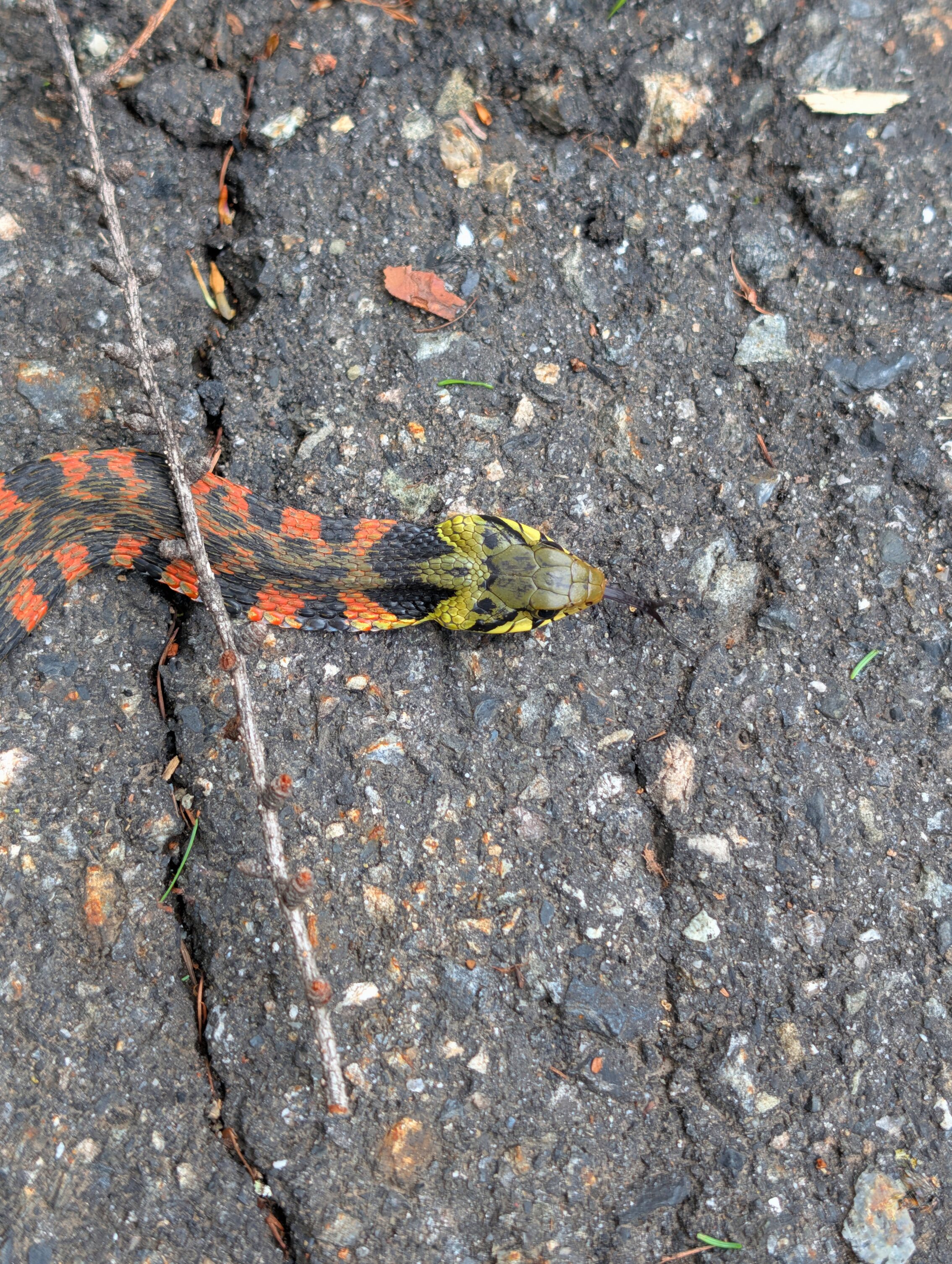
Photo taken in the mountains east of Sakurazawa in the Narai valley.
Leave a Reply