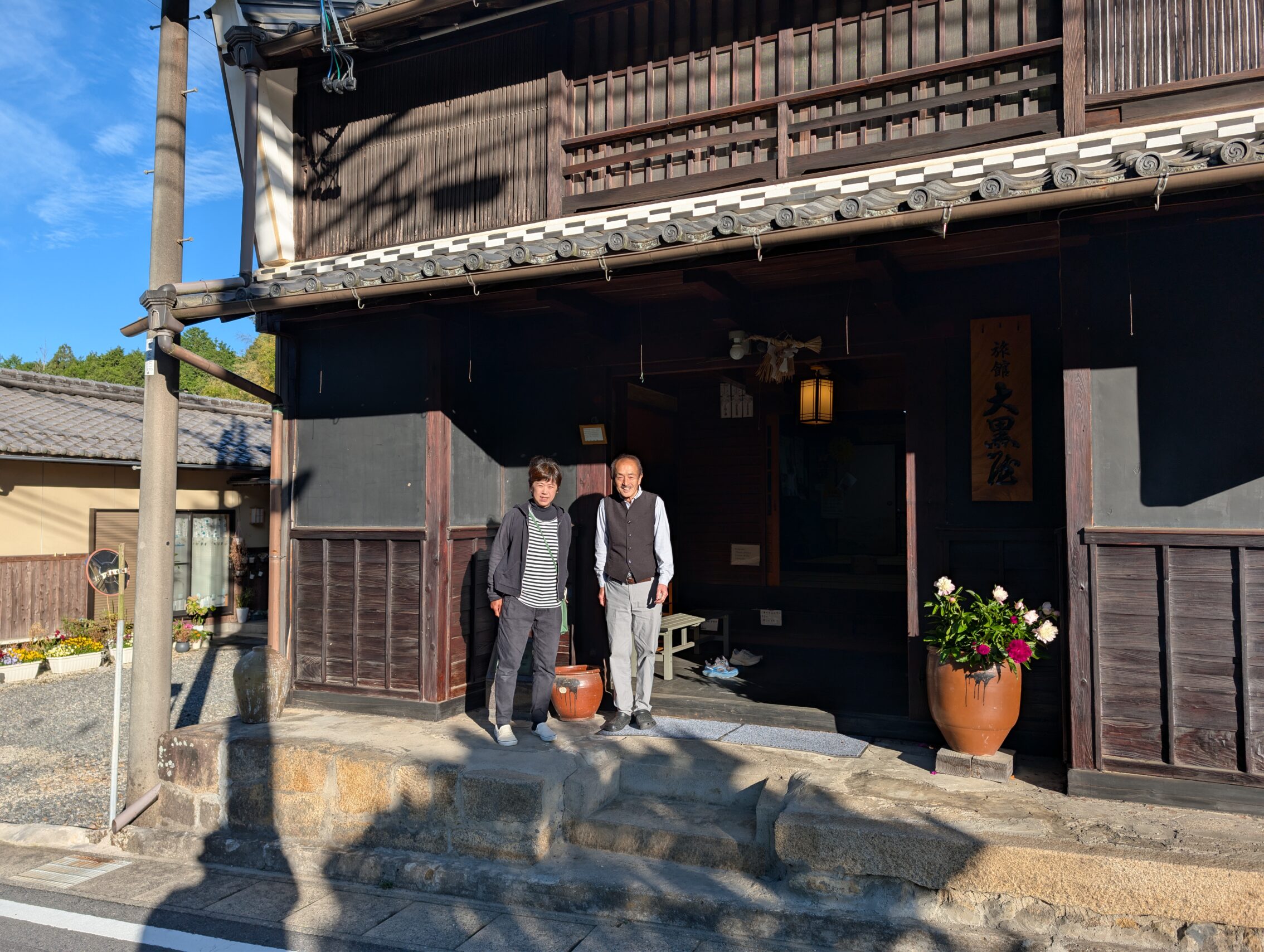
As I left Hosokute-juku, the owners of the ancient inn where I stayed the night graciously posed for a picture.
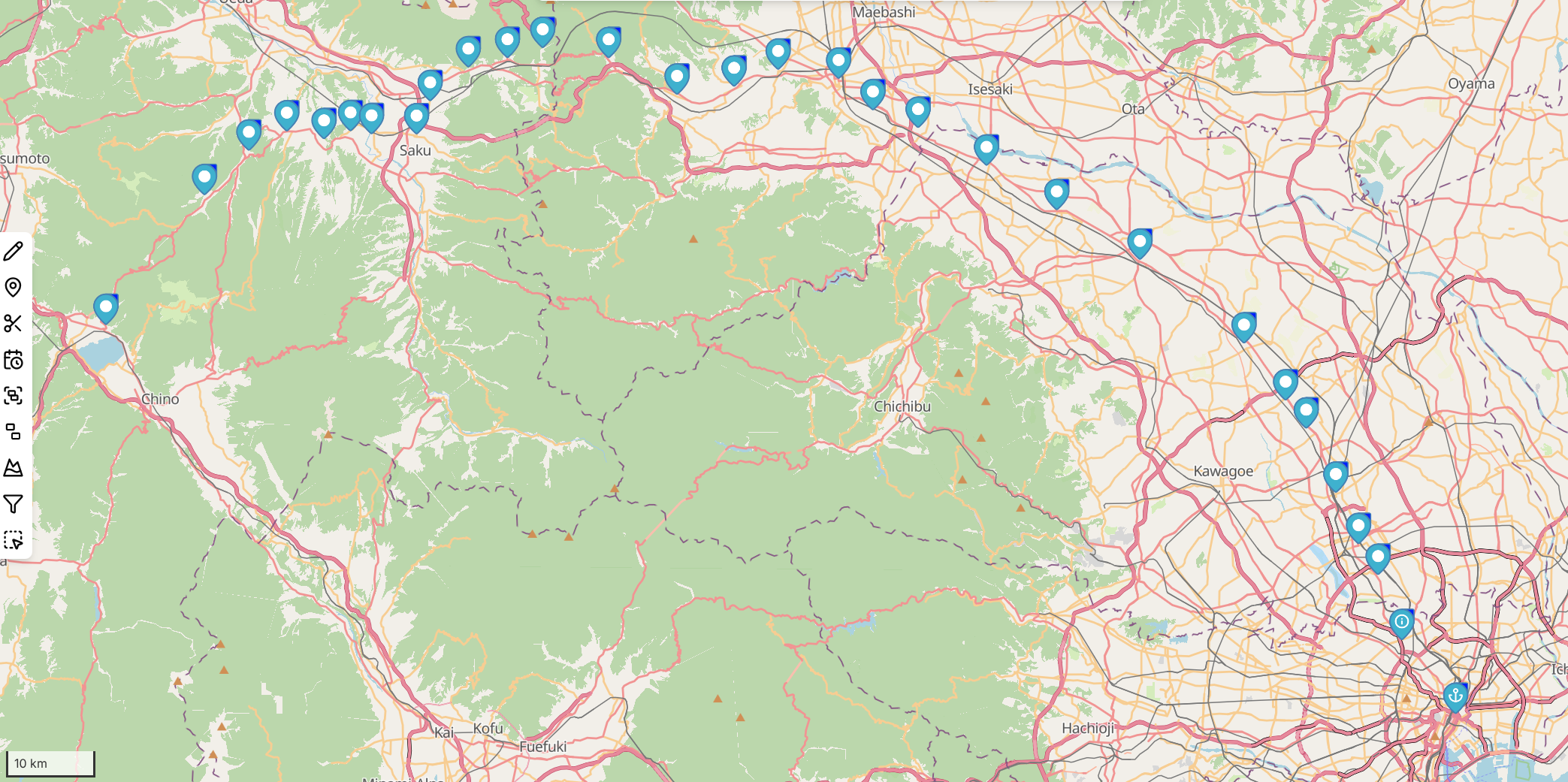
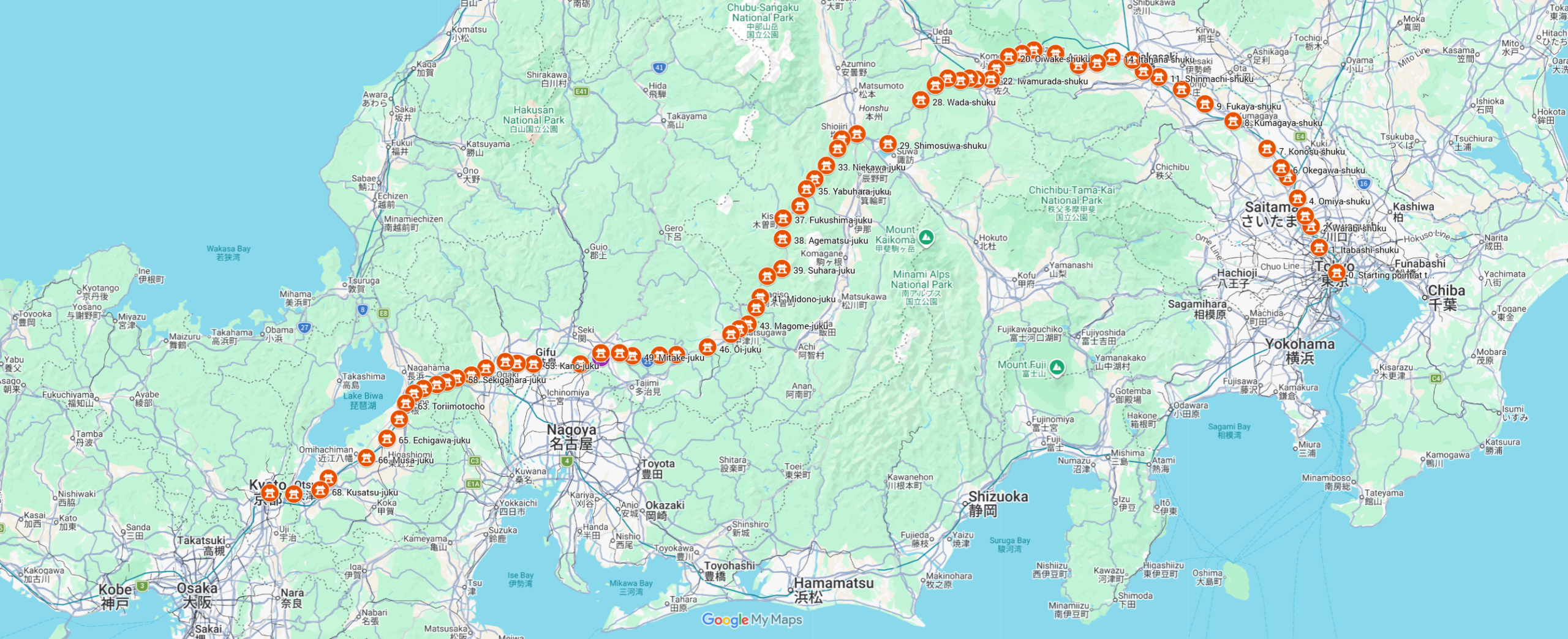
This day meant hiking along two legs again, from Hosokute-juku, via Mitake-juku, to Fushimi-juku. I also hiked about five kilometres along the next leg towards Ōta-juku to get to the hotel for the night.
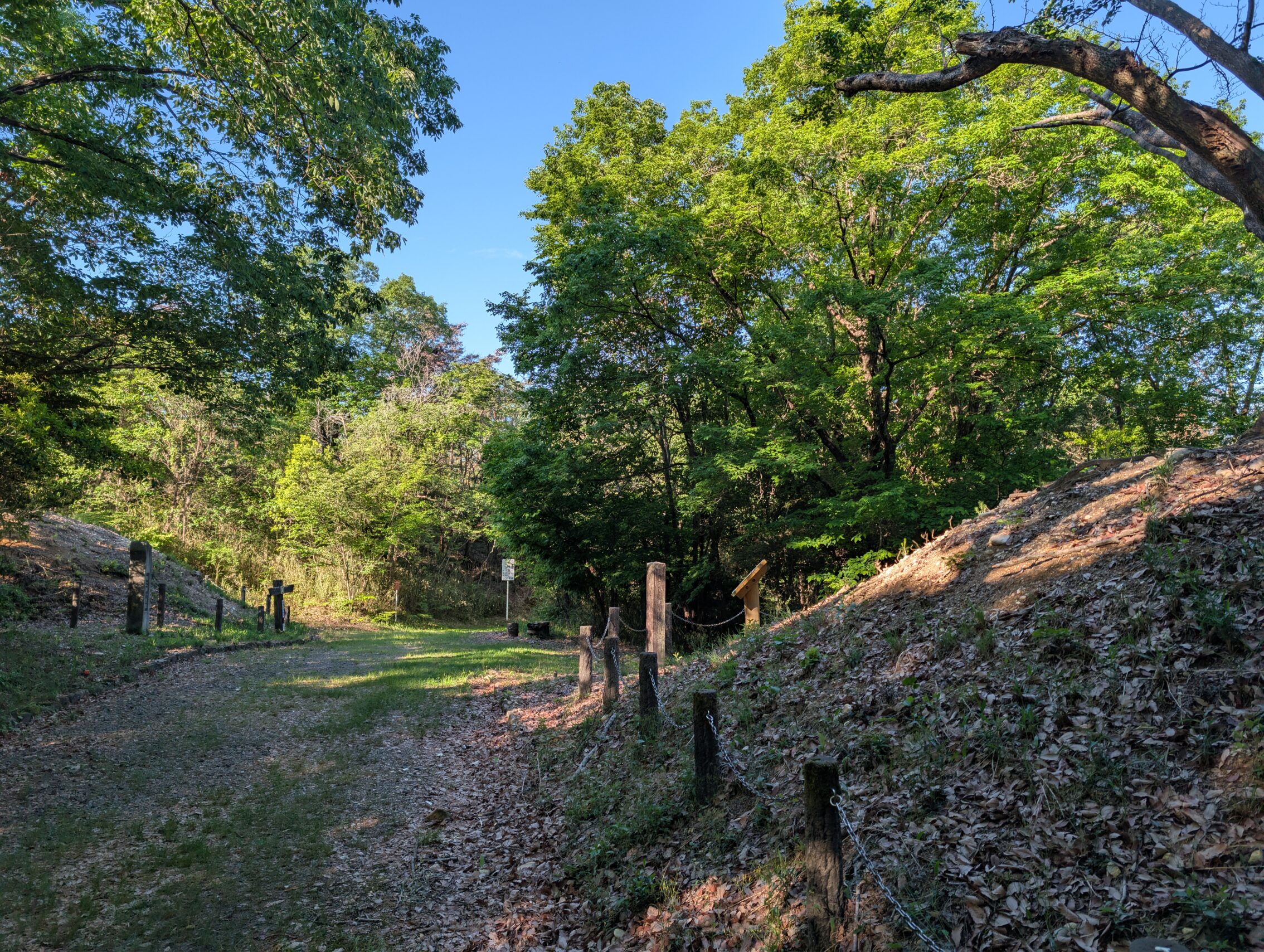
The path from Hosokute-juku towards Mitake-juku kept on the same tiny country road as the end of last day, before it veered off into the forest after about two kilometres. The path along this forest didn’t have any ishidatami, cobblestones, and for the most part wasn’t too steep. There were however an abundance of birds in that place! Did I manage to take a photo of any of them? Of course not! They decided to fly around quickly, and never ever sit still, or if they did sit still, they chose to do that well hidden from my puny phone camera. But it was a lovely feeling nonetheless!
The sixth of the complete milestones, the Kamonosu ichirizuka presented itself pretty early as well deep in the forest.
The path also crosses the Monomi pass, which is a rather mild pass in comparison to a lot of others I have taken on, but just up the hill from it, there is a viewpoint where you can see… basically nothing, except forest and sky – which I suppose isn’t a bad thing, really! However, there is a plaque showing which direction to look to see Mt. Ontake.
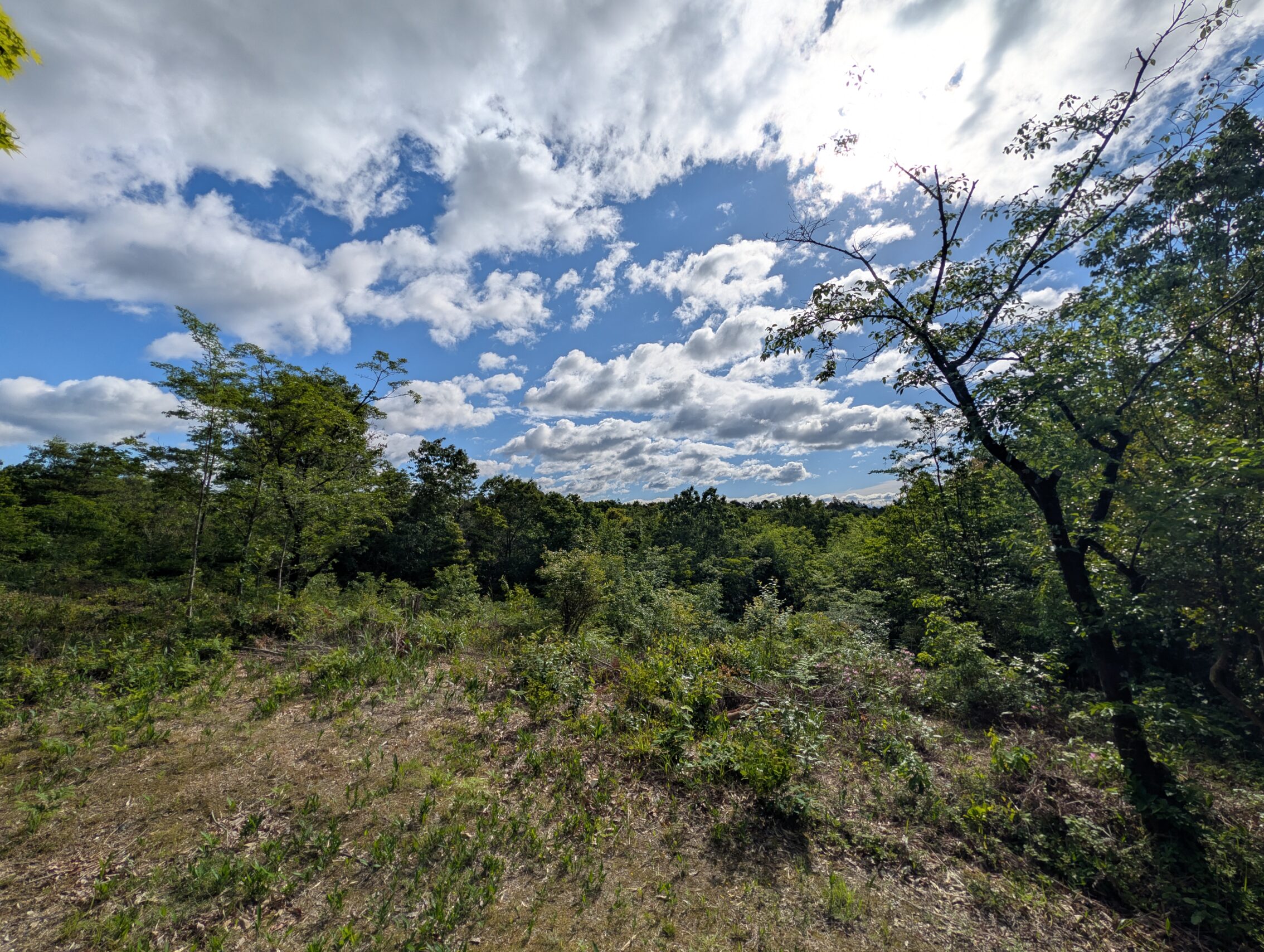
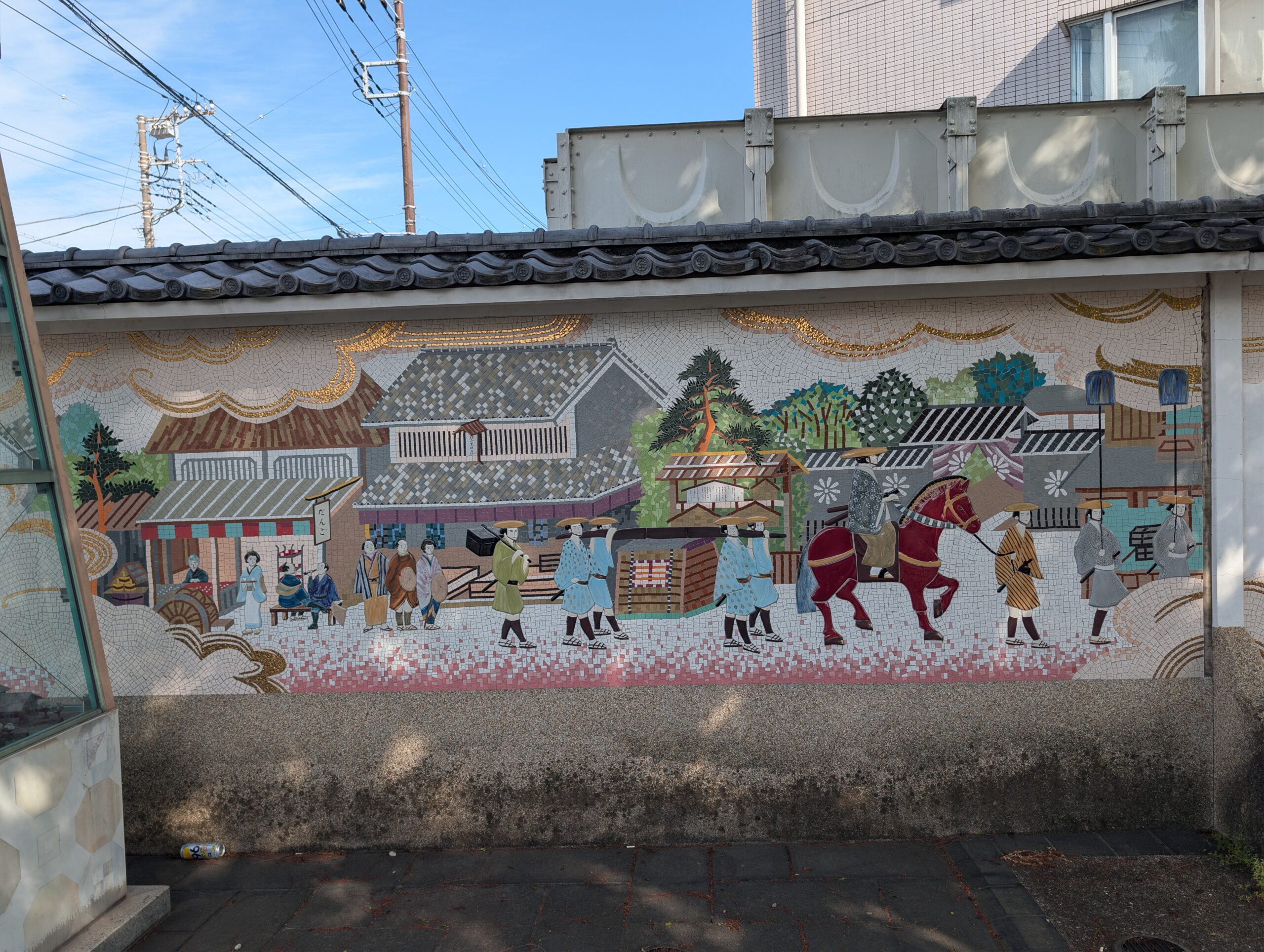
The Nakasendō is also sometimes referred to as the Hime Kaidō, which means the princess road. This name was also given to a lot of other minor roads for various reasons. For Nakasendō, it was because among other things the princess Kazunomiya who made the trek at the very end of the Edo period from Kyoto to Edo to get married. She and her entourage of several thousands of people – accounts vary – including servants, soldiers (lots of soldiers), craftsmen, courtier ladies and so on basically flooded the countryside as the procession wormed its way towards the political capital. As the princess approached, new houses were built to accomodate all the people, and the road was widened, new bridges were built and more. The top of the Monomi pass was no different, and there was a lot of construction done there, including a couple of houses. At this place, the princess is said to have lamented that she would never get to visit Kyoto again, but that she was soothed by the beautiful views.
Mitake-juku is mostly made up of modern houses, but there are a couple of gems. The best one is the former house of the Takeya merchant family. It is a museum today that is open to the public, and you have the house itself, a small garden, and a couple of warehouses in the back that are mostly open to explore!
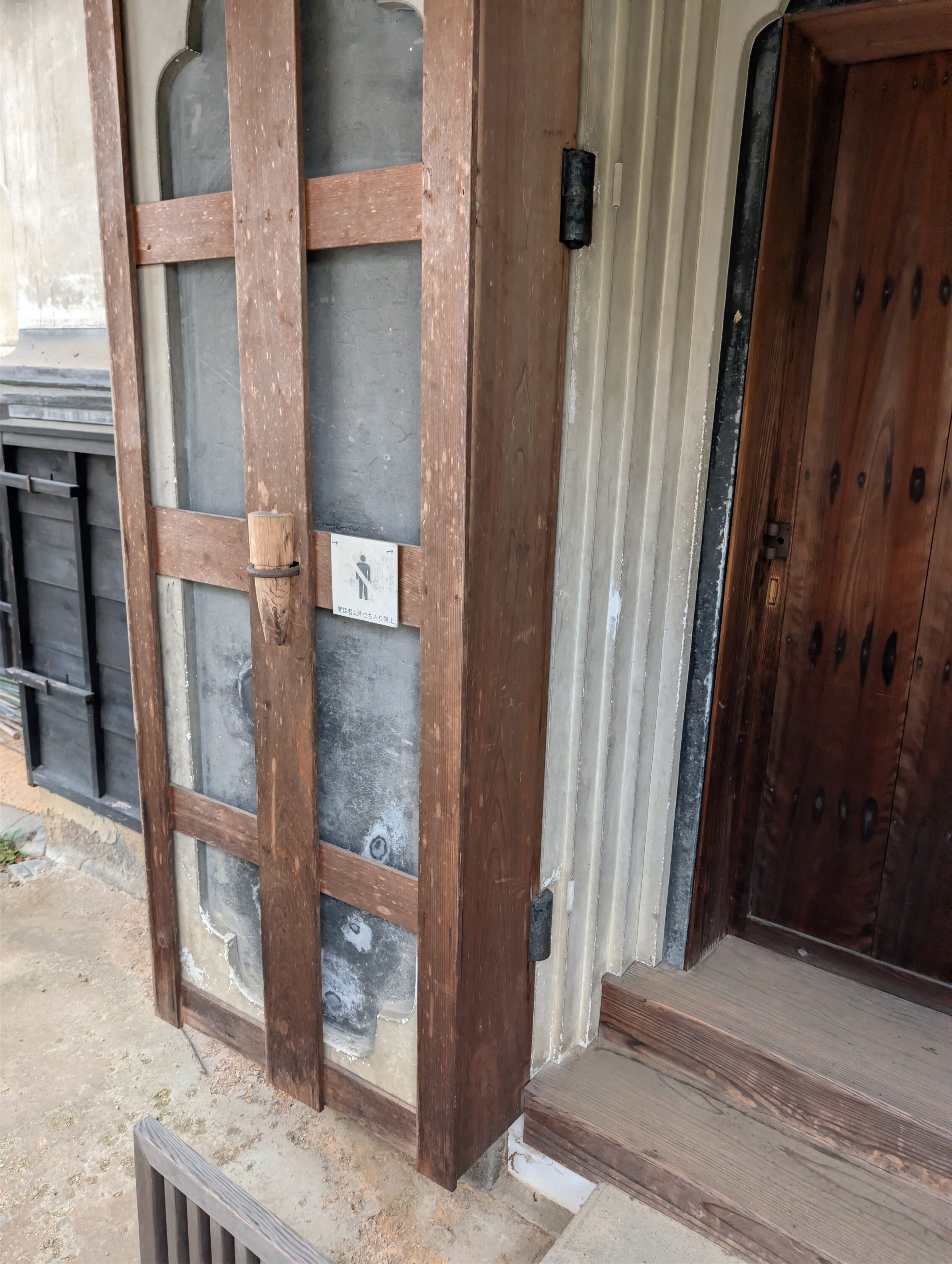
The road from Mitake-juku towards Fushimi-juku is mostly along modern roads, at times with rather a lot of traffic. Luckily your attention can get diverted to other things!
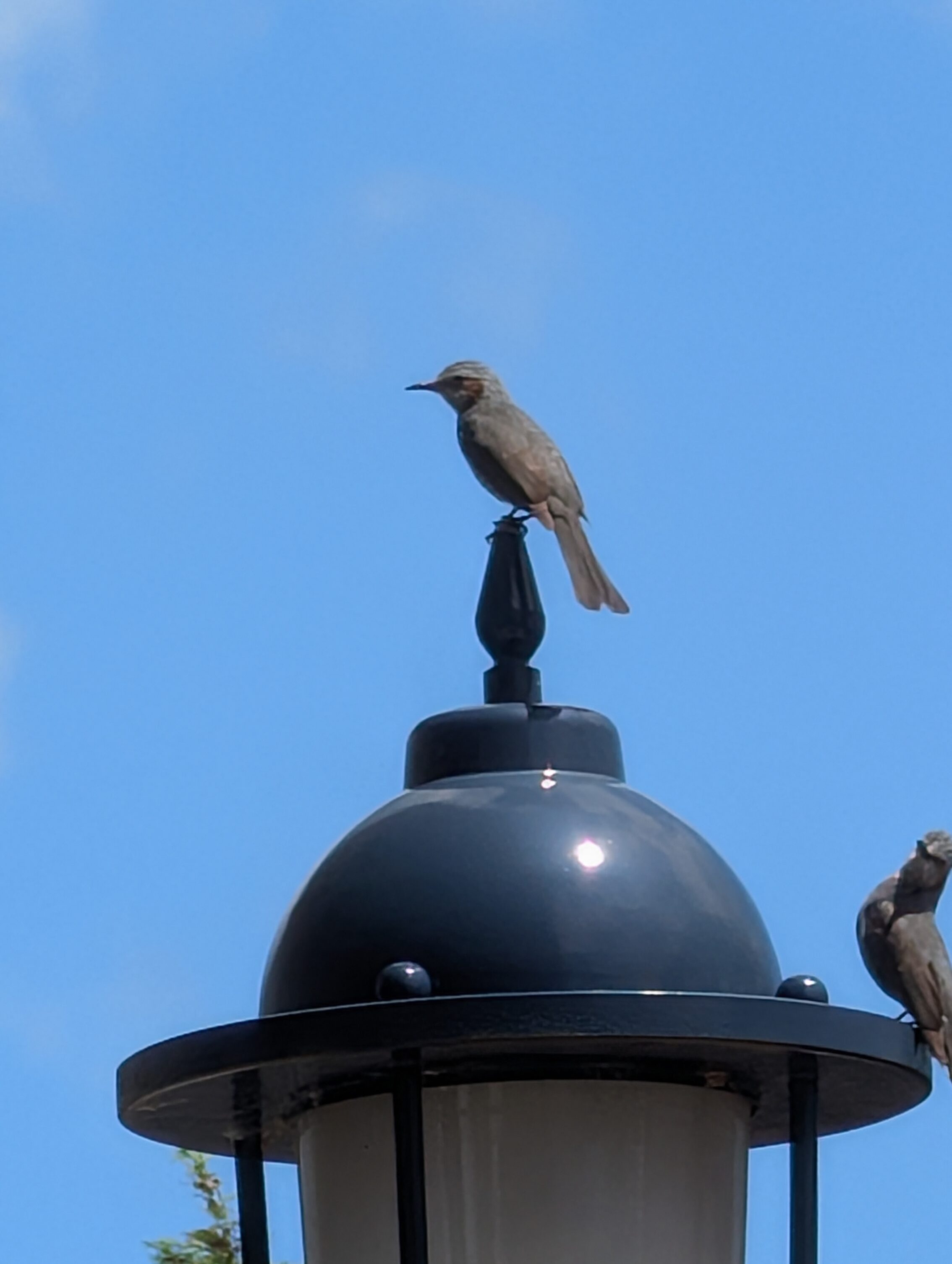
I also happened to be able to catch a couple of brown-eared bulbuls on top of a street light!
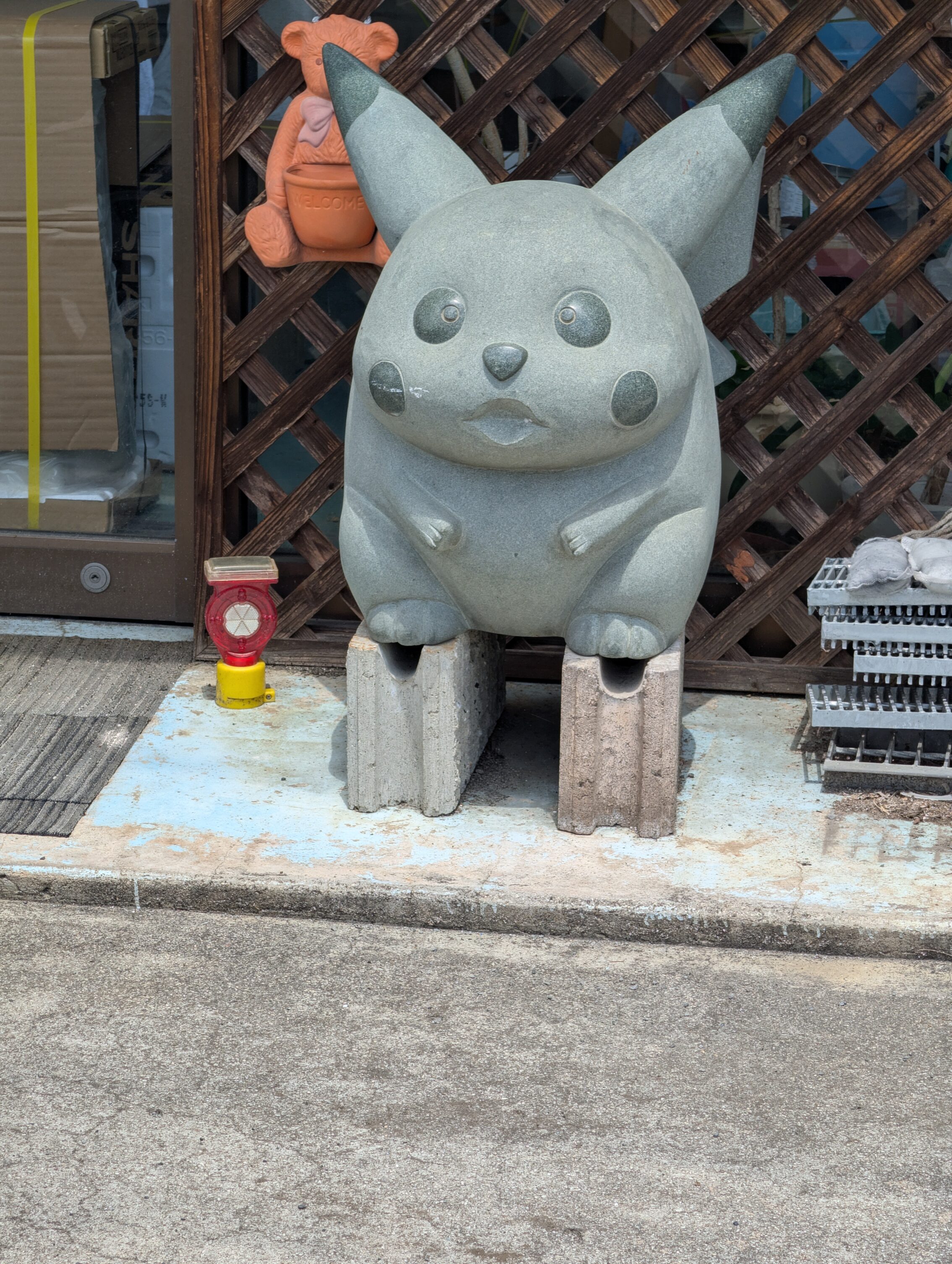
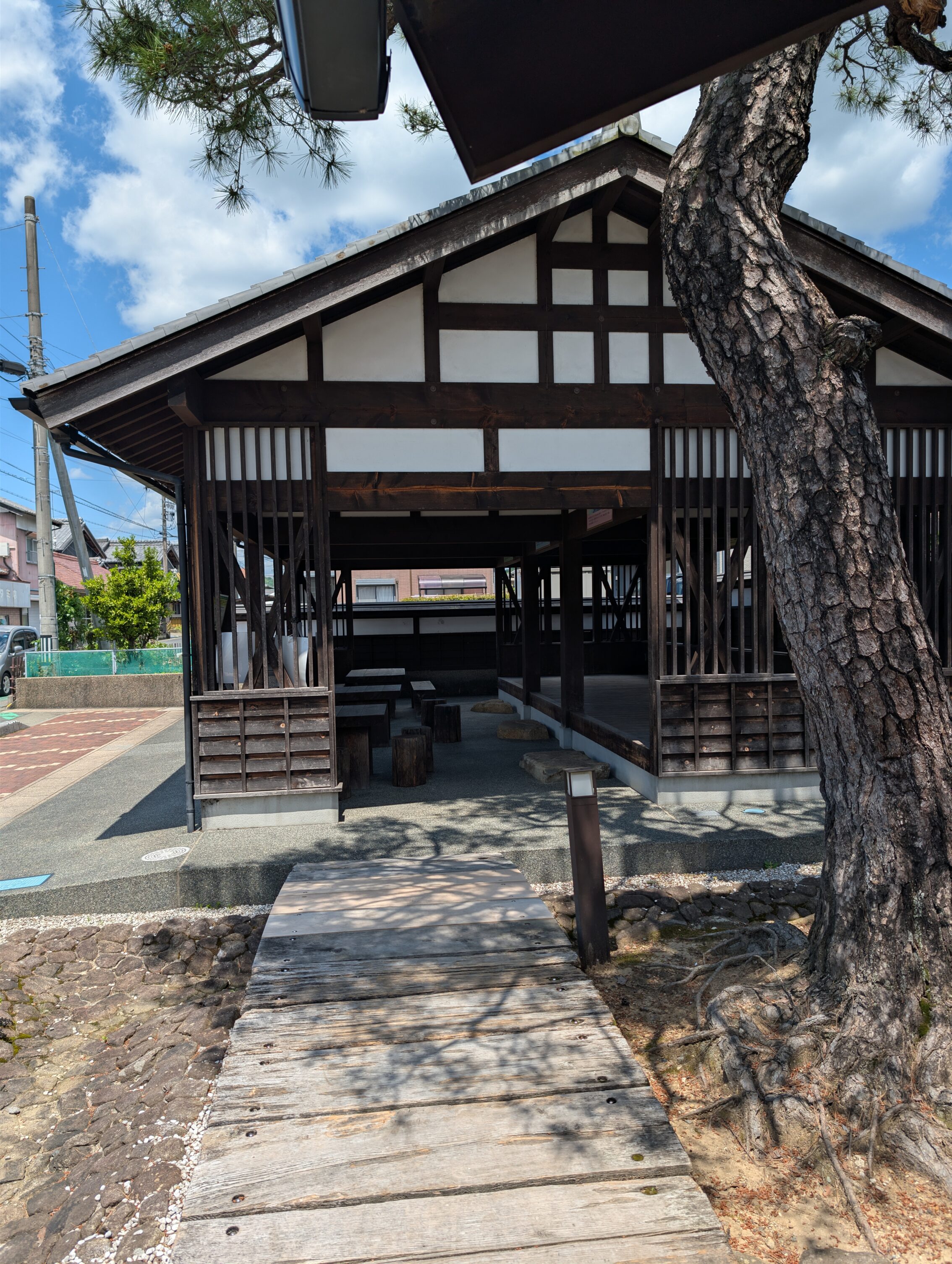
Fushimi-juku is mostly gone completely. They have a small park, and I use that word in the widest possible meaning as it’s basically a single tree, that is dedicated to the old post station. There are some information boards, and markers and so on. Fushimi-juku was important as a place for shipping things. The Kani river passes by just beside the old post town, and it is apparently placid enough to have served as a great shipping lane. Well, compared to the Kiso river which runs further to the north, most rivers are rather placid. An interesting story about Fushimi-juku is that in 1824 a camel was seen in town. It was supposed to have been a gift for the Shōgun who refused it, and an enterprising businessman took it on a tour of some places in Japan. It stayed in Fushimi for about three days, and according to records, over 2 000 people came to see it.
Milestones passed today.
The Kamonosu ichirizuka is in its original form. See above.
The Utazaka ichirizuka, was destroyed in the Meiji era, but one of the mounds was restored in 1934 by the local community.
Kayamori ichirizuka is gone, and it’s only rather recently that the exact spot for this milestone has been found, thanks to the detective work of the director of the 69 Post Stations Museum in Oiwake-juku!
The Higoromo ichirizuka is gone, but has a stone.
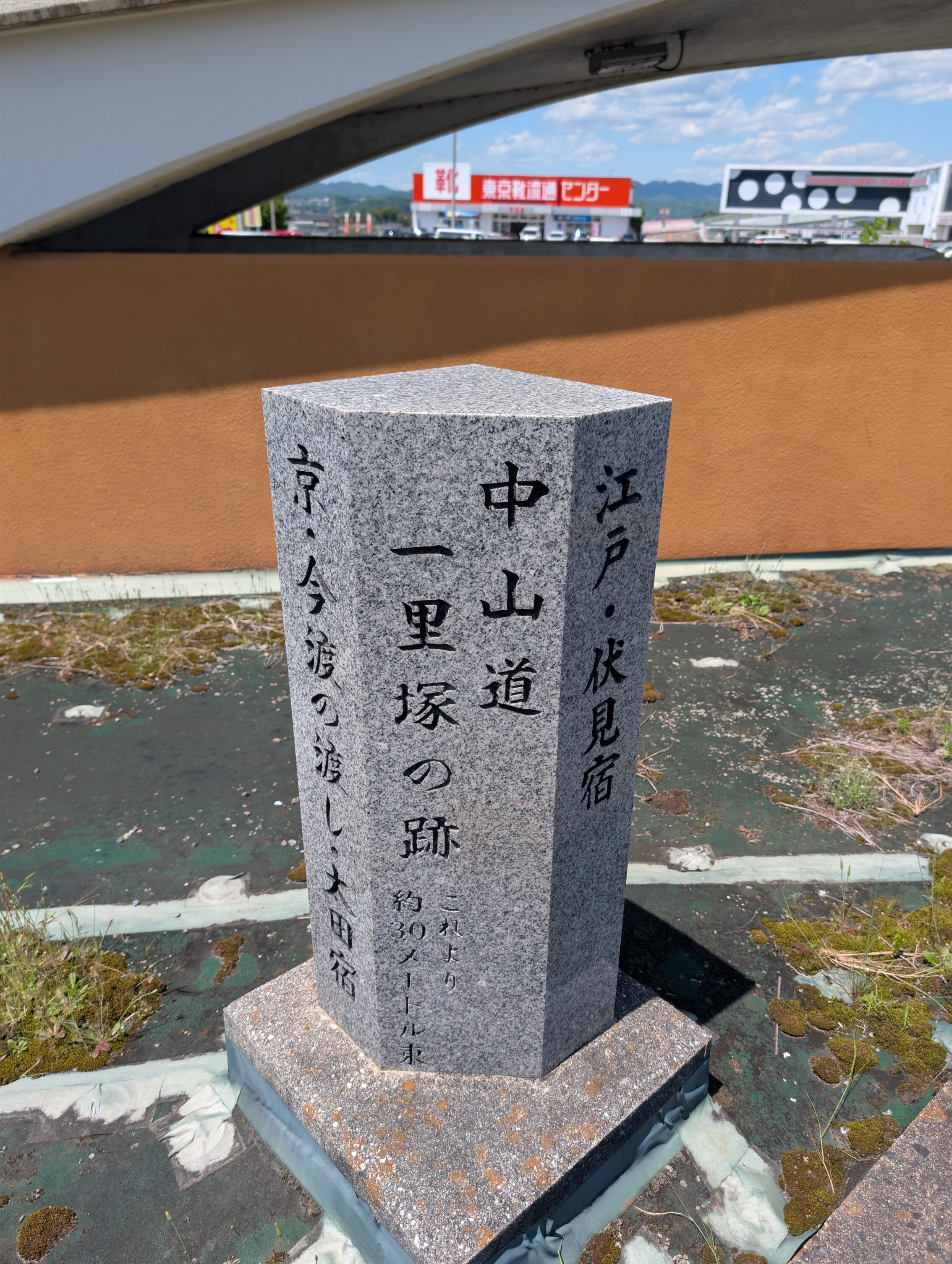
The Medo ichirizuka was destroyed rather quickly after the Edo period, and so was the old namiki row of trees in that place. The milestone was commemorated with a modern stone marker on the 400th anniversary of the inauguration of the Nakasendō, in 2002.
Kilometres hiked today, if you believe the map: 21.7 km
Kilometres hiked today, if you trust an app instead: 23.1 km
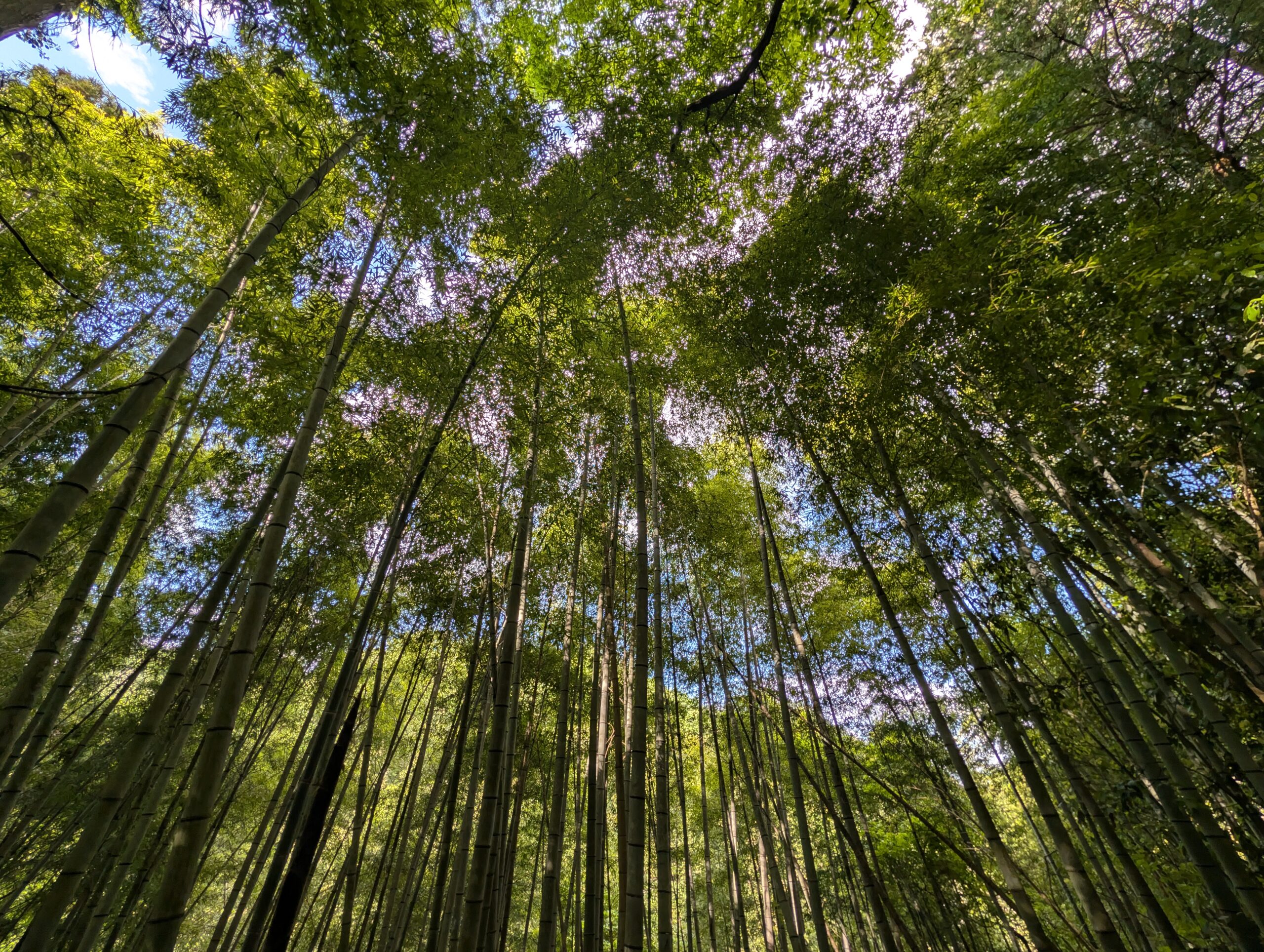
The featured picture at the top is an obligatory picture when visiting Japan. A bamboo grove!
Leave a Reply