Kisoji
-
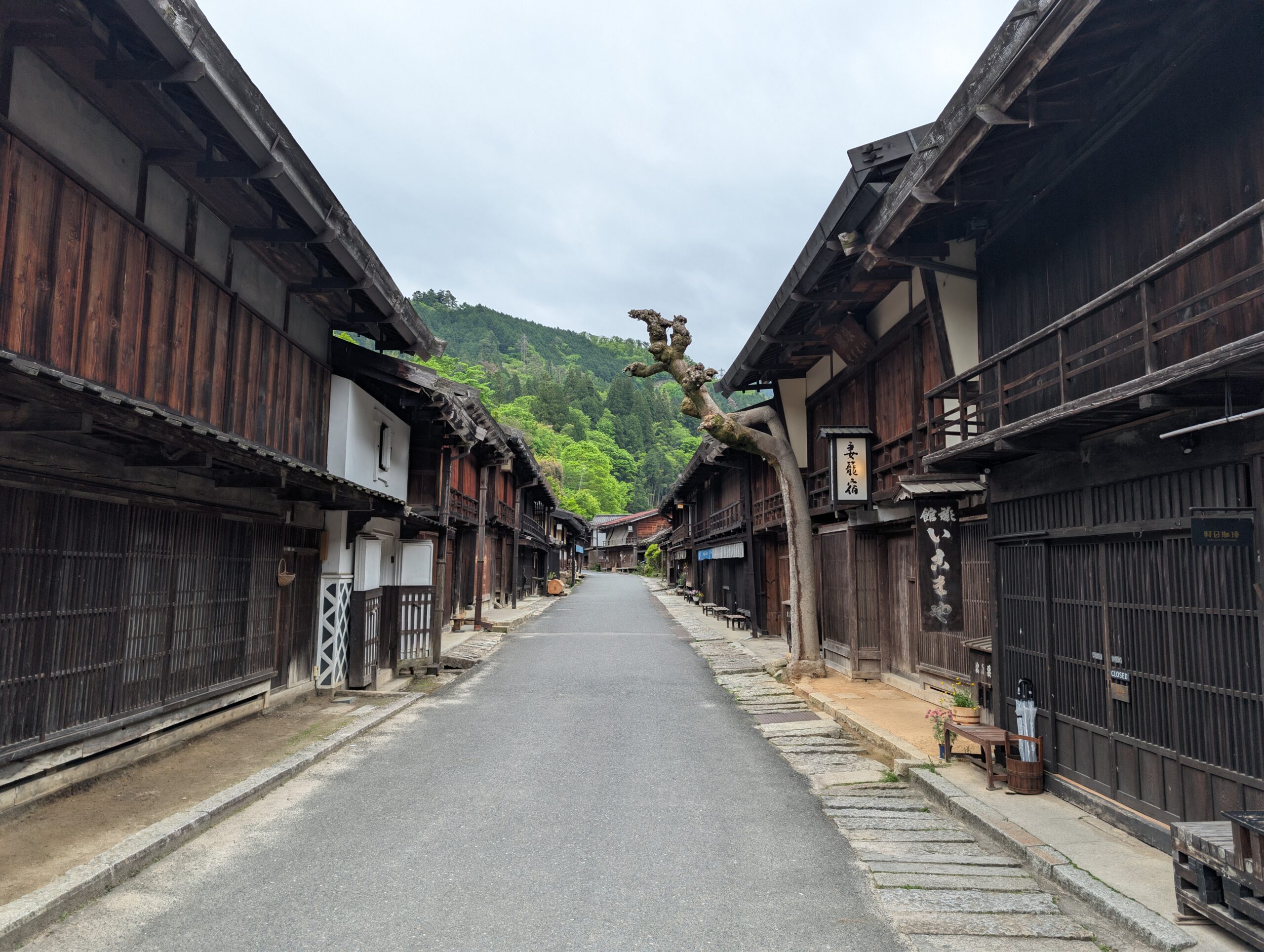
41. to 44. Midono to Nakatsugawa
This hike covers what probably are the most famous and well-known passages along the whole Nakasendō: the Magome pass between Tsumago-juku and Magome-juku, as well as the Ochiai cobblestones (ishidatami) on the leg between Magome-juku and Ochiai-juku. The path towards… …more
-
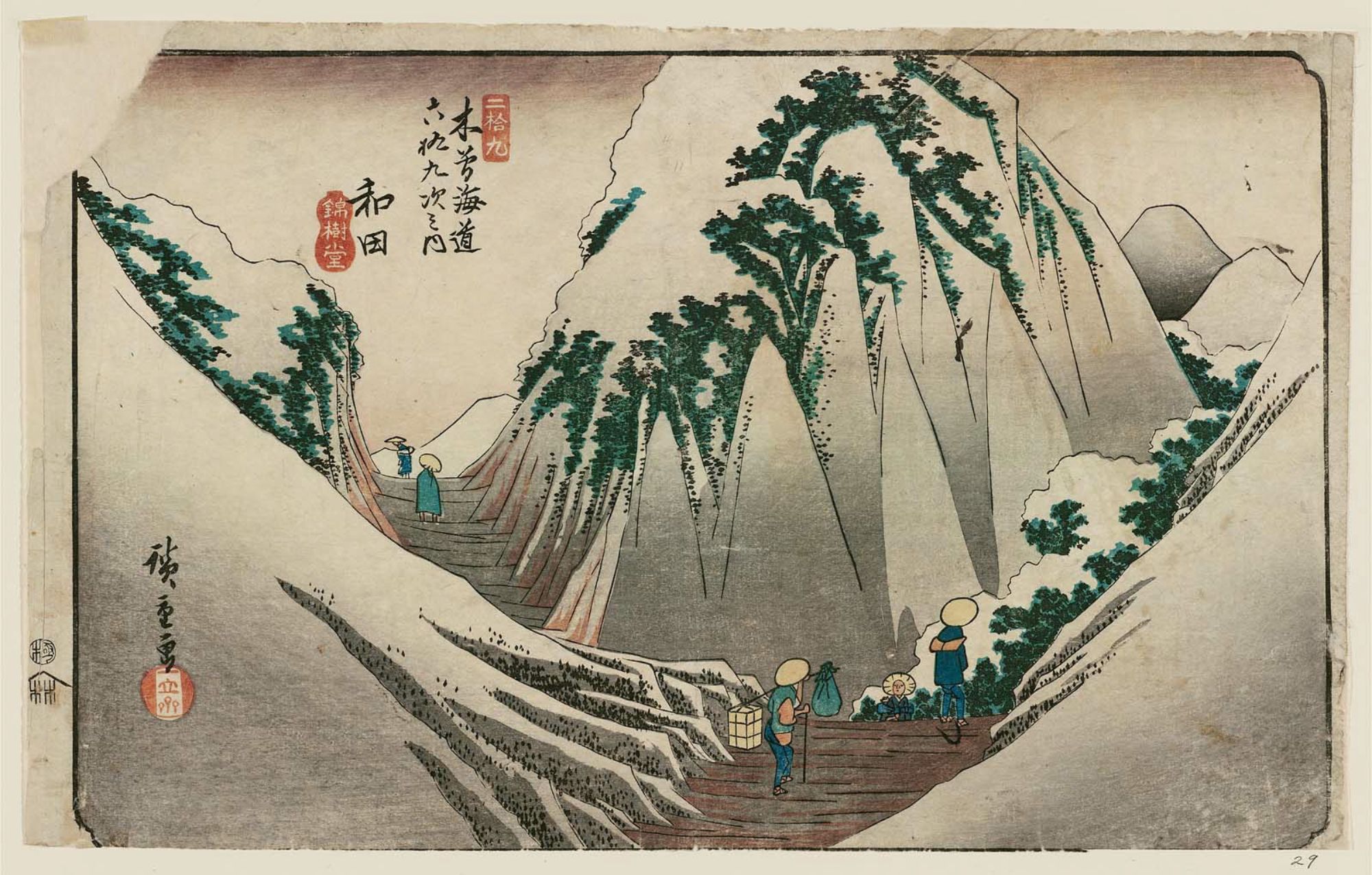
Sixty-nine Stations of the Kiso Kaidō
In the early to mid 19th century, the master artist Utagawa Hiroshige made a series of woodprints, ukiyo-e, of the 53 stations along the Tōkaidō road between Tokyo and Kyoto. In contrast to the Nakasendō, the Tōkaidō hugs the coast… …more
-
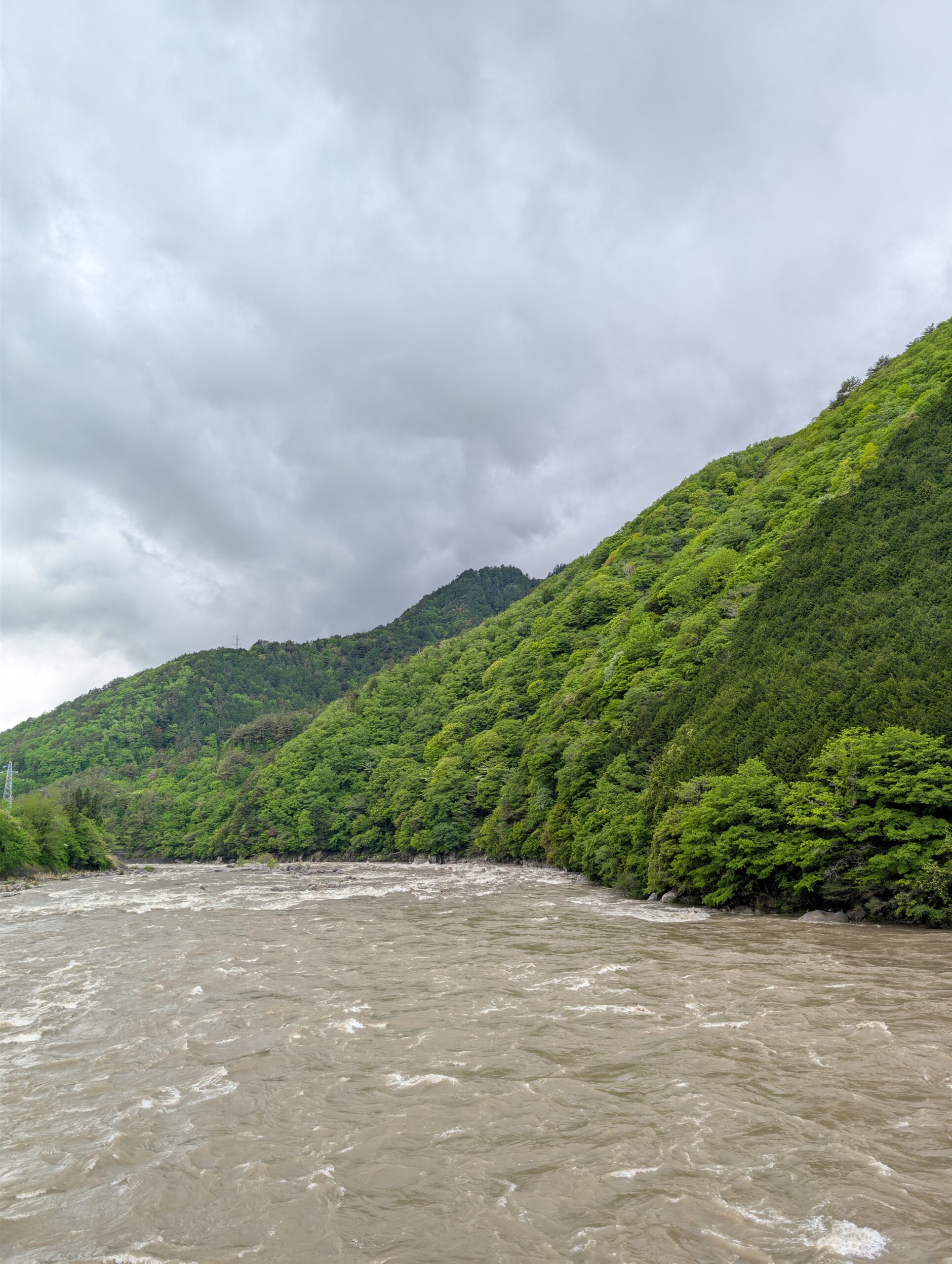
39. to 41. Suhara to Midono
I rained *a lot* during the night when I stayed in the minshuku in Suhara-juku. My weather app even sent me flood warnings for the area… But a lot of rain brings another interesting change except for making everything wet.… …more
-
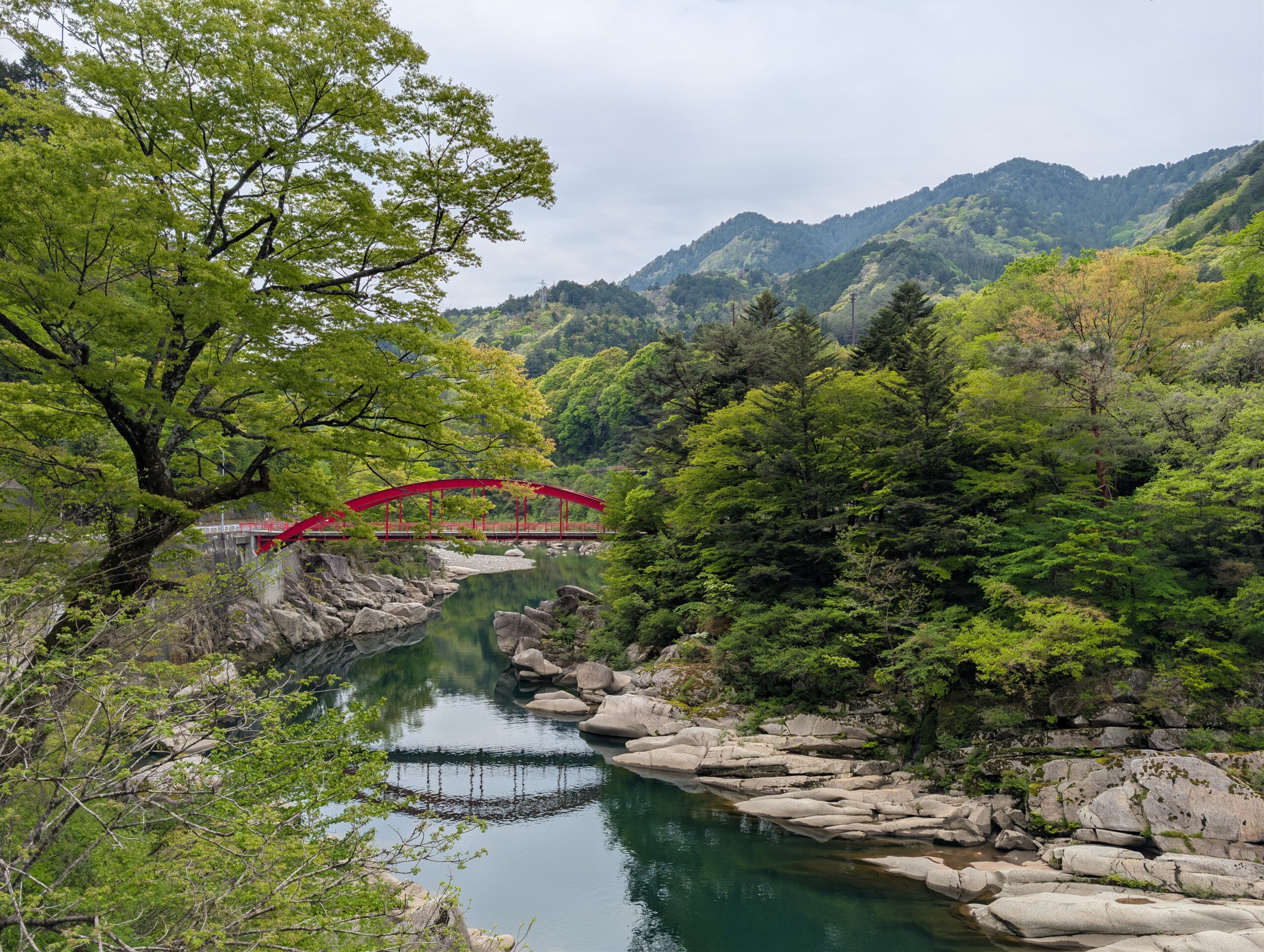
37. to 39. Fukushima to Suhara
This day was a sometimes fantastic hike, and at other times rather hard on the psyche. I started off in Kiso-Fukushima, hiked via Agematsu-juku and ended up in Suhara-juku at the end of the day. On the positive side of… …more
-
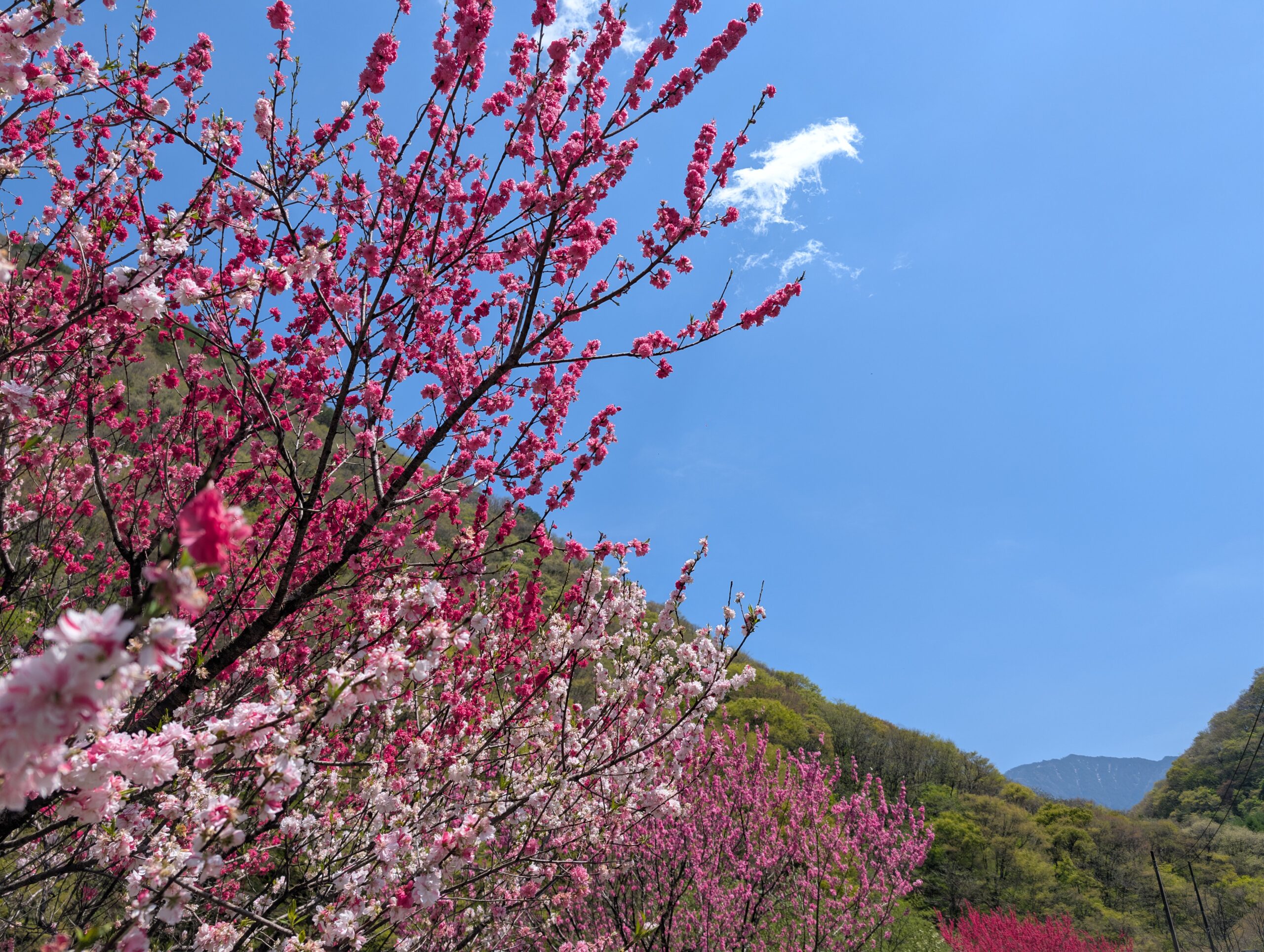
34. to 37. Narai to Fukushima
The hike of the day had two main themes: the Torii pass between Narai-juku and Yabuhara-juku; and the Kiso river. The first leg for the day was “just” the hike from the Narai river valley across the ridge and down… …more
-
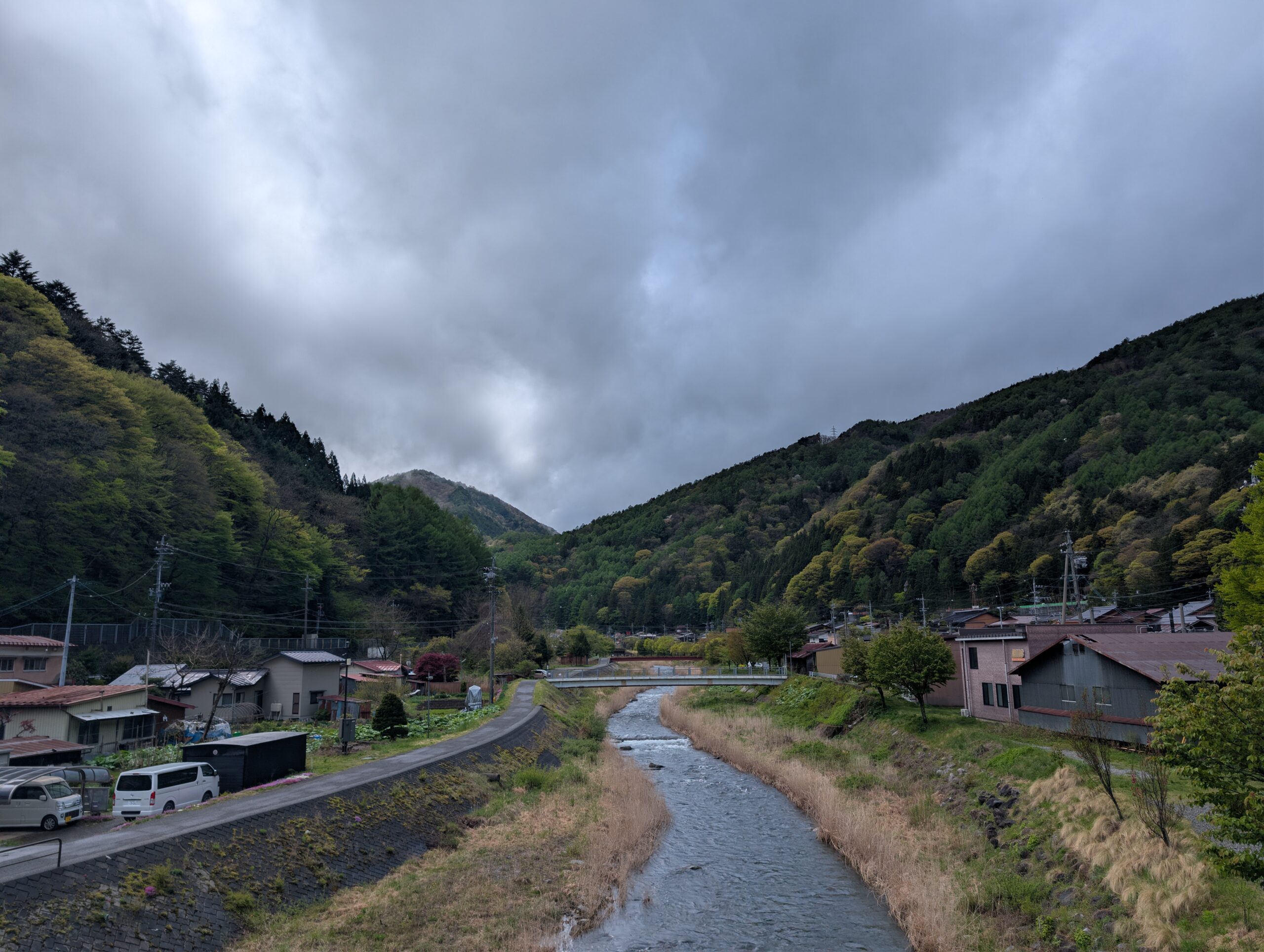
32. 33. and 34. Seba to Narai
The path is mostly along the Narai river valley this day. Heading out from Seba-juku southwards deeper into the valley where the traditional Kisoji starts would have been a milestone in itself. Unfortunately it poured with rain. So while I… …more
-
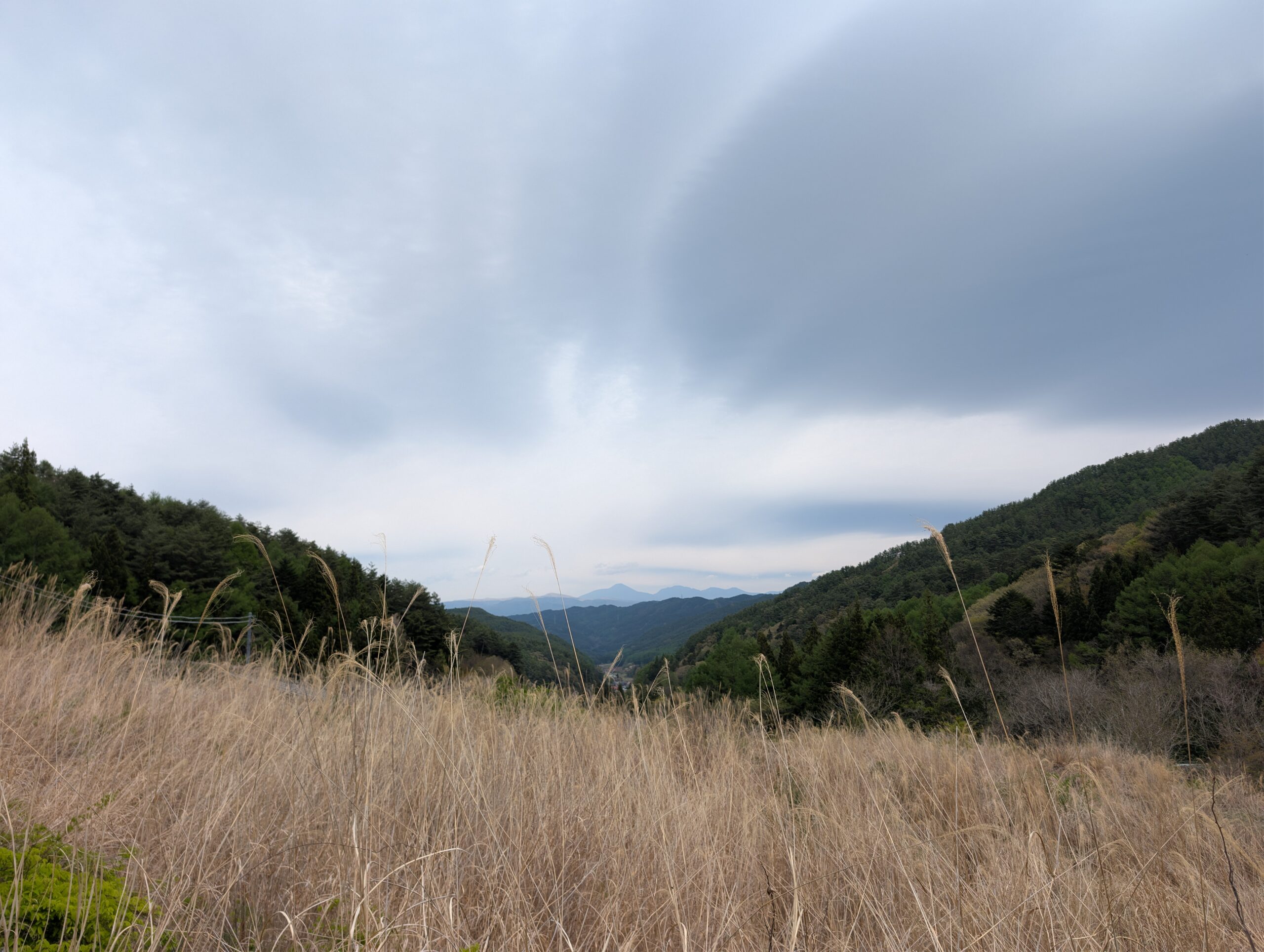
Interlude: The Early Nakasendō, 初期中山道
This day the hike didn’t go along the classical Nakasendō from Shimosuwa towards Shiojiri, but followed what is known as the Early Nakasendō. At the very start of the Tokugawa regime after the battles of Sekigahara in 1600, they started… …more